

Augustine Camino
Southeast England & London


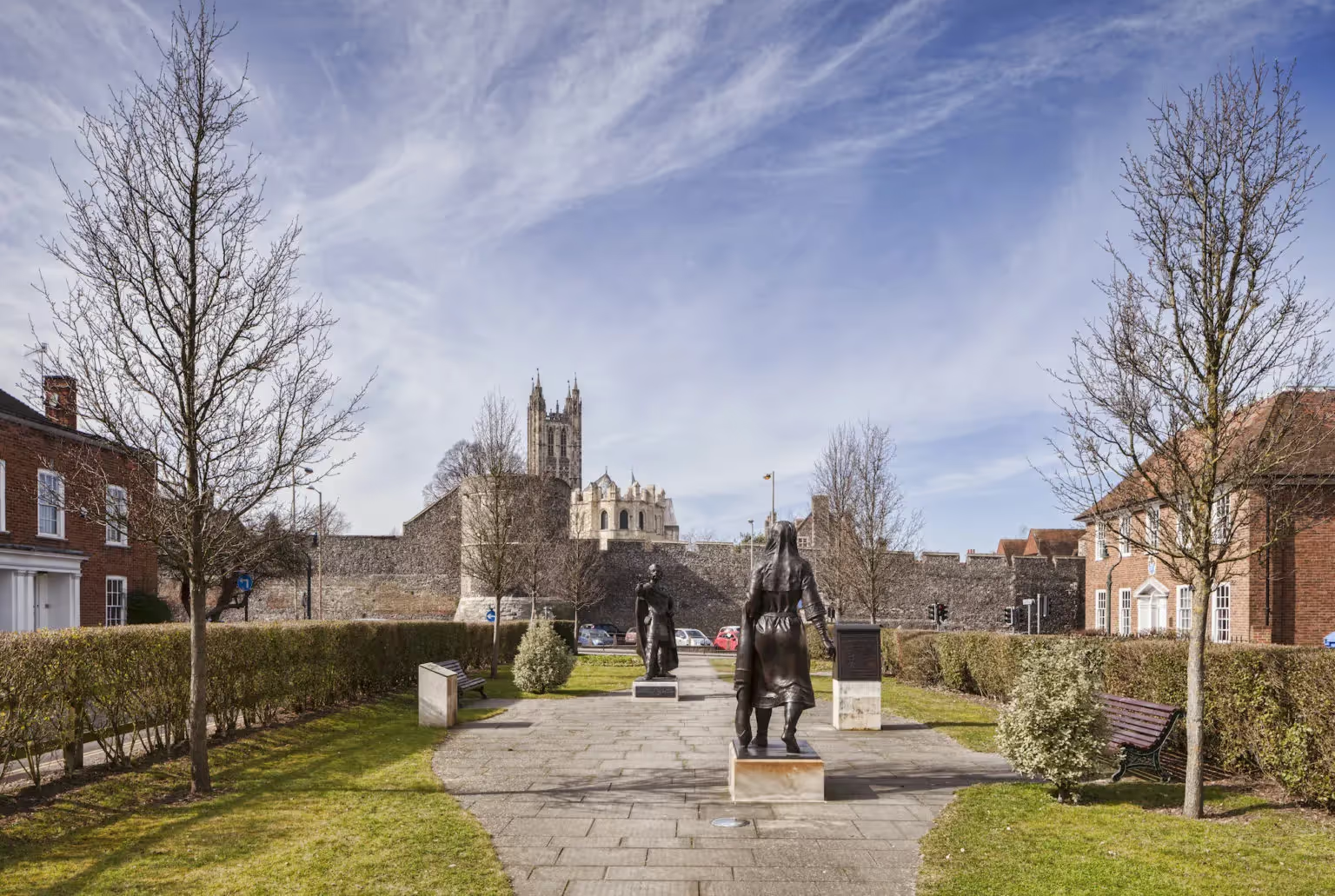


Why walk the Augustine Camino
Walk to the place where English Christianity began. The Augustine Camino runs 68 miles across Kent, from Rochester Cathedral over the North Downs and through orchards and hop country to Canterbury. Then it crosses the Stour marshes to Pegwell Bay, where St Augustine landed in 597, and ends at his shrine in Ramsgate.
On the way you pass two cathedrals, two living monasteries, the national shrine of St Jude, the resting place of St Thomas More's head, the oldest church in England still in use, and village churches painted in the Middle Ages. Days are gentle, about 10 miles each, with no big hills.
The Augustine Camino is a recognised feeder route to the Camino de Santiago, so the stamps you collect here can count towards a Compostela. It welcomes everyone, of any faith or none.
- Begin at Rochester Cathedral, founded in 604, England's second-oldest cathedral
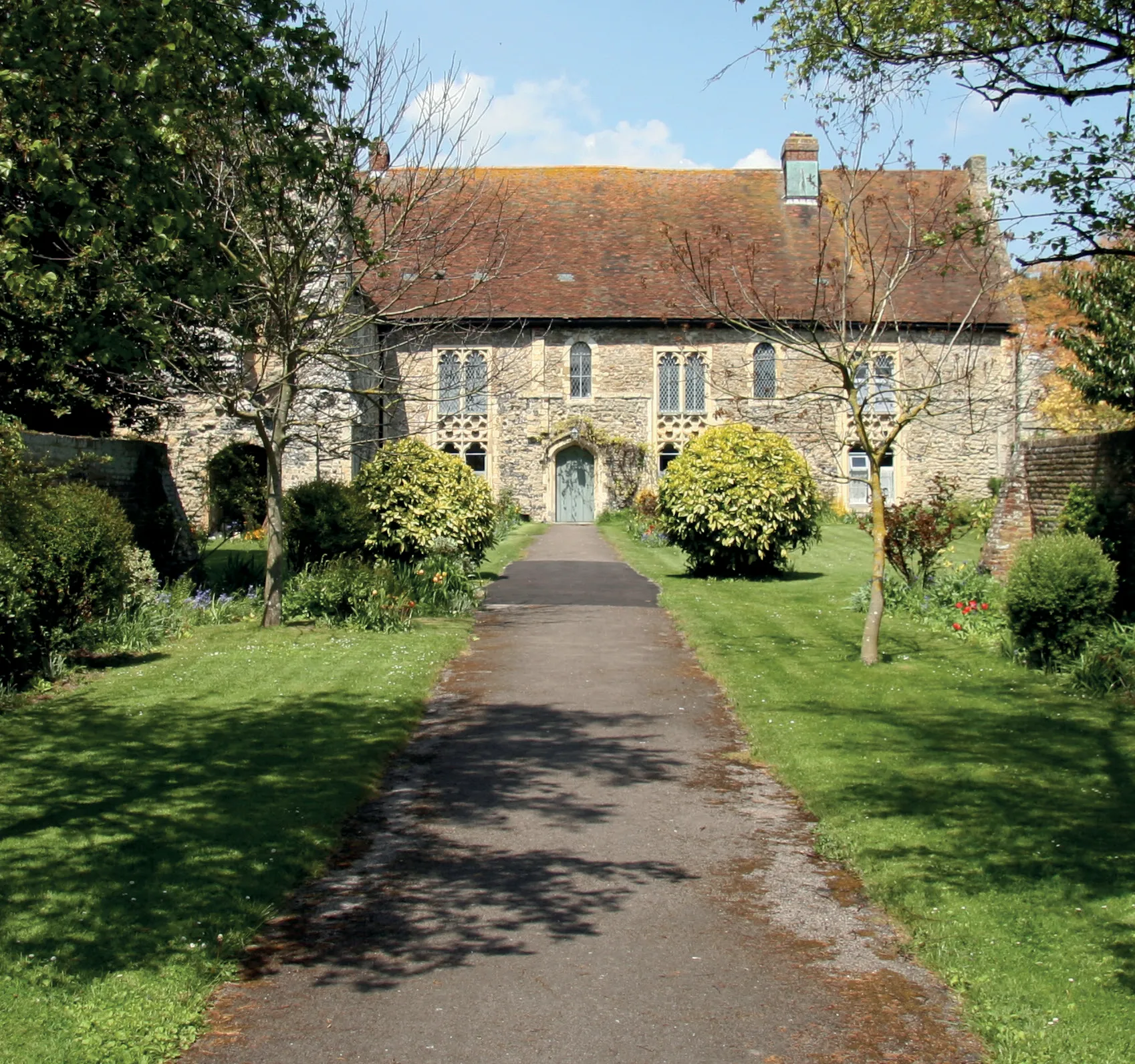
- Stay at Aylesford Priory, where Carmelite friars settled in 1242 and returned in 1949
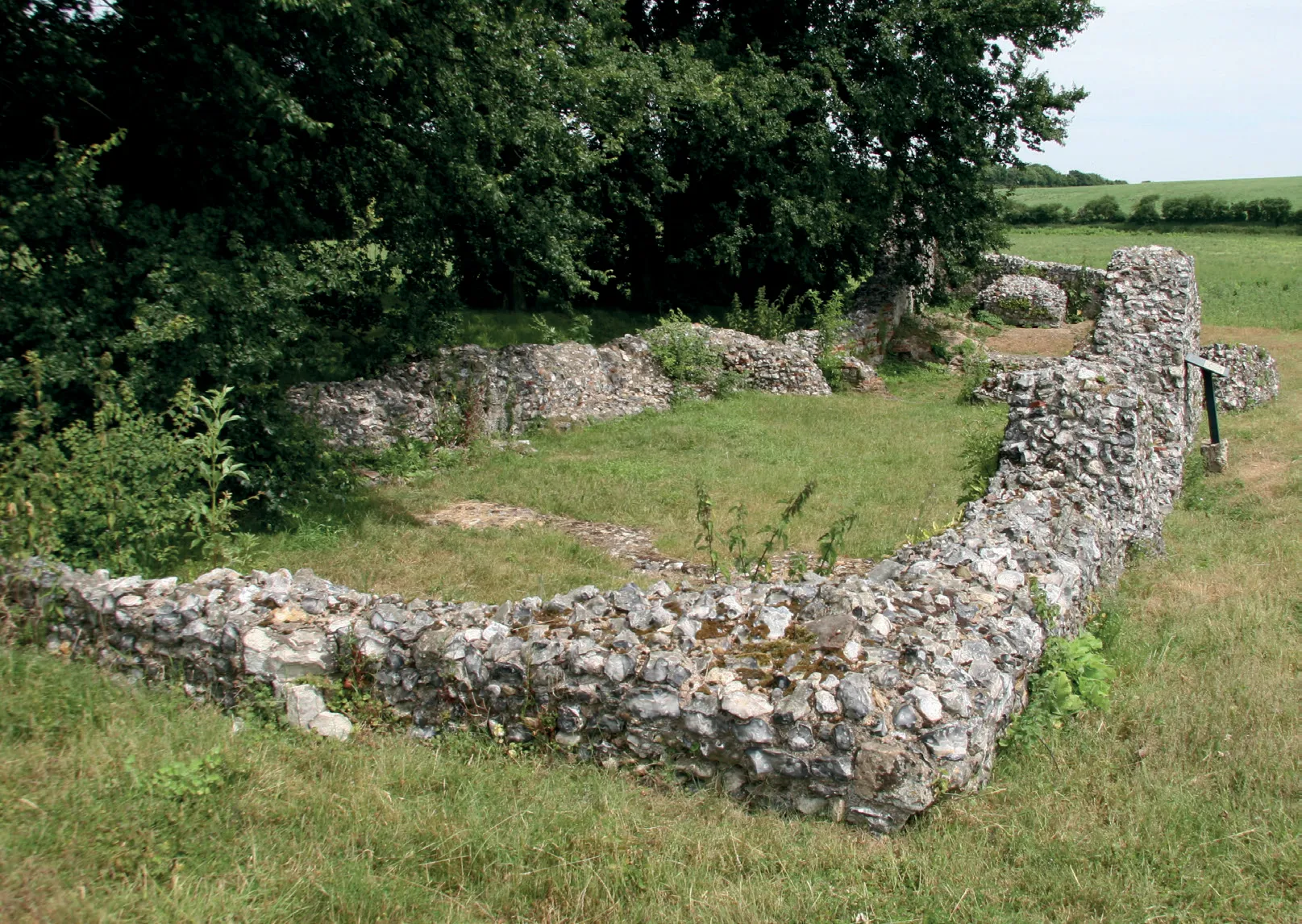
- Walk the crest of the North Downs and pass the ruins of Boxley Abbey
- Find a 13th-century wall painting at Doddington thought to show St Francis
- Pray at the shrine of St Jude in Faversham
- Enter Canterbury by the old pilgrim road through Harbledown
- Visit St Martin's, where Queen Bertha worshipped before Augustine arrived
- Cross the marshes to Minster Abbey, where Benedictine nuns keep the memory of St Mildred
- Finish at Pugin's church of St Augustine, the saint's national shrine
Route at a glance
- Distance: about 66 miles (106 km), one way
- Time: 7 days, or 8 at a gentler pace
- Start: Rochester Cathedral, five minutes' walk from Rochester station
- Finish: Shrine of St Augustine, Ramsgate, near Ramsgate station
- Climbing: under 1,000 m (3,000 ft) in total; highest point about 190 m on the North Downs
- Difficulty: moderate. About 10 miles a day on field paths, woodland tracks and lanes, with stiles but no large hills
- Waymarking: small Augustine Camino stickers along most of the route. Carry the GPX or guidebook too
- Where you sleep: monasteries, a church floor, a farm hostel, old inns and B&Bs
- Guidebook and passport: the Guidebook to the Augustine Camino (48 pages) includes your pilgrim passport; £10 plus postage
- Compostela: a recognised feeder route to Santiago (see Practical information)
- Food: a pub on the route every day except Day 5
- Best time: April to October
Suggested 7-day itinerary
- Day 1: Rochester Cathedral – North Downs – Aylesford Priory, 8.5 miles. Sleep at Aylesford Priory
- Day 2: Aylesford – Boxley – Detling – Thurnham, 8 miles. Sleep at St Mary's, Thurnham, or the Black Horse Inn
- Day 3: Thurnham – Hucking – Bredgar – Milstead – Doddington, 10 miles. Sleep at Palace Farm hostel or Doddington church
- Day 4: Doddington – Newnham – Ospringe – Faversham, 7.5 miles. Sleep in Faversham
- Day 5: Faversham – Boughton – Blean Woods – Harbledown – Canterbury, 11.5 miles. Sleep in Canterbury
- Day 6: Canterbury – Fordwich – Littlebourne – Wickhambreaux – Stodmarsh – Grove Ferry, 10.5 miles. Sleep near Stodmarsh or Grove Ferry
- Day 7: Grove Ferry – Pluck's Gutter – Minster – Pegwell Bay – Ramsgate, 12 miles. Sleep at Minster Abbey or St Augustine's, Ramsgate
Shorter pilgrimages
- A day from Rochester: our Rochester Cathedral pilgrimage in a day, 8 miles
- Two days to Canterbury: Doddington to Canterbury, past St Jude's shrine and through Blean Woods
- Two days to the sea: Canterbury to Ramsgate, following Augustine's story back to where it began
The story of the Way
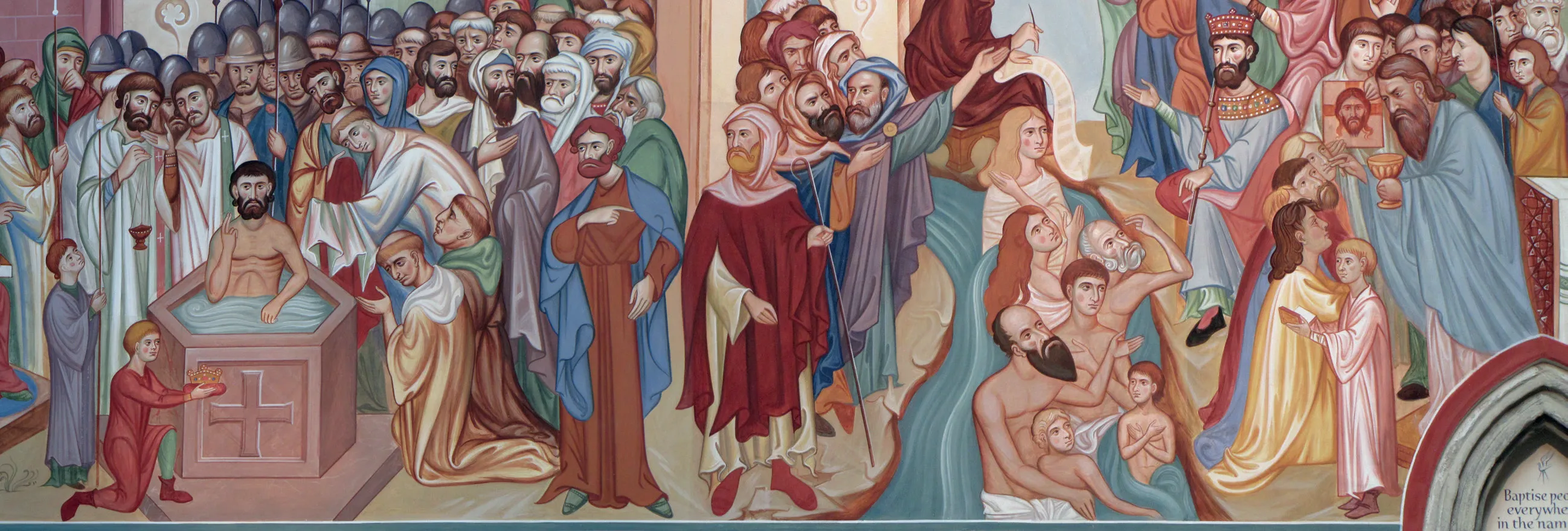
A mission from Rome. In 595 Pope Gregory the Great chose Augustine, prior of St Andrew's monastery in Rome, to lead a mission to the English. In 597 Augustine and his monks landed on the Isle of Thanet, then a true island across the Wantsum Channel. Tradition places the landing at Ebbsfleet, by Pegwell Bay, and says Augustine first met and preached to King Ethelbert of Kent there.
A queen already praying. Ethelbert's wife, the Frankish princess Bertha, was already a Christian. She worshipped with her chaplain at a small church outside Canterbury's walls, which Augustine's monks also used: St Martin's, still in use today. Ethelbert was baptised, probably in 597, and gave Augustine land for a cathedral and a monastery. Augustine died in 604 and was buried at the monastery that became St Augustine's Abbey.
Kent's firsts. In 604 Justus, one of the monks Gregory sent to help Augustine, became the first Bishop of Rochester, founding England's second cathedral. Ethelbert's laws, the earliest written in English, survive in the Textus Roffensis, a 12th-century book kept at Rochester. Kent became the cradle of English Christianity, and its abbeys and minsters followed: at Minster-in-Thanet, St Mildred became abbess around 700 and is still Thanet's patron saint.
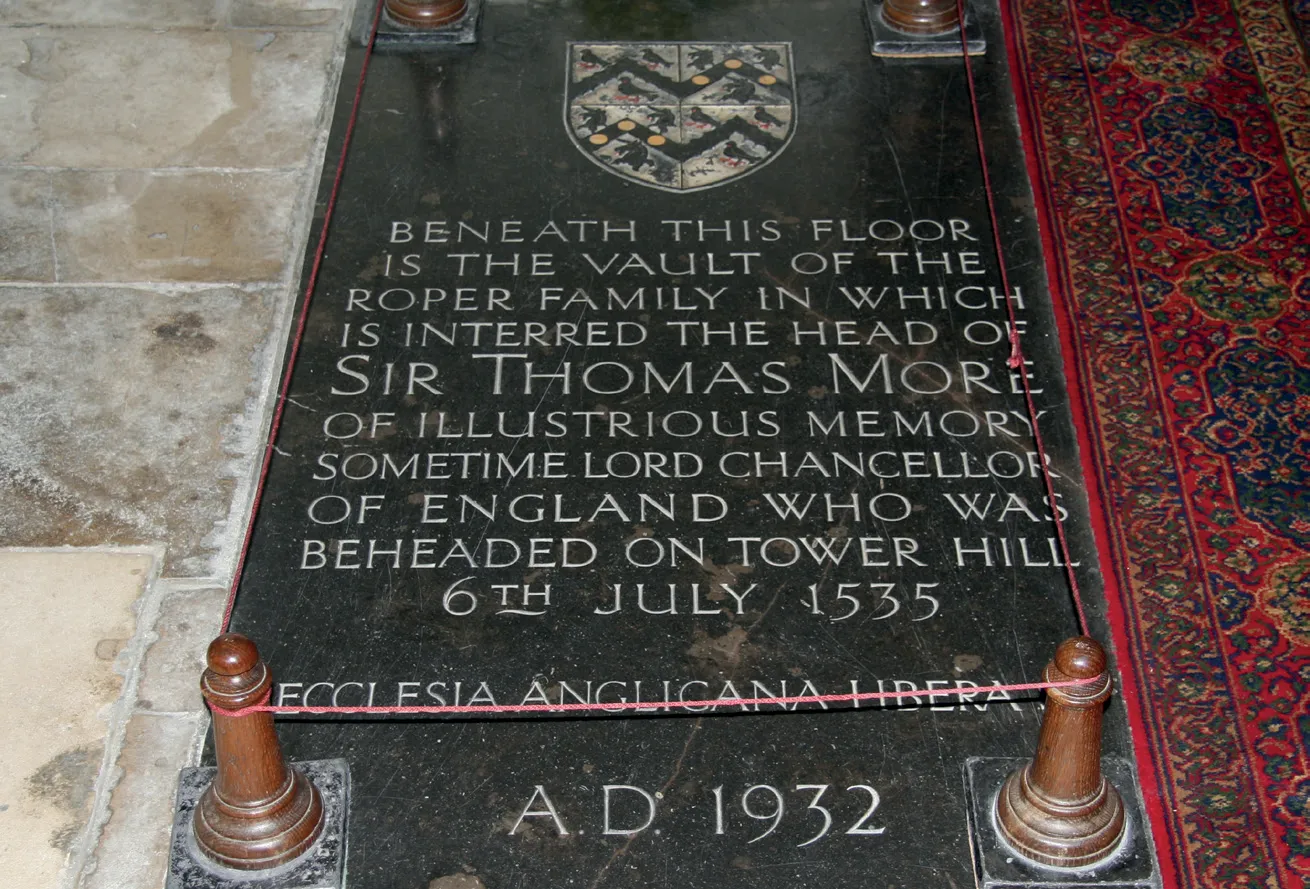
Saints and shrines. After Thomas Becket was murdered in Canterbury Cathedral in 1170, Canterbury became England's greatest place of pilgrimage. Carmelite friars arrived at Aylesford in 1242. The head of St Thomas More, executed in 1535 and rescued by his daughter Margaret Roper, came to rest in her family's vault at St Dunstan's, Canterbury. At the Reformation, Augustine's own shrine was destroyed and his relics lost.
The shrine returns. In the 1840s the architect Augustus Pugin built the church of St Augustine next to his home in Ramsgate, within sight of the landing place. He is buried there. In 2012 it became the national shrine of St Augustine, and a recent restoration opened it to more visitors and pilgrims.
A new Camino. Andrew Kelly had the idea for the Augustine Camino in 2015, linking England's first Christian sites in a week's walk from Rochester to Ramsgate. With Paula Kelly he wrote the guidebook, waymarked the route and set up a network of stamping points. In 2021 the Pilgrim Office in Santiago confirmed that its stamps are recognised, making it an official feeder route to the Camino de Santiago.
The route, day by day
Distances follow the Augustine Camino's own stages. Collect at least two dated stamps each day if you want a Compostela.
Day 1: Rochester Cathedral to Aylesford Priory, 8.5 miles
Begin at Rochester Cathedral, then follow the Medway out of the city and climb onto the North Downs. A track along the top gives wide views over the river before you drop down through Eccles to the medieval bridge and the friary at Aylesford.
- Holy places: Rochester Cathedral, with the new shrines of St Paulinus and St Ithamar · the North Downs · Aylesford Priory, the Carmelite friary known as The Friars
- Stamps: Rochester Cathedral welcome desk · the Robin Hood pub · Aylesford Priory reception
- Sleep: Aylesford Priory (book ahead; meals in the refectory)
- Getting there and away: Rochester station is five minutes from the cathedral, with fast trains to London. Aylesford has a station and buses to Rochester and Maidstone
Day 2: Aylesford to Thurnham, 8 miles
Cross Aylesford's old bridge, past the parish church of Sts Peter and Paul, and follow the foot of the Downs by Boxley, whose Cistercian abbey once drew pilgrims to its Rood of Grace. Continue through Detling to Thurnham, below its castle on the Downs.
- Holy places: Sts Peter and Paul, Aylesford · Boxley Abbey ruins and St Mary and All Saints, Boxley · St Martin's, Detling · St Mary's, Thurnham, on the Pilgrims' Way
- Stamps: Tyland Barn (Kent Wildlife Trust) · the King's Arms and church at Boxley · Detling Community Store and church · St Mary's, Thurnham
- Sleep: St Mary's, Thurnham, on the nave floor, or the Black Horse Inn
- Getting there and away: Bearsted station is 1.5 miles from Thurnham
Day 3: Thurnham to Doddington, 10 miles
The deepest country of the Way. Climb into the Kent Downs through Hucking's woods, then follow lanes and field paths by Bredgar and Milstead to Doddington.
- Holy places: St Margaret's, Hucking · St John the Baptist, Bredgar · St Mary and Holy Cross, Milstead, restored by William Butterfield · St Catherine's, Kingsdown, by Edward Pugin
- Stamps: the Black Horse, Thurnham · St Margaret's, Hucking · Bredgar farm shop and church · Milstead and Kingsdown churches · Palace Farm
- Sleep: Palace Farm hostel and campsite, or the floor of Doddington church
- Take care: livestock in some fields, so keep dogs on a lead
- Getting there and away: a taxi from Sittingbourne station
Day 4: Doddington to Faversham, 7.5 miles
A short day through orchards and parkland by Doddington Place and Newnham, to the medieval pilgrim hostel of Maison Dieu at Ospringe and on into the old market town of Faversham.
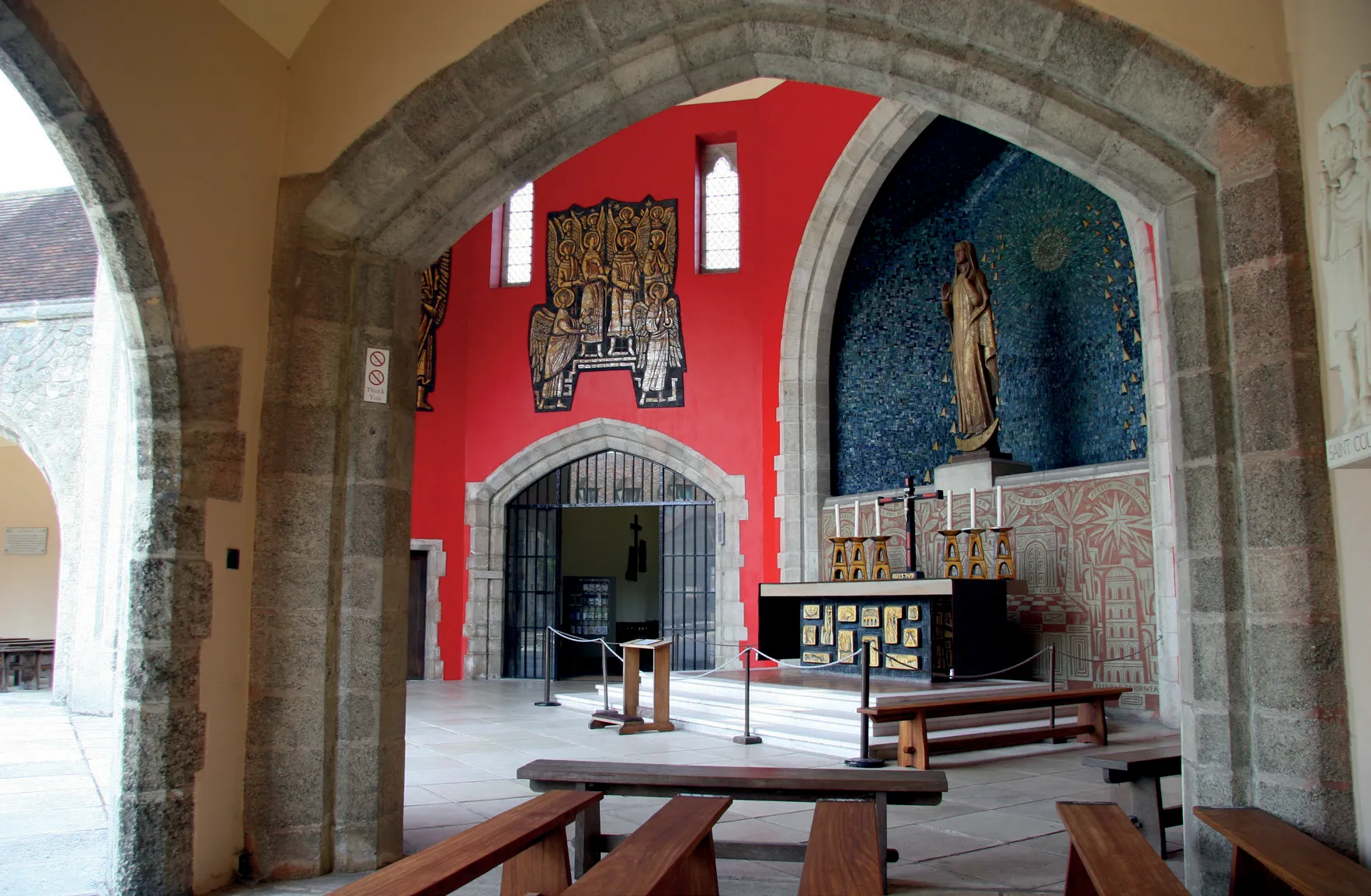
- Holy places: the Beheading of St John the Baptist, Doddington, with 13th-century wall paintings, one thought to show St Francis · Sts Peter and Paul, Newnham · Maison Dieu, Ospringe · the National Shrine of St Jude, Faversham · St Mary of Charity, Faversham, with its altar to Saints Crispin and Crispinian
- Stamps: Doddington and Newnham churches · the George, Newnham · St Augustine's, Painter's Forstal · St Jude's Shrine · St Mary of Charity
- Sleep: in Faversham, including the 14th-century Sun Inn, or at Brenley Farm bunkhouse nearby
- Getting there and away: Faversham station, with fast trains to London
Day 5: Faversham to Canterbury, 11.5 miles
The classic pilgrim approach. Walk by Boughton-under-Blean, named in the Canterbury Tales, through the ancient Blean woods and past Bigbury hillfort to Harbledown, where pilgrims once had their first sight of the cathedral. Enter the city by the Westgate.
- Holy places: Sts Peter and Paul, Boughton-under-Blean · Blean Woods · the Hospital of St Nicholas and St Michael and All Angels, Harbledown · St Dunstan's, Canterbury, resting place of St Thomas More's head · Eastbridge Hospital, a medieval hostel for poor pilgrims · Canterbury Cathedral
- Stamps: Faversham's Sun Inn and Café Guild · Boughton church · the Parched Pilgrim, Chartham Hatch · Harbledown · St Dunstan's · Eastbridge Hospital · Canterbury Cathedral Pilgrim Centre
- Sleep: in Canterbury, including YHA Canterbury and the Cathedral Gate Hotel
- Take care: no pub lunch today, so carry food; the longest gap between toilets, about 7.5 miles, is from Faversham to Harbledown
Day 6: Canterbury to Grove Ferry, 10.5 miles
Leave the city past the ruins of St Augustine's Abbey and the tiny church of St Martin's, then follow the Great Stour to Fordwich, often called England's smallest town. Wind through Littlebourne and Wickhambreaux to the reedbeds of Stodmarsh.
- Holy places: St Thomas of Canterbury, with its relic of Becket · St Augustine's Abbey · St Martin's (open from 11am most days) · St Mary the Virgin, Fordwich, with a carved stone said to come from St Augustine's tomb · St Vincent's, Littlebourne · St Andrew's, Wickhambreaux, with its art nouveau Annunciation window · St Mary's, Stodmarsh
- Stamps: St Thomas's · St Augustine's Abbey · St Martin's · Fordwich church · Ivy Barn farm shop · Littlebourne and Stodmarsh churches
- Sleep: inns and B&Bs near Stodmarsh and Grove Ferry (book ahead), or return to Canterbury by bus
- Getting there and away: buses 8, 8A and 8X from Canterbury to Upstreet, five minutes from Grove Ferry
Day 7: Grove Ferry to Ramsgate, 12 miles
Cross the flat Stour marshes, once the Wantsum Channel, by West Stourmouth and Pluck's Gutter onto the Isle of Thanet. At Minster, visit the abbey and the great parish church, then walk to St Augustine's Cross and along Pegwell Bay to finish at Pugin's church in Ramsgate.
- Holy places: All Saints, West Stourmouth · St Mary the Virgin, Minster, the "Cathedral of the Marshes" · Minster Abbey · St Augustine's Cross · Pegwell Bay · Pugin's house, The Grange · the Shrine of St Augustine, Ramsgate
- Stamps: the Red Lion, Stodmarsh · Grove Ferry Inn · West Stourmouth church · the Dog and Duck, Pluck's Gutter · Minster church and abbey · St Augustine's, Ramsgate
- Sleep: Minster Abbey's guest house, or the retreat centre at St Augustine's, Ramsgate
- Getting there and away: Ramsgate station, with fast trains to London via Canterbury
Holy places along the Way
This Way is rich in shrines and saints, and in hills, woods and water too. This list follows the walking order.
Cathedrals, monasteries and shrines
- Rochester Cathedral: founded in 604, with shrines of St Paulinus and St Ithamar (restored in 2023), the memory of St William of Perth, and Ethelbert's laws in the Textus Roffensis. More about Rochester Cathedral
- Aylesford Priory (The Friars): Carmelite friary with the relics of St Simon Stock, open to visitors every day. More about Aylesford Priory
- Boxley Abbey: ruins of a Cistercian abbey, once famous for its Rood of Grace
- Maison Dieu, Ospringe: a medieval hostel for pilgrims and travellers on the road to Canterbury
- National Shrine of St Jude, Faversham: Carmelite shrine chapel opened in 1955, with a relic of the apostle. More about the shrine
- Hospital of St Nicholas, Harbledown: a medieval hospital on the pilgrim road into Canterbury
- Eastbridge Hospital, Canterbury: a medieval hostel for poor pilgrims
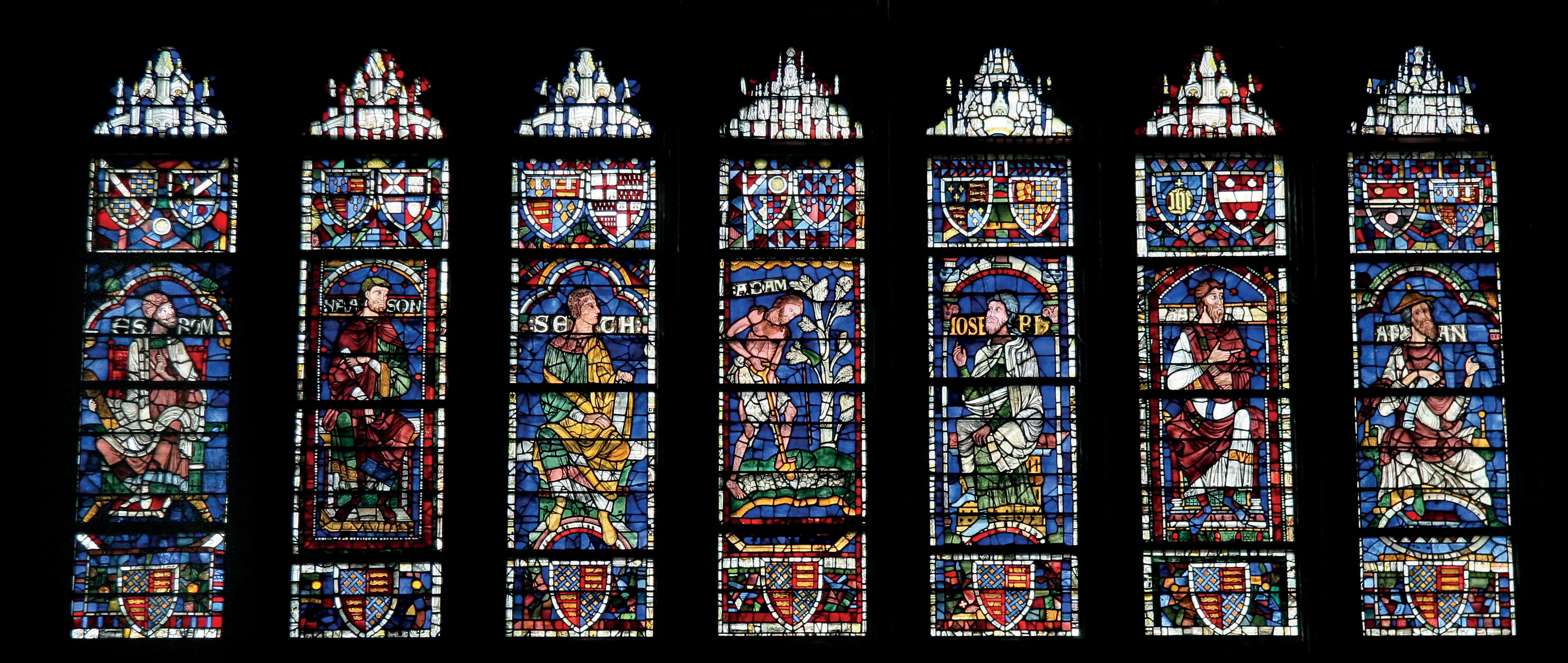
- Canterbury Cathedral: mother church of the Anglican Communion, where Thomas Becket was martyred in 1170
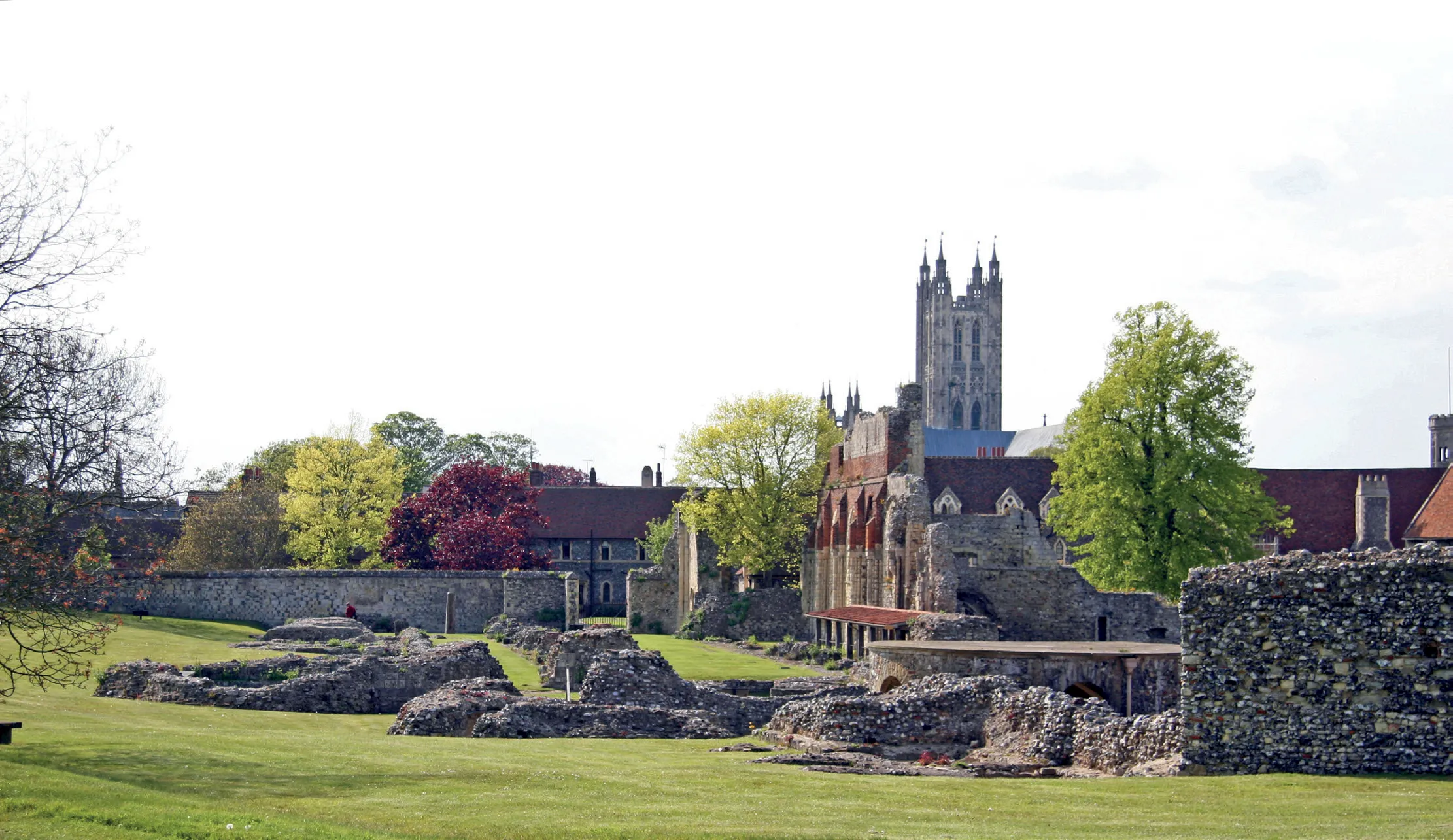
- St Augustine's Abbey, Canterbury: ruins of Augustine's monastery and burial place, part of a World Heritage Site with the cathedral and St Martin's
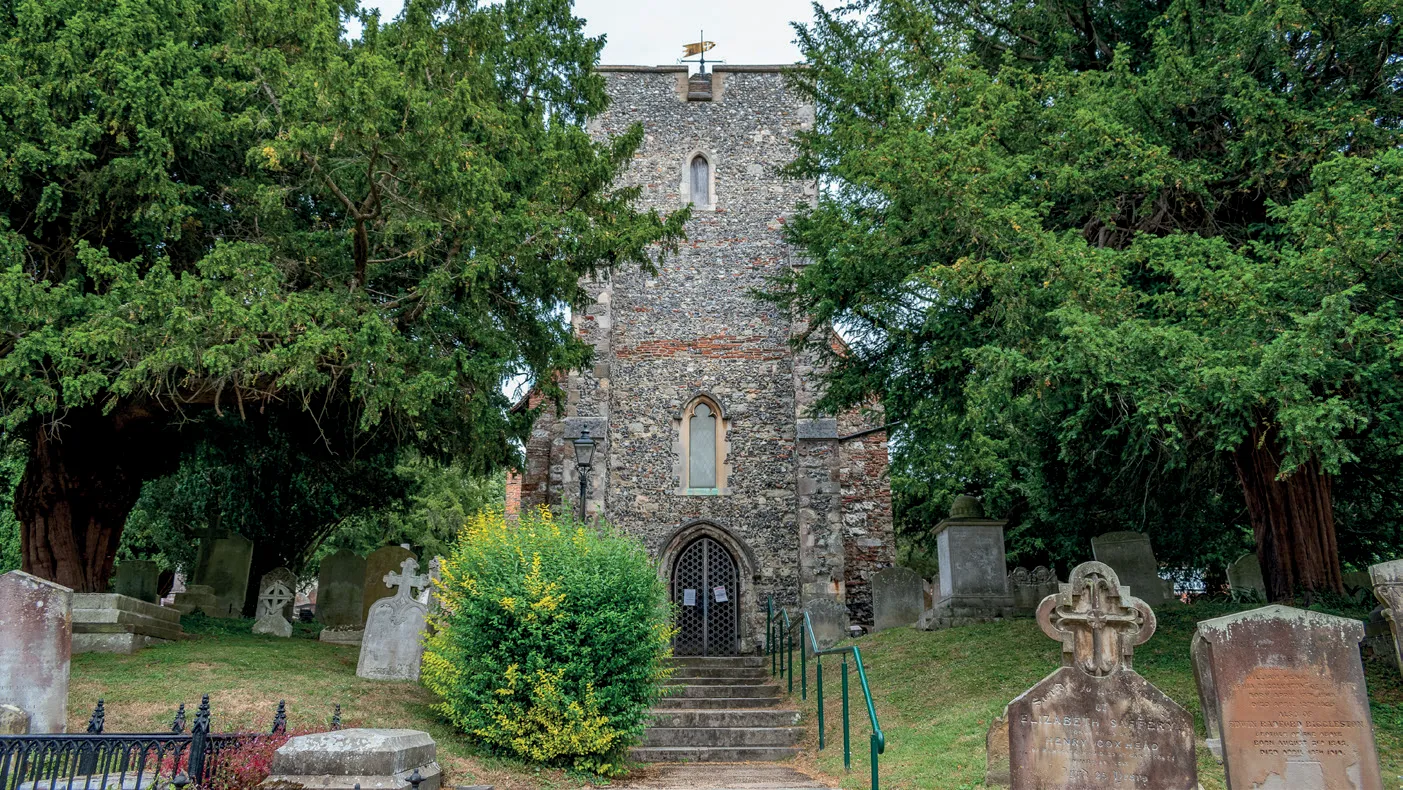
- St Martin's, Canterbury: the oldest church in England still in use, where Queen Bertha prayed. More about St Martin's
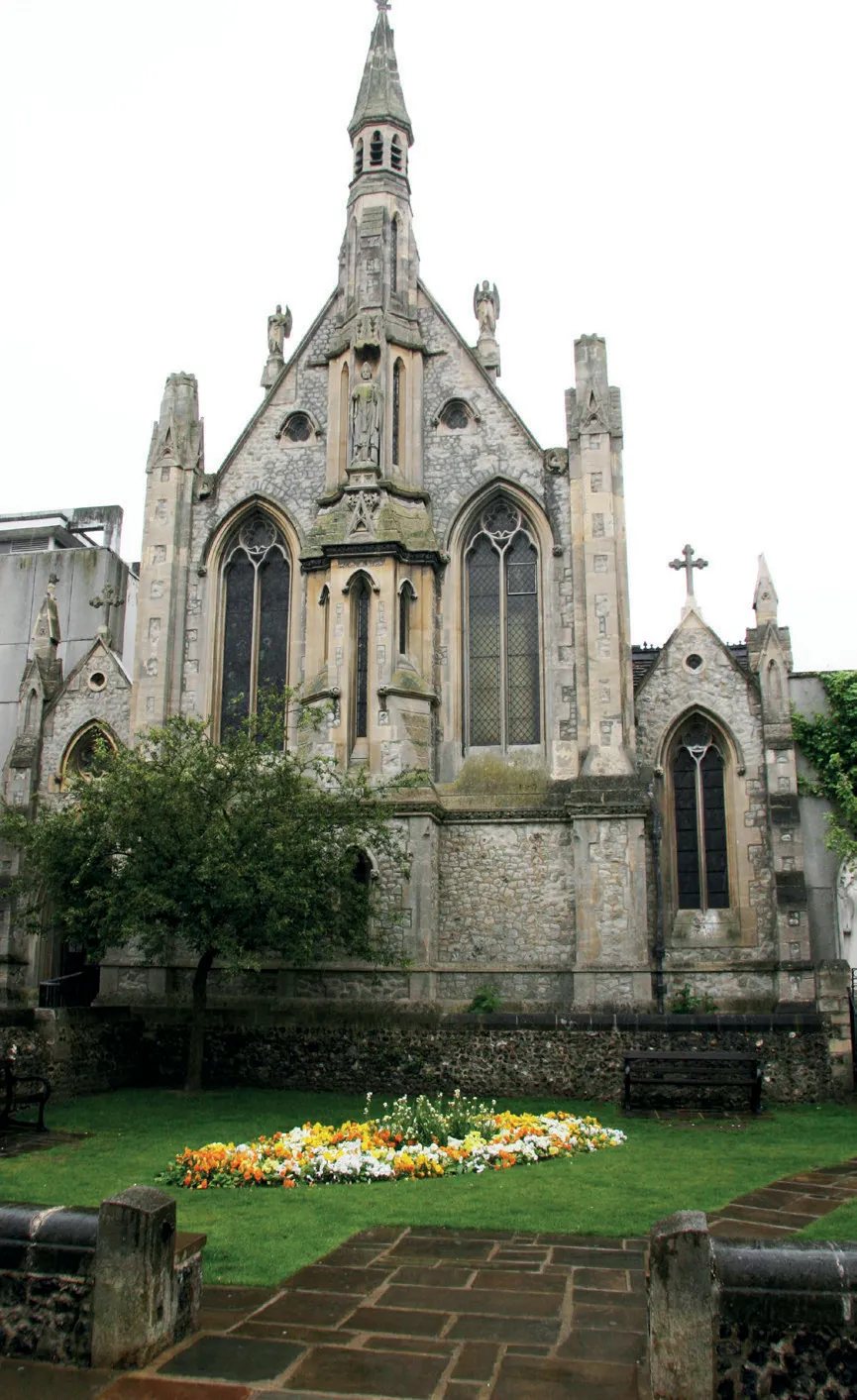
- St Dunstan's, Canterbury: St Thomas More's head lies in the Roper family vault. More about St Dunstan's
- St Thomas of Canterbury: Catholic church with a relic of Becket
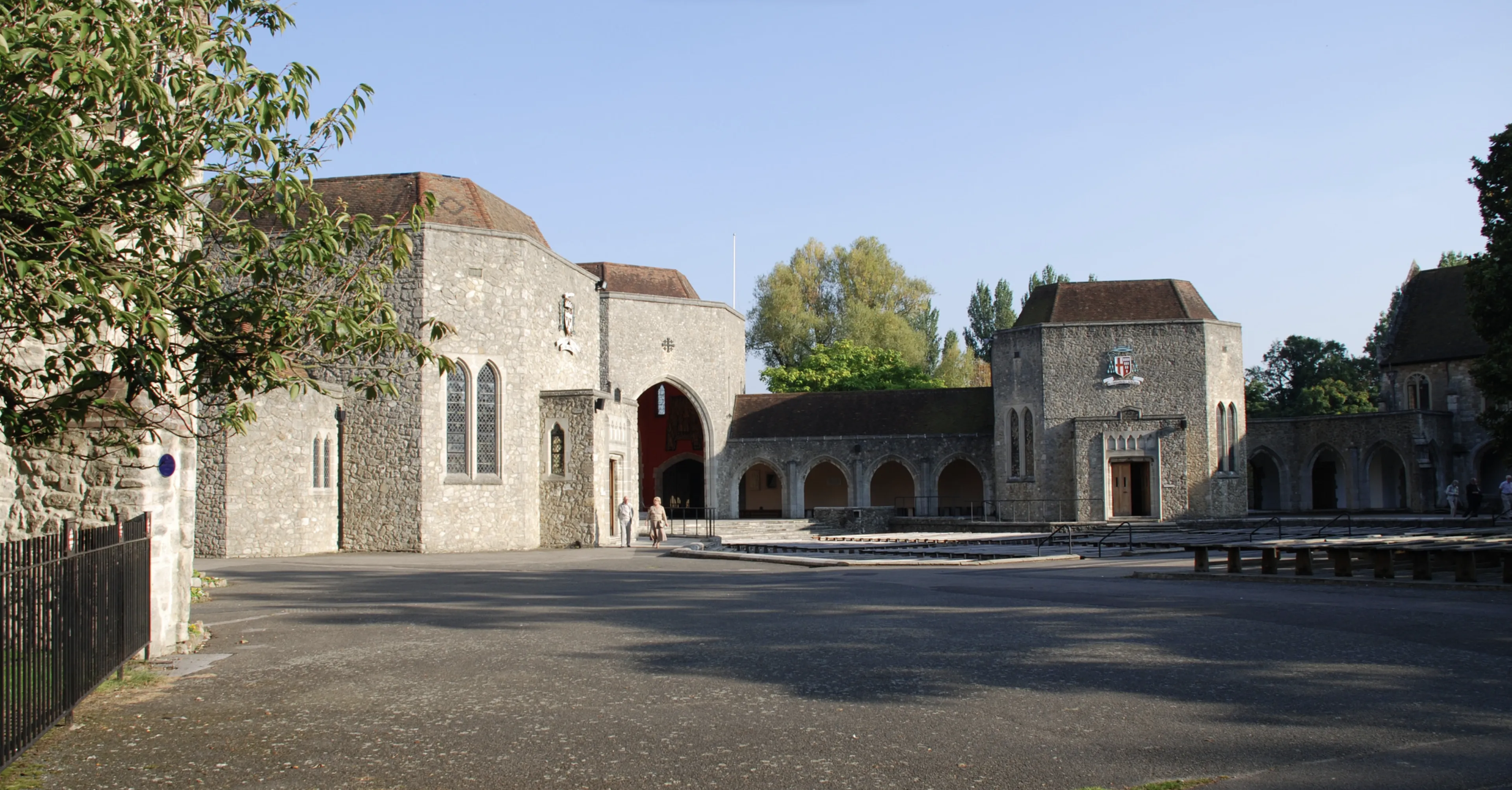
- Minster Abbey: Benedictine nuns on one of England's oldest monastic sites, home of St Mildred's memory. More about Minster Abbey
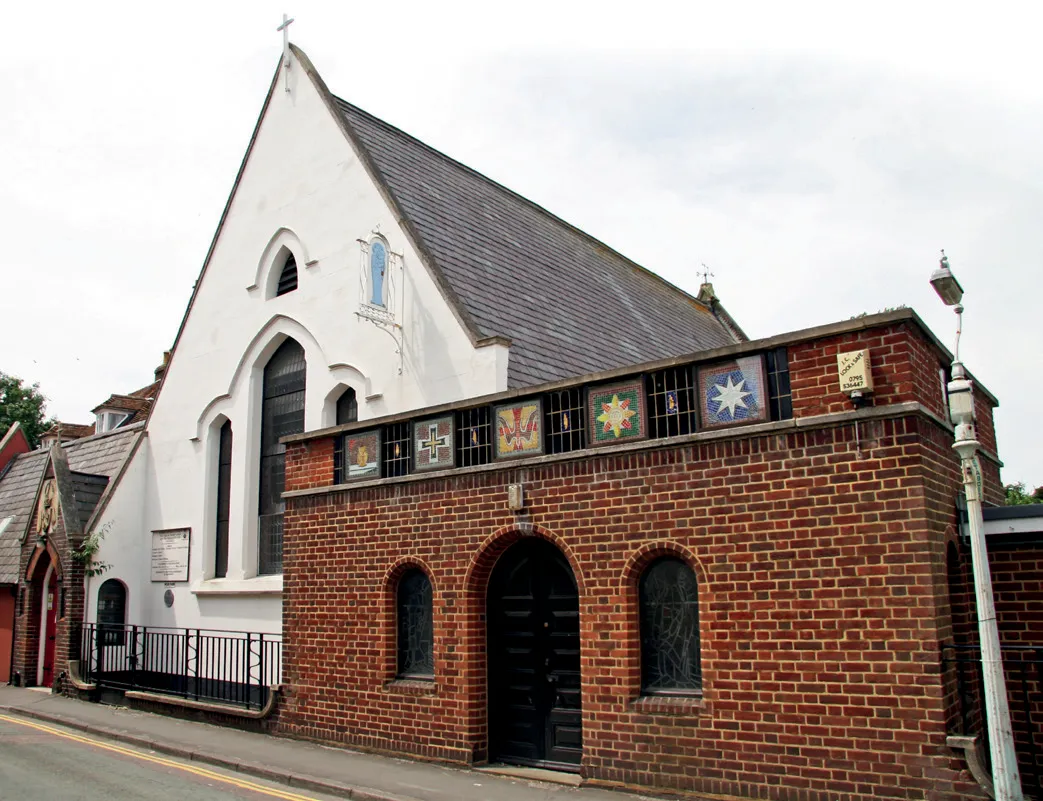
- Shrine of St Augustine, Ramsgate: Pugin's church, with relics of St Augustine and St Gregory the Great. More about the shrine and cross
Village churches
- Sts Peter and Paul, Aylesford: sharing its dedication with Augustine's first abbey in Canterbury
- St Mary and All Saints, Boxley
- St Martin's, Detling
- St Mary's, Thurnham (night sanctuary): an ancient church on the Pilgrims' Way. More about Thurnham
- St Margaret's, Hucking
- St John the Baptist, Bredgar
- St Mary and Holy Cross, Milstead
- St Catherine's, Kingsdown: by Edward Pugin, son of Augustus
- The Beheading of St John the Baptist, Doddington (church floor for pilgrims): 13th-century wall paintings
- Sts Peter and Paul, Newnham
- St Mary of Charity, Faversham: altar to Saints Crispin and Crispinian; said to hold the remains of King Stephen
- Sts Peter and Paul, Boughton-under-Blean
- St Michael and All Angels, Harbledown
- St Mary the Virgin, Fordwich: carved stone said to come from St Augustine's tomb; you can also sleep here by booking with the Churches Conservation Trust
- St Vincent's, Littlebourne: Victorian glass by Nathaniel Westlake
- St Andrew's, Wickhambreaux: art nouveau Annunciation window
- St Mary's, Stodmarsh
- All Saints, West Stourmouth
- St Mary the Virgin, Minster: the "Cathedral of the Marshes"
Crosses and ancient places
- St Augustine's Cross, Ebbsfleet: a carved cross of 1884, cared for by English Heritage, marking where Augustine is said to have met Ethelbert
- Bigbury hillfort: an Iron Age fort in the woods above Harbledown
- Stone Chapel, near Faversham: the ruins of a church built into a Roman building
- Thurnham Castle: a ruined castle on the Downs above Thurnham
Hills, woods and water
- The North Downs: the chalk ridge you walk on Day 1, with views over the Medway
- The Kent Downs around Hucking: woods and quiet valleys
- Blean Woods: a great ancient woodland, crossed on the way to Canterbury
- The River Medway, the Great Stour and the Stodmarsh reedbeds: a national nature reserve full of birds
- The Wantsum marshes: the old channel that once made Thanet an island
- Pegwell Bay: the shore of Augustine's landing, with a replica Viking ship
Worth a detour
Kit's Coty House, a Neolithic tomb on the Downs above Aylesford · Richborough Roman Fort, three miles from St Augustine's Cross · Reculver's twin towers, on the north Kent coast
Pilgrim practices to try on this Way
A pilgrimage is a walk with purpose, made on your own terms and needing no set beliefs. These practices help turn miles into meaning. Try any that speak to you, and if one does not feel right, do something else instead.
- Set an intention. Dedicate the journey to something you want help with, or to giving thanks. Try it in Rochester Cathedral before your first step
- Ask for a blessing. Pilgrim welcomes can be arranged at Rochester and Canterbury cathedrals, St Martin's and St Augustine's
- Collect your stamps. Gather at least two dated stamps a day in your pilgrim passport. Each one marks a church, pub or shop that welcomes pilgrims
- Carry a contact relic. Bring a small stone or shell from home and touch it to holy things: St Jude's shrine, the Becket relic, St Augustine's Cross. Carry it to Ramsgate
- Walk in silence. Tread quietly through the Hucking woods and Blean Woods
- Walk slowly. Pace matters less than attention
- Circle a church before entering. Walk round it once, then pause in the porch before crossing the threshold
- Light a candle at St Jude's shrine in Faversham, or in any church where candles are offered
- Kneel, or lie down and look up. Kneel at the altar and think about what matters, or lie on the floor of a village church and gaze at its roof
- Look for the old paintings. Sit with the medieval wall paintings at Rochester, Doddington, Faversham, Harbledown and Canterbury, and let one image speak to you
- Sing, or read a poem aloud. Read the General Prologue of the Canterbury Tales as you walk into Canterbury
- Join the prayers of others. Choral Evensong at Rochester or Canterbury, Mass at Aylesford or Ramsgate, or the sisters' prayers at Minster Abbey
- Sleep in sanctuary. Spend a night on the floor of St Mary's, Thurnham, or in the guest rooms of Aylesford Priory or Minster Abbey
- Look at the sky. Lie back on the North Downs above the Medway and let the clouds move through you
- Touch the water. Dip your hand in the Medway, the Great Stour or the sea at Pegwell Bay
- Walk barefoot on the shore of Pegwell Bay, where Augustine stepped ashore
- Take a holy nap in a quiet pew in any church you pass
- Give. Leave a donation, sign the visitors' book, and buy from the farm shops, pubs and cafés that stamp your passport
- Keep the old feasts: St Augustine, 26 May · St Mildred, 13 July · St Thomas Becket, 29 December
- Arrive. Kneel at St Augustine's shrine in Ramsgate, give thanks, and receive your Compostela
- Carry it home. Give yourself time to reflect in the weeks afterwards
Pilgrimage with the British Pilgrimage Trust is open to all. Bring your own beliefs.
A closer look: the Shrine of St Augustine, Ramsgate
The Way ends where English Christianity began: on the Thanet shore, at the church built to honour the man who brought it.
The landing. About two miles before the end, St Augustine's Cross stands near Cliffs End. The second Earl Granville raised it in 1884 to mark the traditional place where Augustine met King Ethelbert in 597. English Heritage cares for it. From here, walk along Pegwell Bay, the shore of the landing, to Ramsgate.
Pugin's ideal church. Augustus Pugin, the architect of the Houses of Parliament's interiors and Big Ben's clock tower, built St Augustine's beside his own house, The Grange. He paid for it himself and called it his ideal church. He is buried inside.
The shrine. Augustine's original shrine in Canterbury was destroyed at the Reformation and his relics were lost. In 2012 St Augustine's in Ramsgate became his national shrine. It holds relics of St Augustine and of St Gregory the Great, the pope who sent him.
Visiting. A recent restoration, helped by the National Lottery Heritage Fund, added a visitor centre telling the story of Augustine and Pugin. Check opening and Mass times on the shrine's website before your last day.
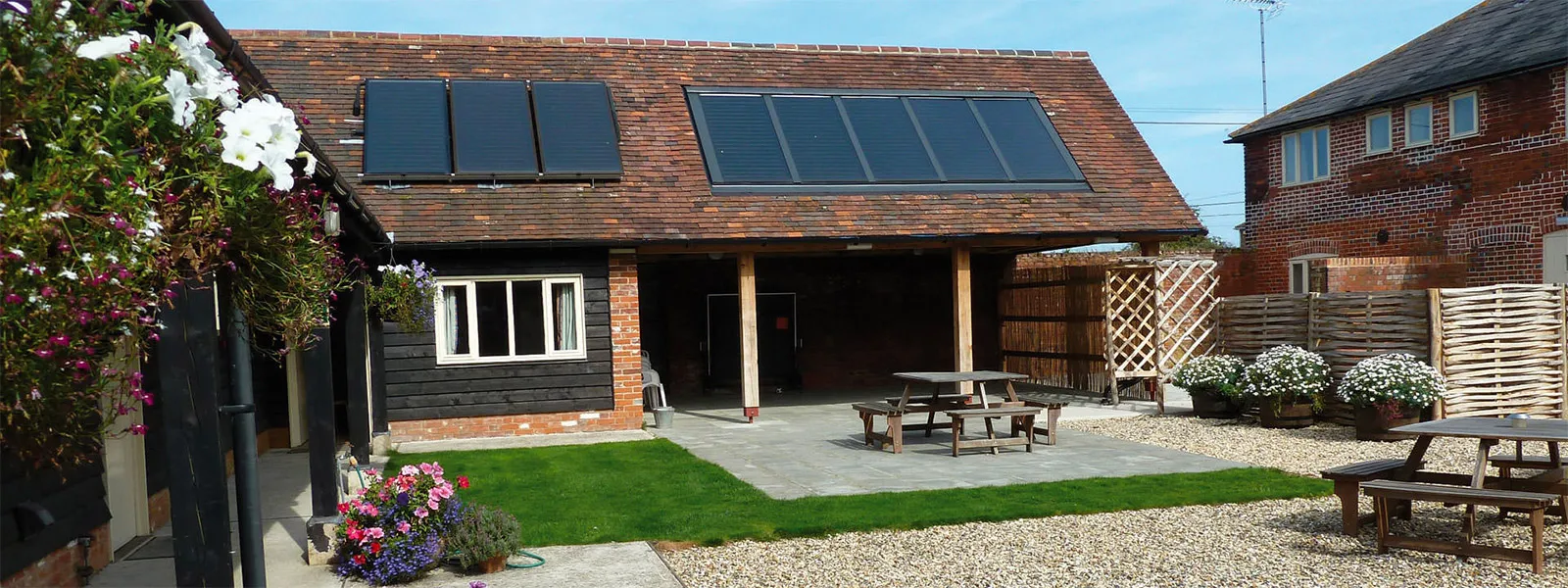
Staying. The Divine Retreat Centre, run by the Vincentian Fathers, offers simple rooms for pilgrims next to the church, in return for a donation.
Your Compostela. Pilgrims who have walked the Way and collected their stamps can receive the Augustine Camino's own Compostela here, for a donation.
A practice for this place. Before you go in, walk back down to the sea. Stand at the water's edge, look out to where Augustine's boat came in, and then walk up to the shrine to finish.
Practical information
Getting a Compostela
The Augustine Camino is an official feeder route to the Camino de Santiago. There are two ways to use your stamps:
- The Augustine Camino Compostela: walk the whole route, collecting at least two dated stamps each day, and receive the Augustine Camino's own Compostela at the Shrine of St Augustine in Ramsgate for a donation.
- On to Santiago: walk at least two stages of the Augustine Camino (at least 26 km), with two dated stamps per stage, walked in order. Then walk the 74 km of the Camino Inglés from A Coruña to Santiago de Compostela. Together they make the 100 km needed for a Compostela from the Pilgrim Office in Santiago.
The Augustine Camino's Compostela page lists every stamping point.
Guidebook and pilgrim passport
The Guidebook to the Augustine Camino by Andrew and Paula Kelly has 48 pages of maps, directions and stories, with your pilgrim passport inside. It costs £10 plus postage from the Augustine Camino website, or you can buy it at Rochester and Canterbury cathedrals, Aylesford Priory, St Jude's Shrine, St Augustine's in Ramsgate and several shops along the route. The passport also brings discounts at Aylesford Priory and free entry to Canterbury Cathedral.
Where to stay
- Monasteries: Aylesford Priory (shared rooms, meals in the refectory), Minster Abbey's guest house, and the Divine Retreat Centre at St Augustine's, Ramsgate
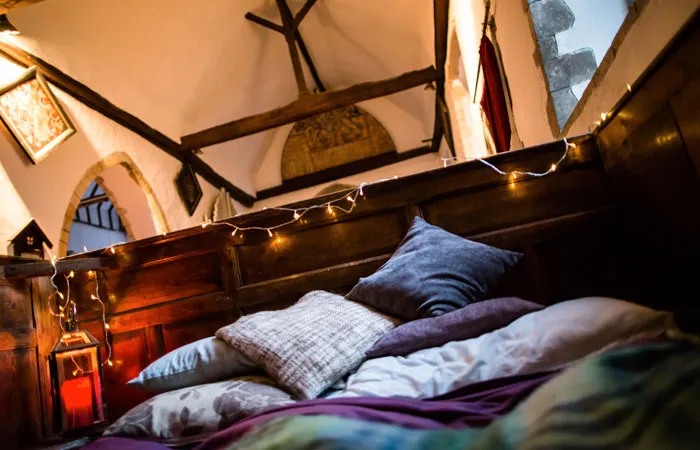
- Church floors: St Mary's, Thurnham, sleeps up to 12 on the nave floor, with a toilet and kitchen (suggested donation £15–20). Doddington church also welcomes pilgrims on its floor. Bring a mat and sleeping bag
- Champing: St Mary the Virgin, Fordwich, can be booked through the Churches Conservation Trust
- Hostels: Palace Farm Hostel, Doddington (from £20, breakfast included), and YHA Canterbury
- Inns and B&Bs: the Black Horse, Thurnham; the Sun Inn, Faversham; the Cathedral Gate Hotel, Canterbury; and guest houses in Faversham, Canterbury and Ramsgate
The Augustine Camino's accommodation page has the full list.
Let someone else plan it
Andrew and Paula Kelly offer self-guided pilgrimages with rooms booked, bags carried, the guidebook and 24-hour support, and lead a guided pilgrimage each year. See booking services and guided pilgrimages.
Getting there and around
- Start: Rochester station, five minutes from the cathedral, with fast trains from London
- Along the way: stations at Aylesford, Bearsted (for Thurnham), Faversham and Canterbury; taxis from Sittingbourne for Doddington; buses from Canterbury to Grove Ferry
- Finish: Ramsgate station, with fast trains to London via Canterbury
Finding your way
Small Augustine Camino stickers mark most of the route, but don't rely on them alone. Download the GPX, or follow the route on OS Maps, Komoot or Outdooractive. The route's creators also send a free GPX on request. Car sat navs and Google Maps won't follow the footpaths. New to this? Read our guide on how to navigate a pilgrimage route.
Food, water and toilets
There is a pub on the route every day except Day 5, from Faversham to Canterbury, so carry lunch that day. Pub toilets are for customers. The longest stretch without toilets, about 7.5 miles, is from Faversham to Harbledown.
Dogs
Most village churches and Canterbury Cathedral welcome dogs, but Rochester Cathedral and Aylesford Priory admit only assistance dogs. Keep dogs on a lead on Days 3 and 5, when you cross fields with livestock.
When to go
April to October is best. Winter walking is possible, but expect deep mud and short days. Walk in late May to arrive near St Augustine's feast on 26 May.
Frequently asked questions
Do I need to be religious?
No. The Way follows Christian history, but everyone is welcome to walk it in their own way.
How long is the Augustine Camino?
About 68 miles (110 km), from Rochester Cathedral to Ramsgate. Most people take seven or eight days.
Can I get a Compostela?
Yes. Walk the whole route for the Augustine Camino's own Compostela, or walk at least two stages here and finish on the Camino Inglés for a Compostela from Santiago.
Is it waymarked?
Mostly, with small stickers. Carry the GPX or guidebook as well.
How fit do I need to be?
You need to walk about 10 miles a day and climb stiles. There are no large hills.
Can I walk just part of it?
Yes. Every stage can be reached by train, bus or a short taxi ride.
Where do I sleep?
In monasteries, a church floor, a farm hostel, old inns and B&Bs. Book ahead, especially for the monasteries.
Can I bring my dog?
Yes, to most places, but not into Rochester Cathedral or Aylesford Priory unless it is an assistance dog.
Further reading and links
- Augustine Camino: the route's official website, with stages, stamps, the guidebook and booking services
- Compostela and pilgrim stamps and the Camino Inglés link
- Augustine Camino FAQs: toilets, dogs, pubs and more, day by day
- Rochester Cathedral pilgrimage in a day: an 8-mile taste of the route
- Our guides to Rochester Cathedral, Aylesford Priory, the Shrine of St Jude, Canterbury's cathedral, abbey and city churches, Minster Abbey and St Augustine's Cross and Shrine
- Britain's Pilgrim Places: our book, which includes Rochester, Faversham, Canterbury, Minster and Ebbsfleet
- Sanctuary Network: how churches across Britain open their doors to pilgrims
- Discover local food: farms and producers near our routes
Route highlights
Location

Nearby Places


Nearby Sanctuaries


Discover holy places, and bring your own beliefs.
Pilgrimage by foot is connected with places and landscape, and how those places make you feel. Read about holy places.
At the British Pilgrimage Trust, we believe a pilgrimage should be made on an individual’s own terms. We are founded on the principle that we can all bring our own beliefs to the journey, accessible and welcoming to all.


Comments
0 Comments
Login or register to join the conversation.
Tom Jones
Lorem ipsum dolor sit amet, consectetur adipiscing elit. Suspendisse varius enim in eros elementum tristique. Duis cursus, mi quis viverra ornare, eros dolor interdum nulla, ut commodo diam libero vitae erat. Aenean faucibus nibh et justo cursus id rutrum lorem imperdiet. Nunc ut sem vitae risus tristique posuere.