

Laurie Lee Way, Slad Valley, Gloucestershire
Southwest England




The Laurie Lee Way – A Slad Valley Pilgrimage
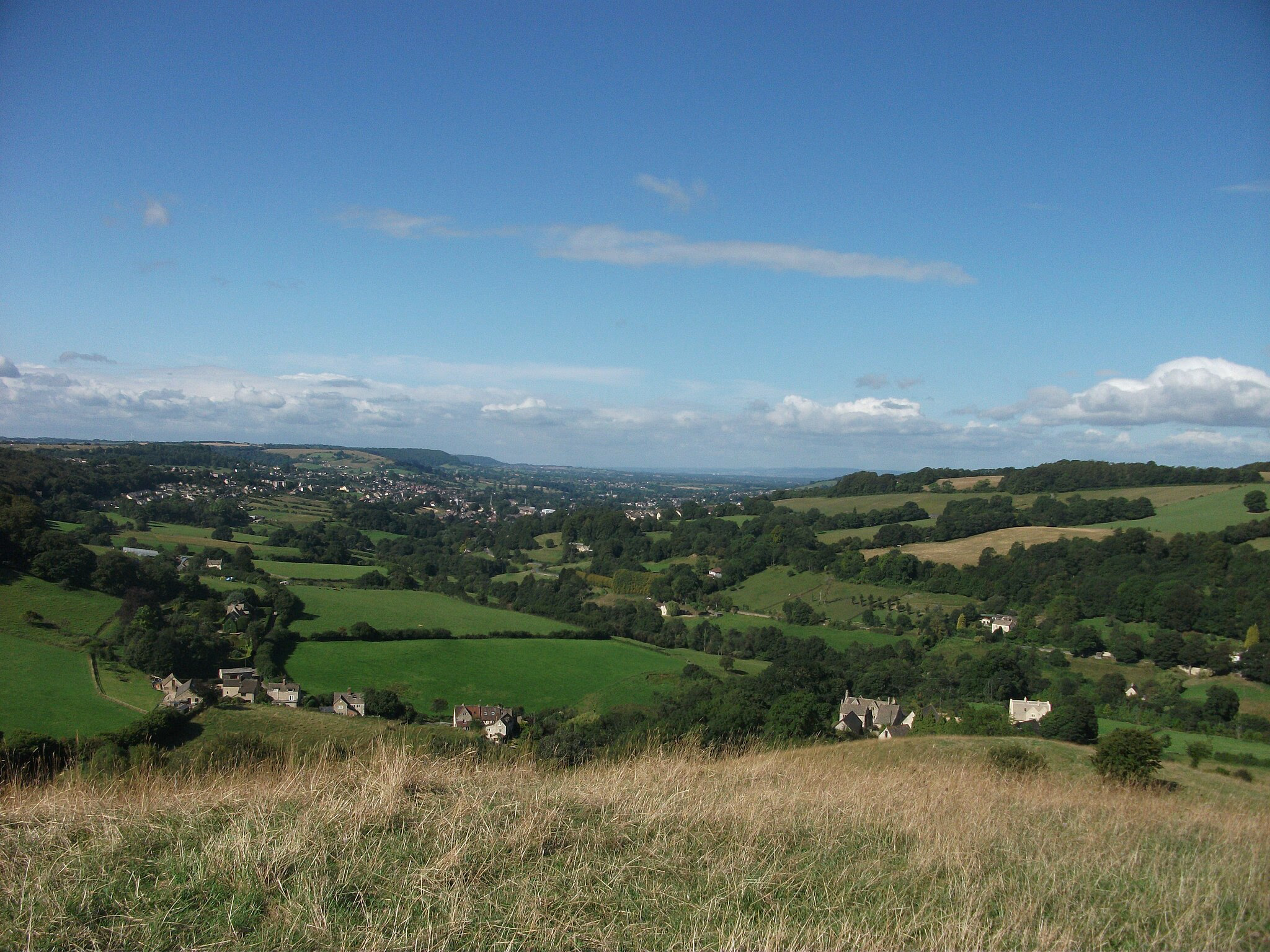
The Slad Valley is one of those places where England seems to have folded itself carefully away. It lies just outside Stroud, but after a few fields the town disappears, and the valley becomes very much its own entity. This was Laurie Lee’s country: the steep Cotswold bowl of woods, brooks, limestone grassland, rough pasture, orchards, farms, lanes and pub talk that became Cider with Rosie. The Laurie Lee Way is only five or six miles, yet it enlarges a small place.
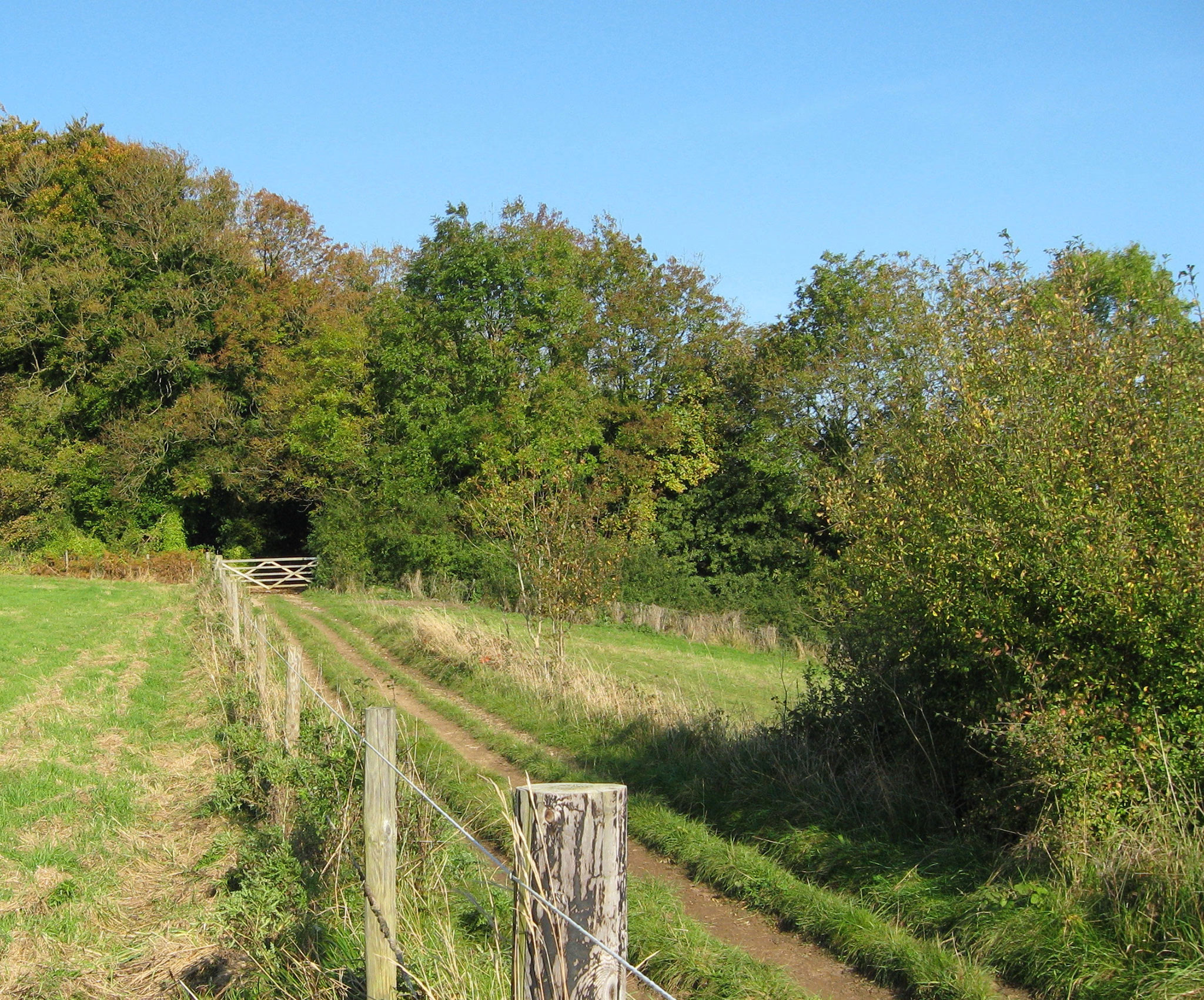
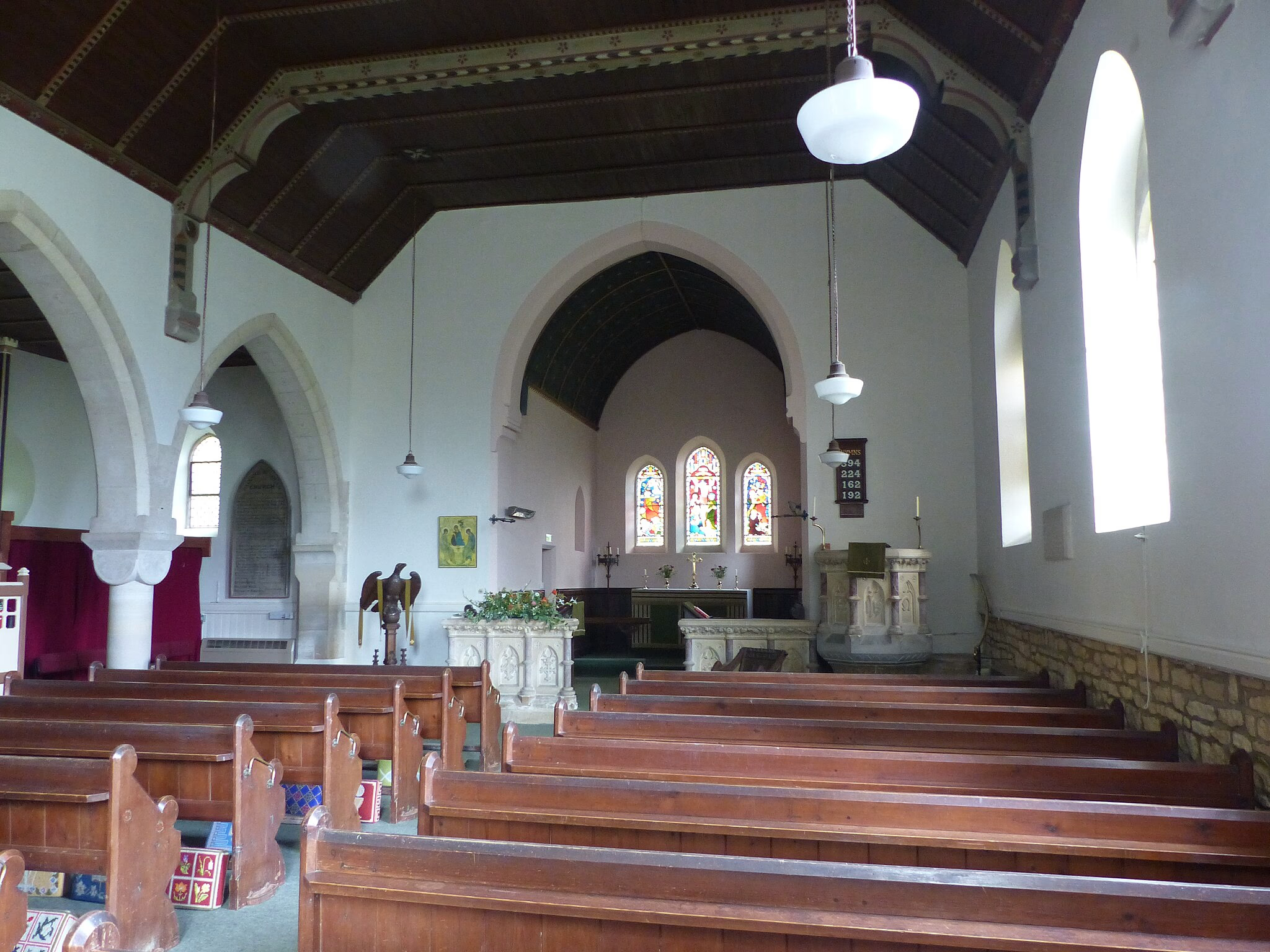
The walk usually begins near Slad or Bulls Cross, and makes a circuit through the valley’s folds: Longridge Wood, Slad Brook, Snows Farm, Catswood, Swift’s Hill, and back towards Slad’s Holy Trinity Church and The Woolpack. The official waymarking is simple enough, though the paths can be muddy and steep depending on the season. This landscape asks for the old pedestrian virtues: attention, acceptance and, of course, idleness.
Lee understood the valley as a container. He wrote of these “narrow, brief valleys” as “seed pods”, and that is still how Slad feels. The ridges hold you in. The fields tilt towards the brook. The woods pour over the hilltops. Every so often the view opens and the village appears across the valley. The spell of the place is not quaintness, but enclosure. You feel what it might mean to have one’s imaginative life formed by a geography small enough to know intimately, and rich enough never to exhaust.
The most pleasing feature of the route is its poetry posts. They are not intrusive interpretation boards, but invitations of the imagination. At intervals, Lee’s poems appear engraved in clear glass, held up to the modern version of the air and light that produced them. A line from April Rise catches the walk’s morning mood: “If ever I saw blessing in the air / I see it now.” Elsewhere, Home From Abroad gives the returning pilgrim his own sensation: “the hayblown airs of home.”
This is the best use of literature outdoors: as a tuning fork to your experience. Lee’s writing sharpens perception. After reading him, a beech tree becomes less generic; a lane carries more ancestry; the ordinary English field, so easily passed through as green wallpaper, regains its particularity. You begin to notice the way light lies on grass, the sudden flare of birdsong, the smell of leaf mould, the old stone walls with their moss and snails, and the Slad brook as a small biography of a valley.
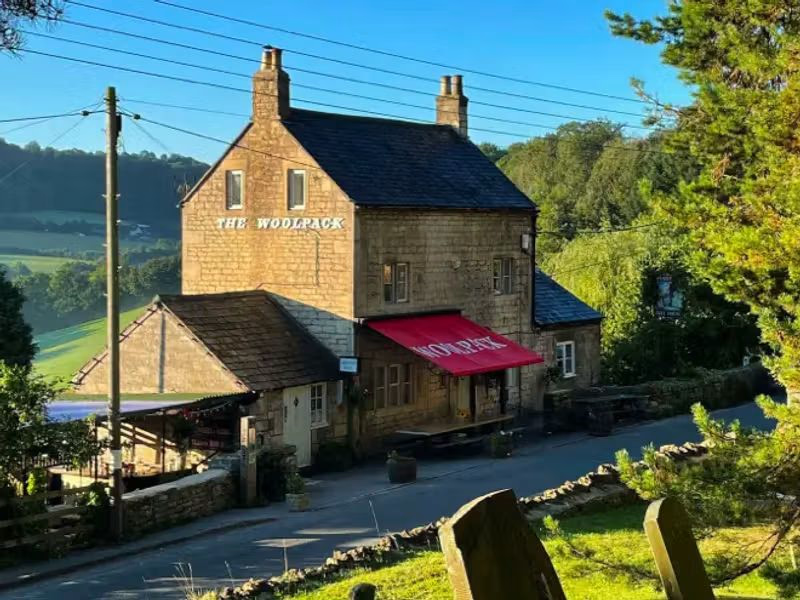
The walk is also a reminder that pilgrimage need not be solemn. Lee’s world is sensuous, comic, muddy, hungry and thirsty. The route passes close to The Woolpack, his local, still the natural place to end, begin, or interrupt the circular walk. The food is delicious here and a pint here is not an optional refreshment but part of this pilgrimage's liturgy. Lee lies under his gravestone in the churchyard nearby between, fittingly, pub and church.
Swift’s Hill gives the route its widest breath. From here the valley drops away, and in clear weather the eye can catch the Severn. The grassland is rich in wildflowers, orchids, butterflies and birds, though even in bare seasons the hill has a spare, exposed beauty. This is where the walk ceases to be purely literary. Lee is the invitation, but the valley is the destination. The pilgrim comes for the writer and stays for the land itself.
That is the quiet achievement of the Laurie Lee Way. It returns Cider with Rosie to its soil, but it also frees Slad from being merely a literary shrine. The book does not trap the valley in nostalgia. It teaches us how to see what remains: the damp lanes, the wooded slopes, the hedges filled with birdsong, the small fields, the pub, the church, the sense that a life may be made from close attention to one place. Also, if you have time and a car, also check out nearby Hawkwood College and its sacred spring.
Modern pilgrimage often chases the spectacular: high mountains, holy islands, ancient cathedrals. Slad offers something more domestic and perhaps more necessary. It suggests that paradise may not be elsewhere, but underfoot; not distant, but local; not dramatic, but looked at properly. Let the valley do most of the talking. Then end at The Woolpack, where all good English mysticism should end.
Article first appeared in Idler Magazine.
More Information
An excellent leaflet produced by the Gloucestershire Wildlife Trust can be purchased - https://gloswildlife.myshopify.com/products/laurie-lee-wildlife-walk-trail-leaflet
Route highlights

Location

Nearby Places


Discover holy places, and bring your own beliefs.
Pilgrimage by foot is connected with places and landscape, and how those places make you feel. Read about holy places.
At the British Pilgrimage Trust, we believe a pilgrimage should be made on an individual’s own terms. We are founded on the principle that we can all bring our own beliefs to the journey, accessible and welcoming to all.


Comments
0 Comments
Login or register to join the conversation.
Tom Jones
Lorem ipsum dolor sit amet, consectetur adipiscing elit. Suspendisse varius enim in eros elementum tristique. Duis cursus, mi quis viverra ornare, eros dolor interdum nulla, ut commodo diam libero vitae erat. Aenean faucibus nibh et justo cursus id rutrum lorem imperdiet. Nunc ut sem vitae risus tristique posuere.