.svg)

Pilgrimage now - the movement grows
26
Mar
,
2026
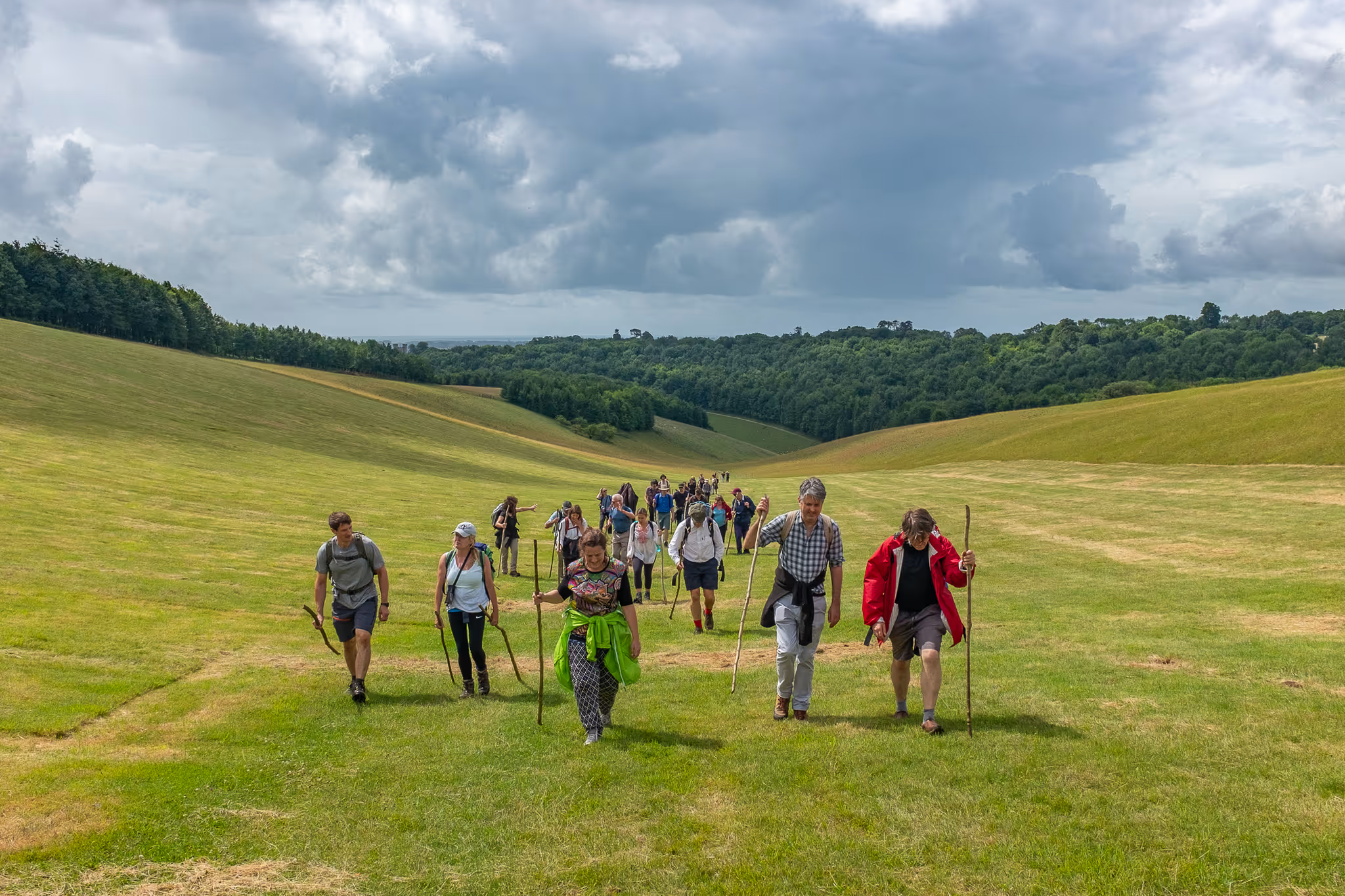


This page is designed as an overview of data and pilgrimage stories that media outlets may find useful when writing about pilgrimage.
For media outreach
Email hello@britishpilgrimage.org or complete our Contact Us form.
- Link to images that can be used, with attribution
- Guy Hayward is the British Pilgrimage Trust's media spokesperson. His biography is at the end of this article.
Pilgrimage in Britain is growing
See recent articles about pilgrimage here.
The British Pilgrimage Trust works to revive the British pilgrimage tradition by creating accessible walking routes and experiences that connect people with heritage, landscape, and community. We believe pilgrimage should become accessible to all, fostering connection, reflection, and well-being through meaningful journeys on foot.
Our mission as a charity is to revive and sustain the British pilgrimage tradition by developing, promoting, and supporting pilgrimage routes and experiences that enhance individual wellbeing, strengthen communities, and connect people with British heritage and landscape.
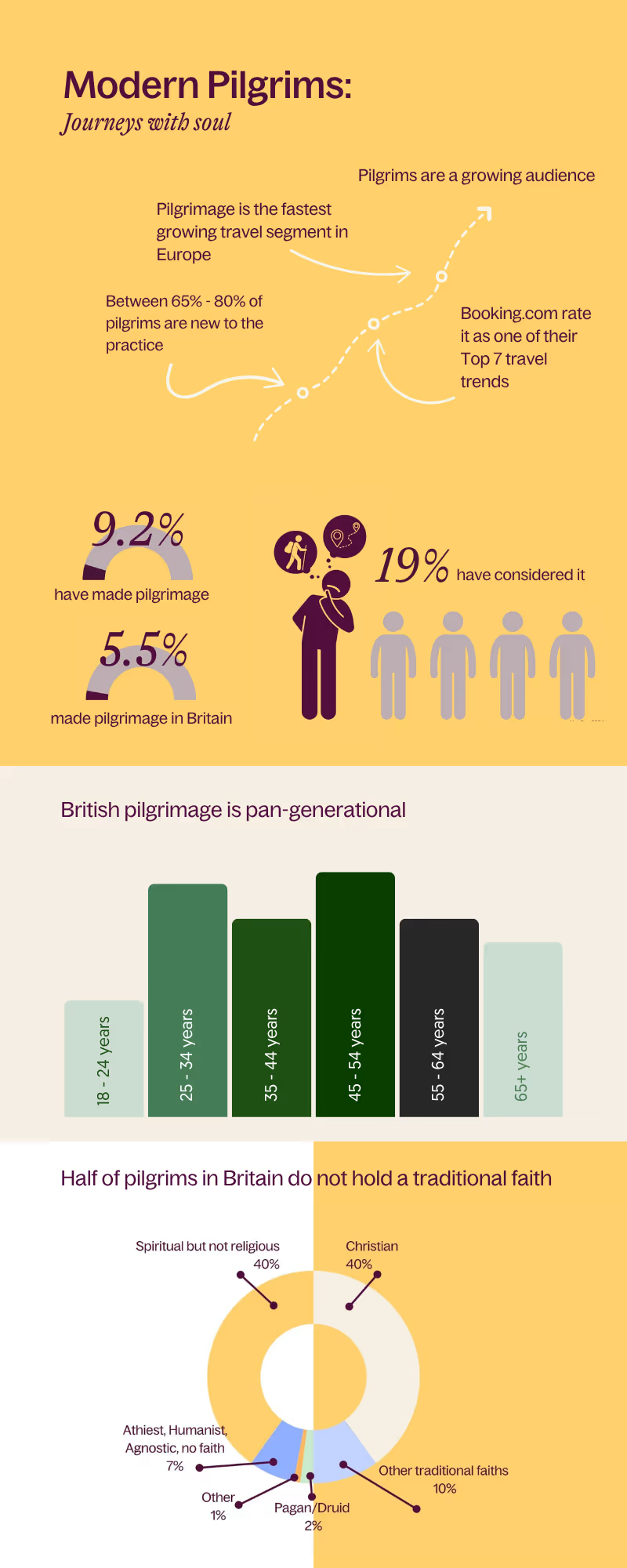
For decades, modern pilgrimage has been more visible across continental Europe, driven in large part by the popularity of the Camino de Santiago and related routes. It is cited as one of the top seven travel trends (source: Booking.com) and is the fastest growing travel segment in Europe.
What people are now discovering is that this same practice can be undertaken in Britain.
Pilgrims can begin their journey here, walking through British landscapes before continuing onwards to Santiago. Indeed, some British routes are recognised by the Confraternity of St James as official starting points for the Camino, including St James’ Way from Reading to Southampton.
What was once widely seen as a historic or purely religious practice is being rediscovered by people of all faiths and none as a way to walk with meaning through landscapes, stories and places that matter.
We are witnessing a moment where pilgrimage answers several yearnings in contemporary life: for meaning, connection, authenticity and embodiment.
Read the article Why Pilgrimage Now?
What pilgrimage looks like in Britain today
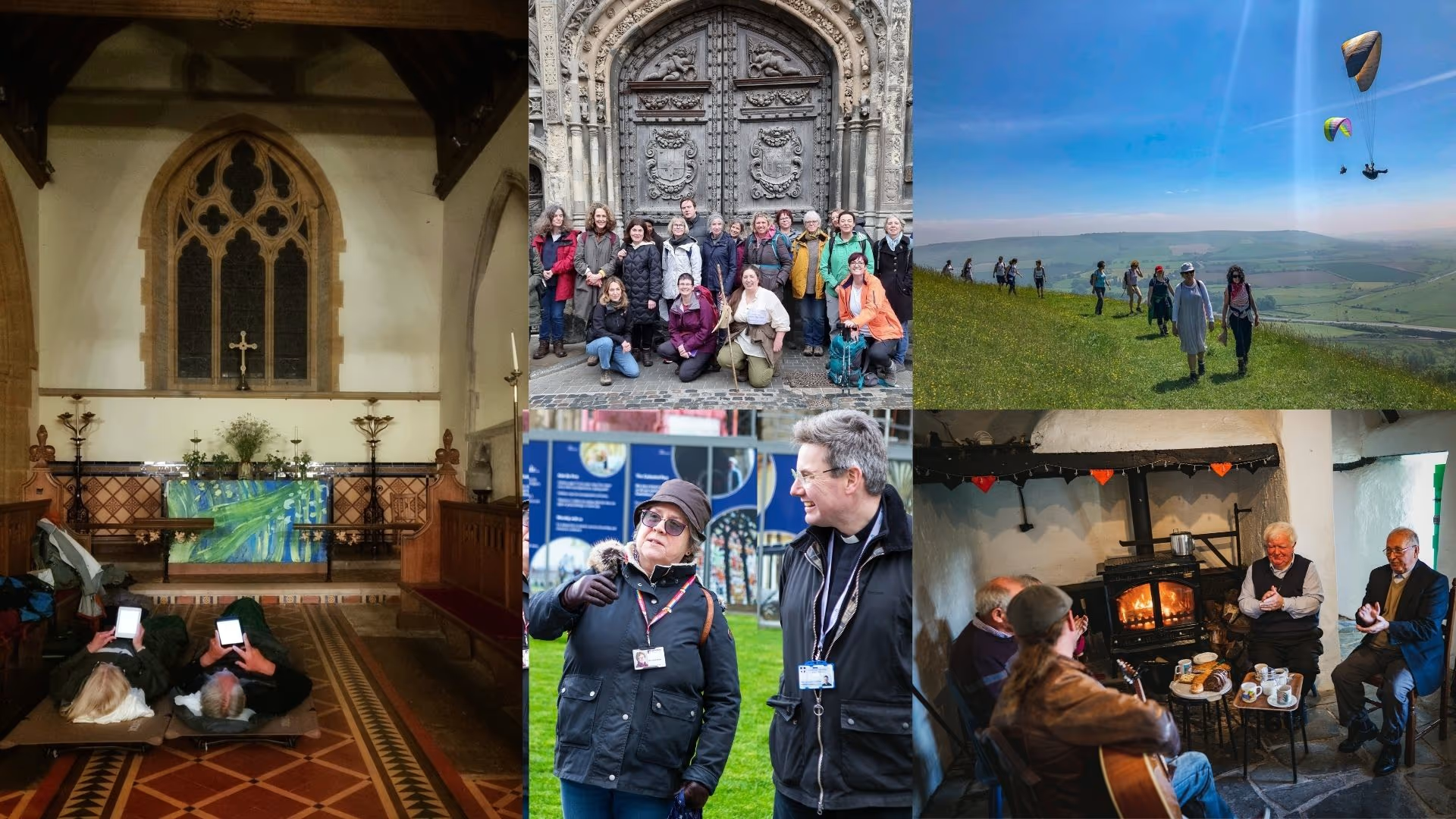
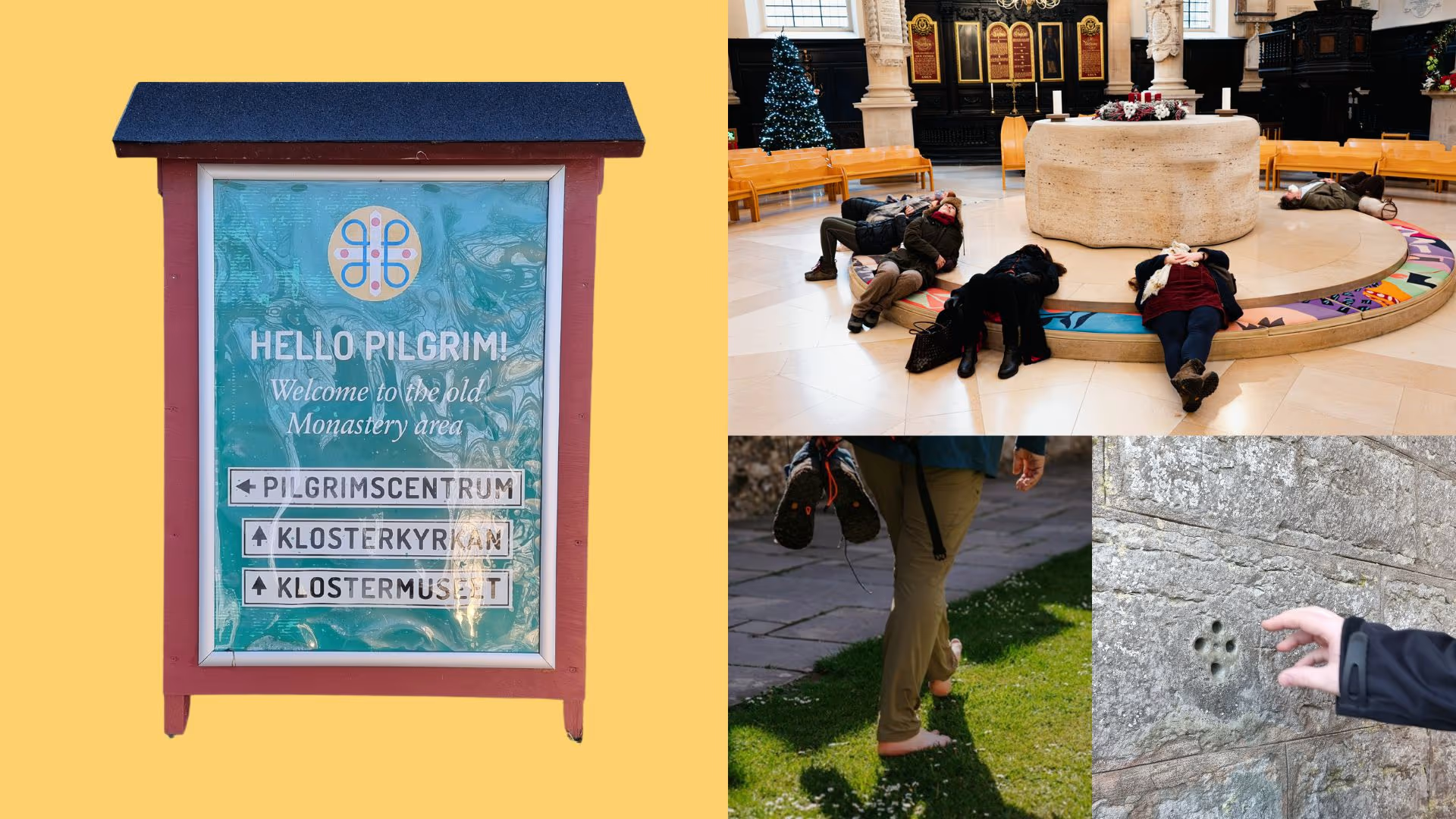
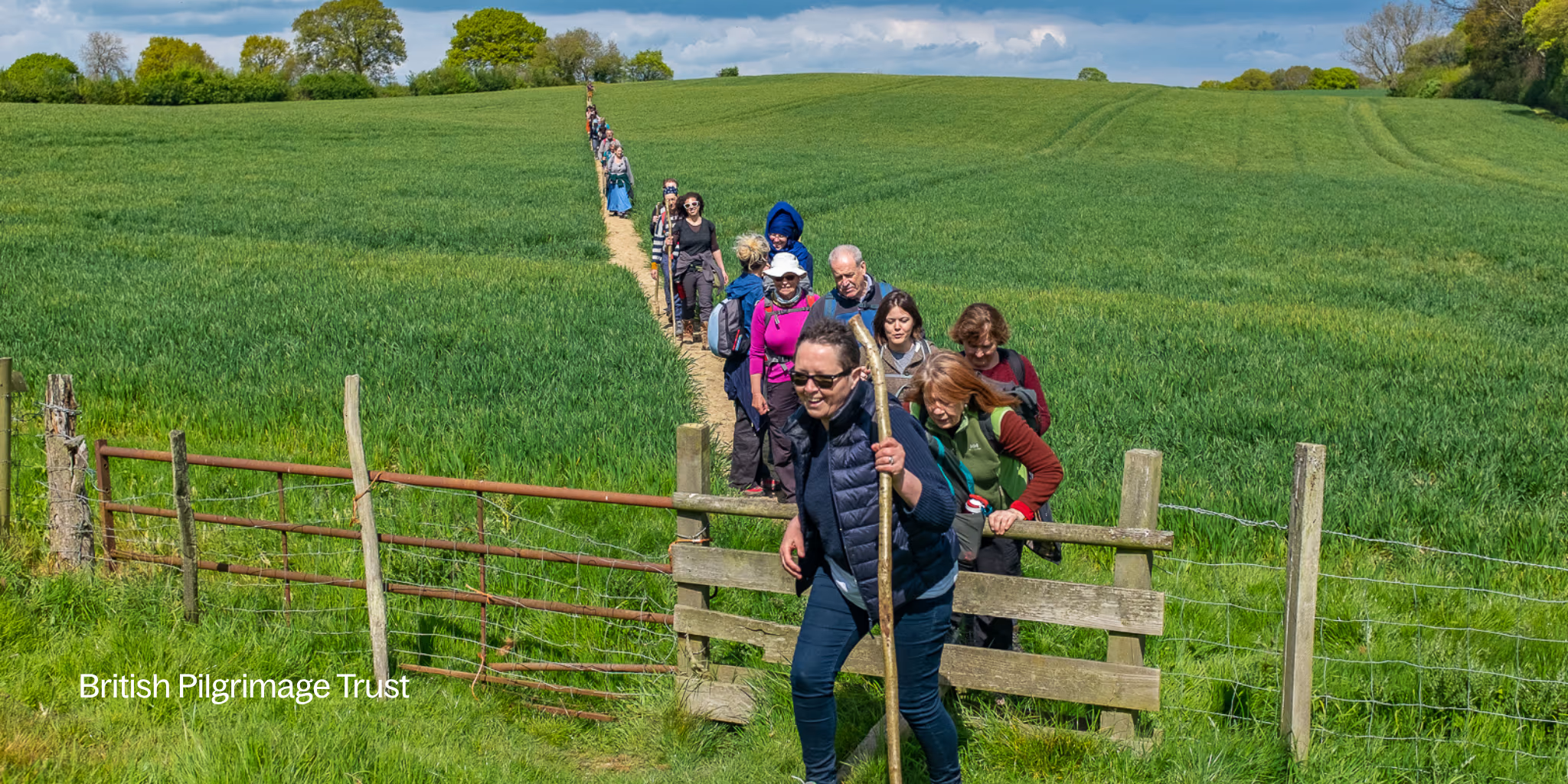
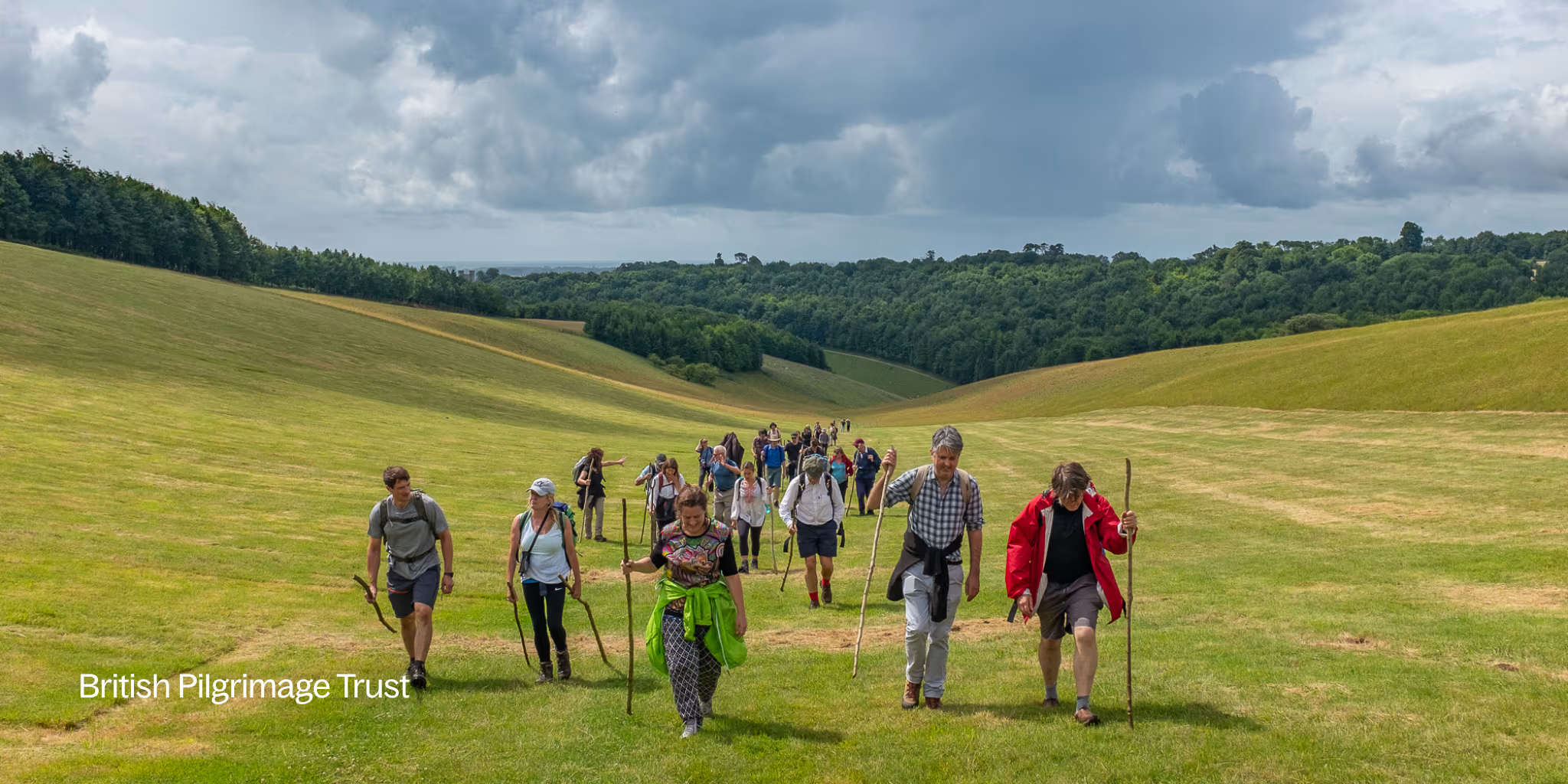
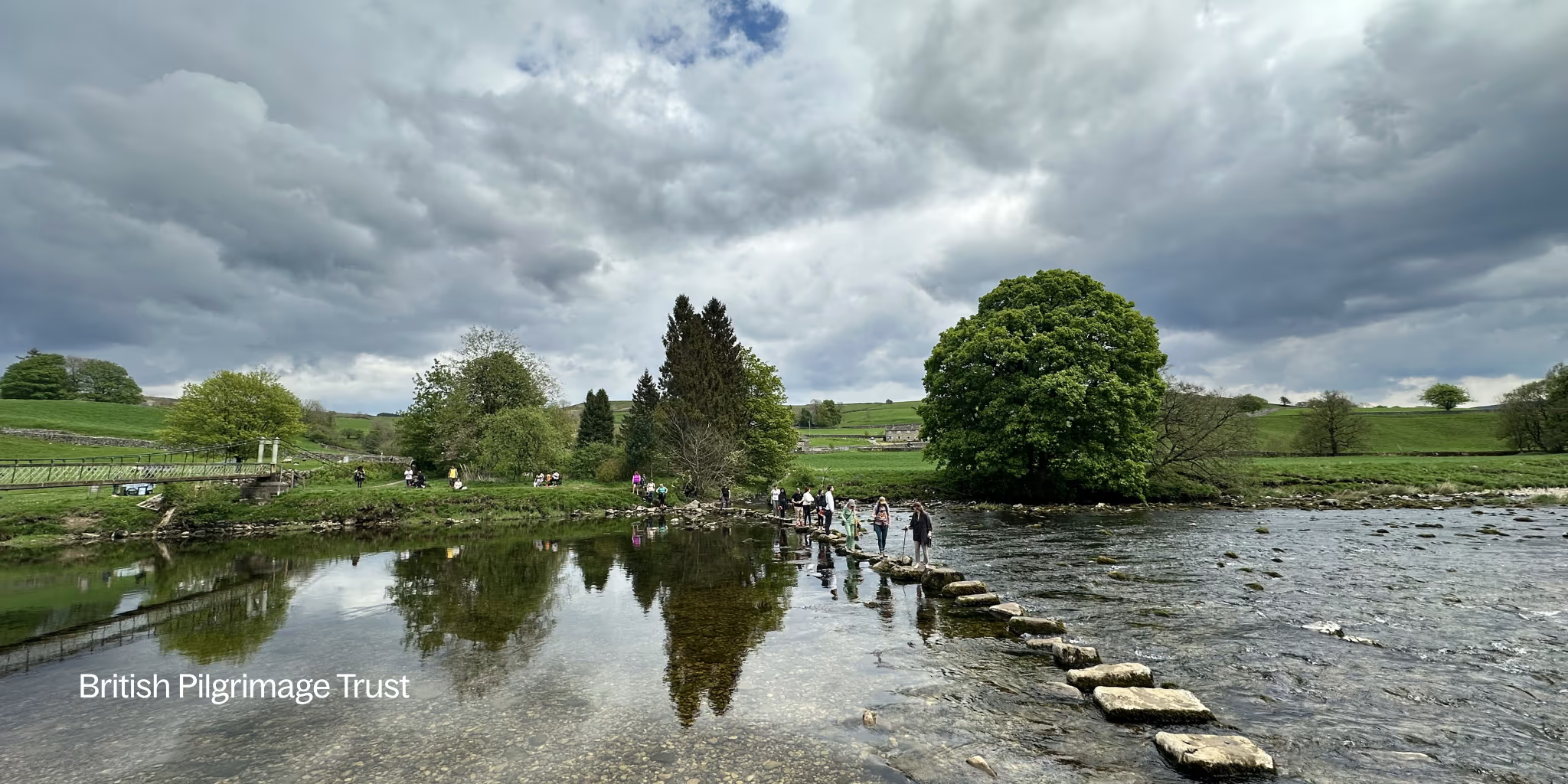
Pilgrimage in Britain today is varied, accessible and not limited to traditionally religious sites.
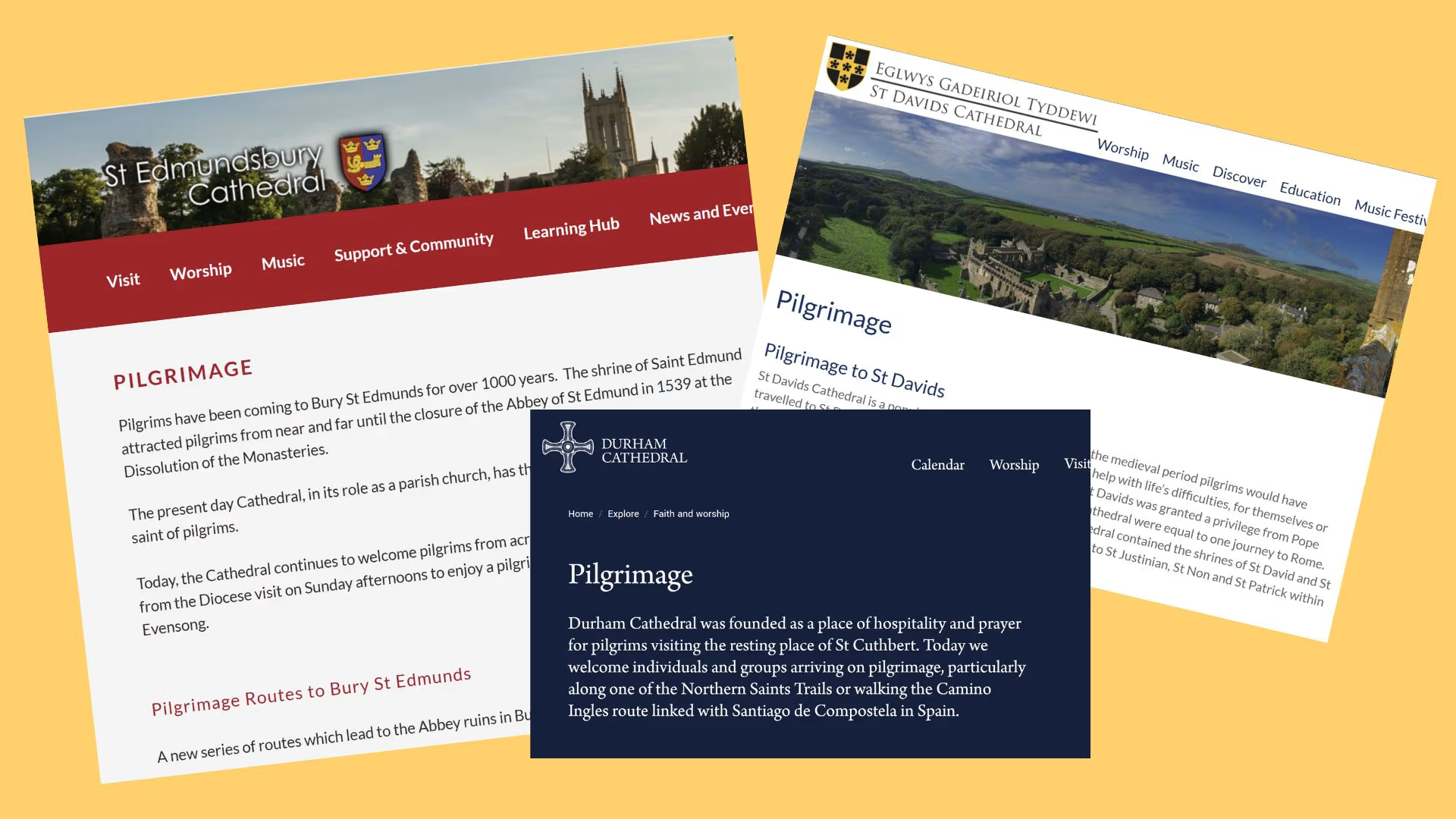
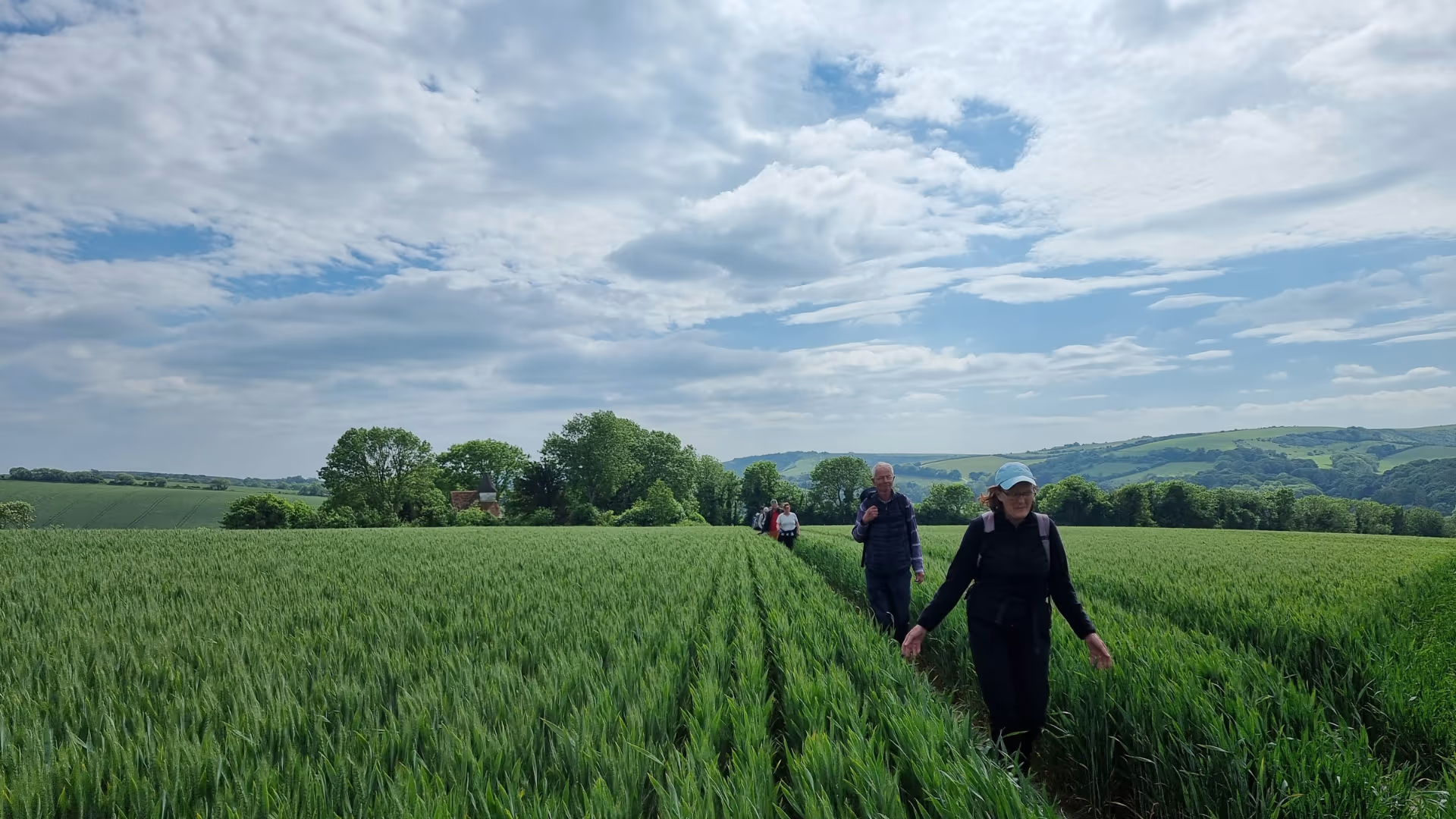
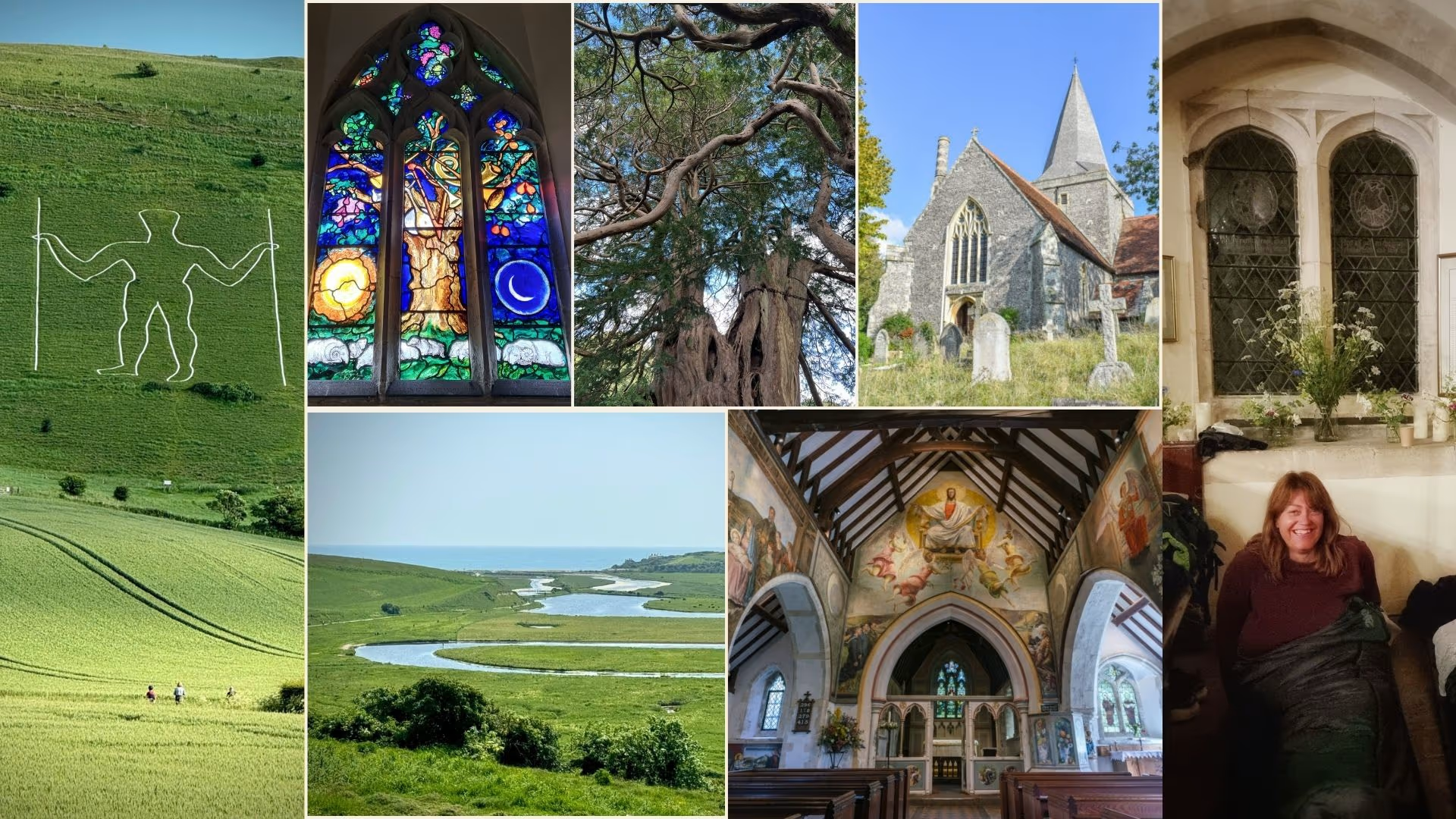
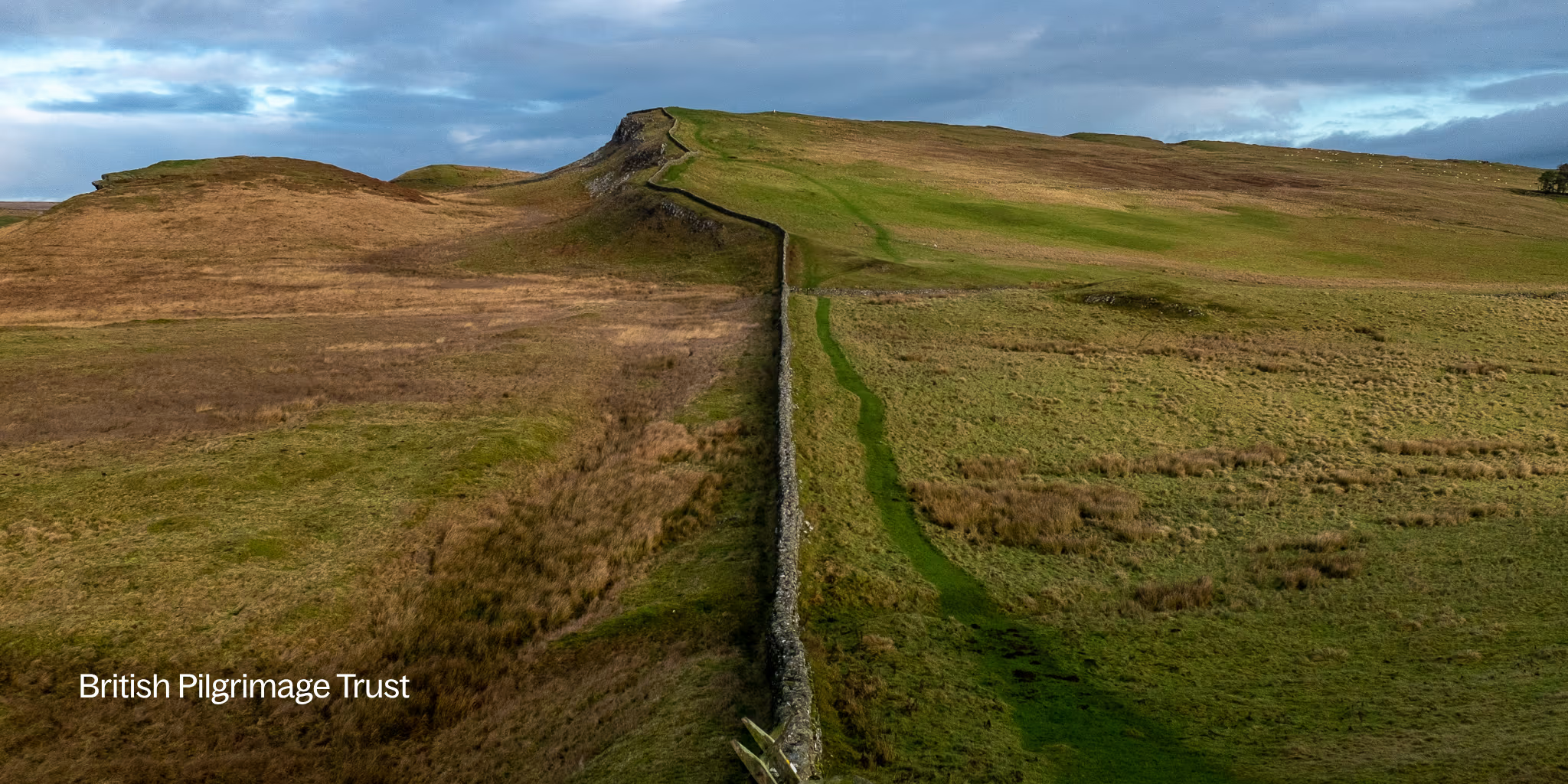
It includes cathedral routes, coastal and river journeys, hilltop sites, holy wells, ancient trees, prehistoric landscapes and urban walks. Some routes take days or weeks; others can be walked in a single day.
Pilgrimage is a wonderful way to connect with generations past, keep local history and traditions alive, and support heritage sites and routes. With the trials of our modern world, it's no surprise pilgrimage has undergone a revival in recent years, and brilliant that each year it becomes practically easier to do.
Alice Loxton, Historian
Who are today's pilgrims in Britain?
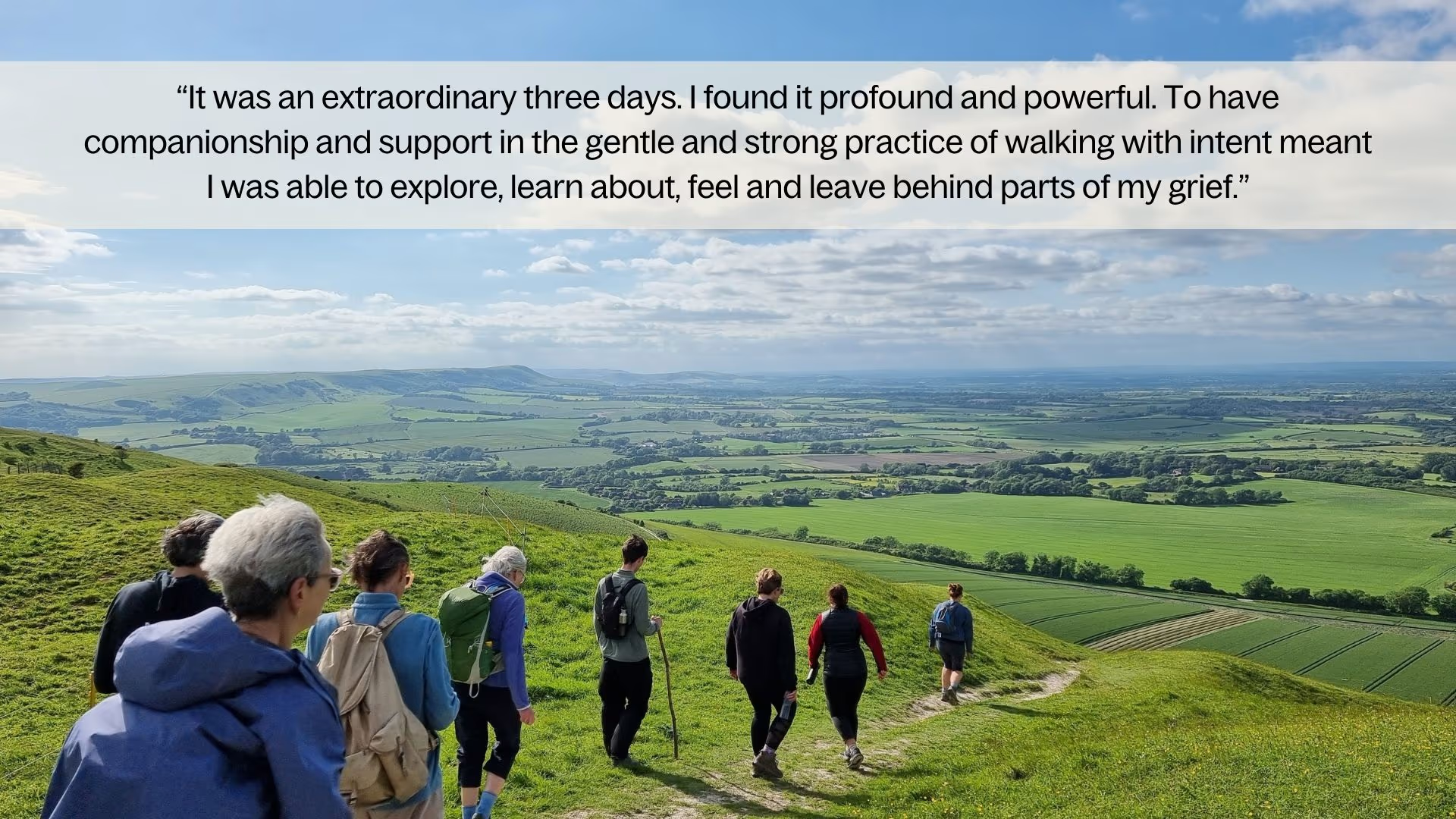
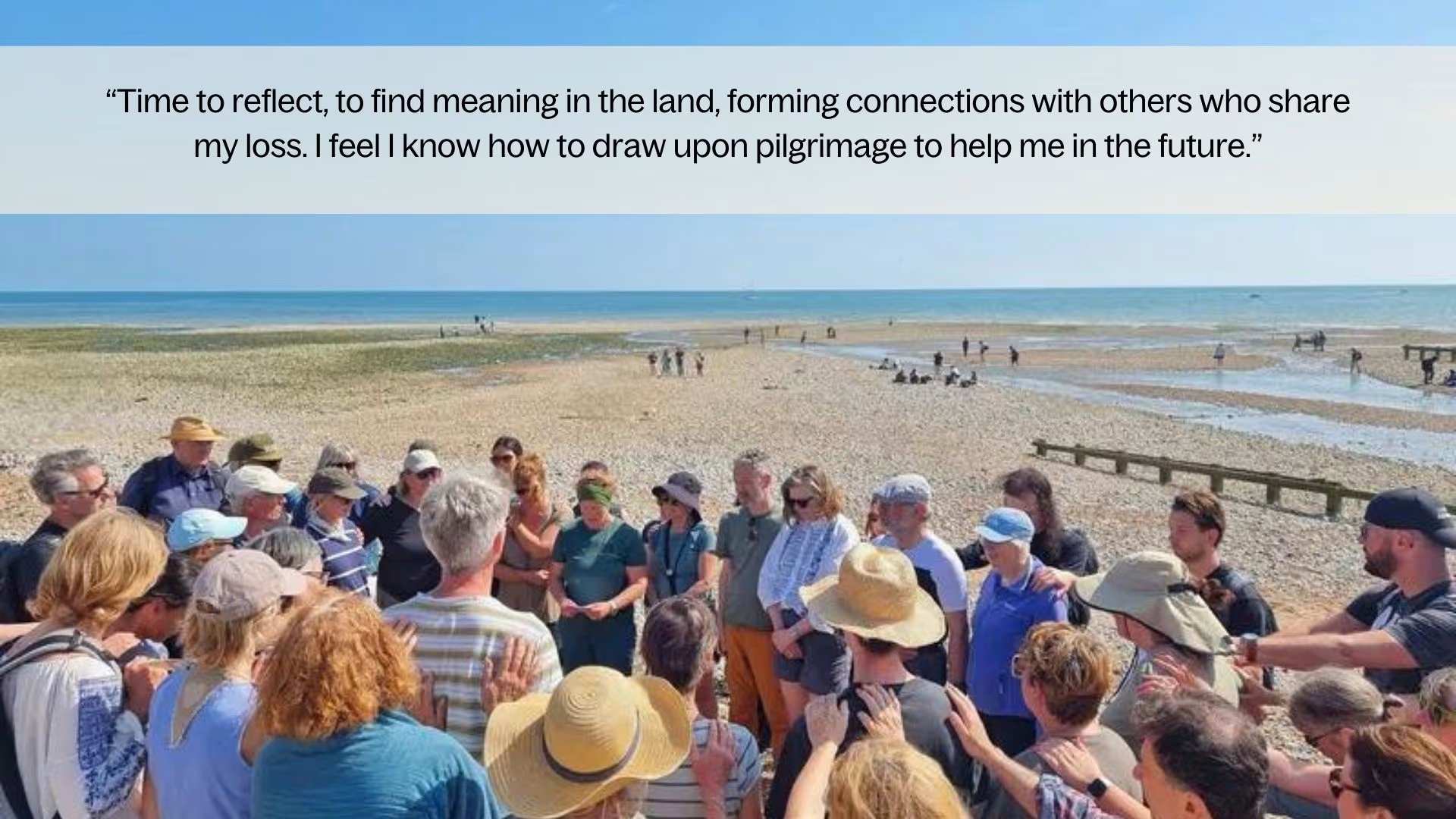
Our data has shown that people undertake pilgrimage for many reasons: reflection, wellbeing, time in nature, heritage, grief, transition or simply to walk with purpose.
Our charity's guided pilgrimages attract everyone from their early 20s to late 70s, with a fairly even gender balance.Most live in cities, particularly London, and come seeking space, silence and community. Others are marking turning points: bereavement, burnout, retirement, or simply the desire to “press reset”.Our self-guided pilgrims who download routes from our website skew slightly younger, digitally savvy travellers who want adventure with purpose. We’re also hearing about families and friendship groups turning to pilgrimage as a way of reclaiming time together.
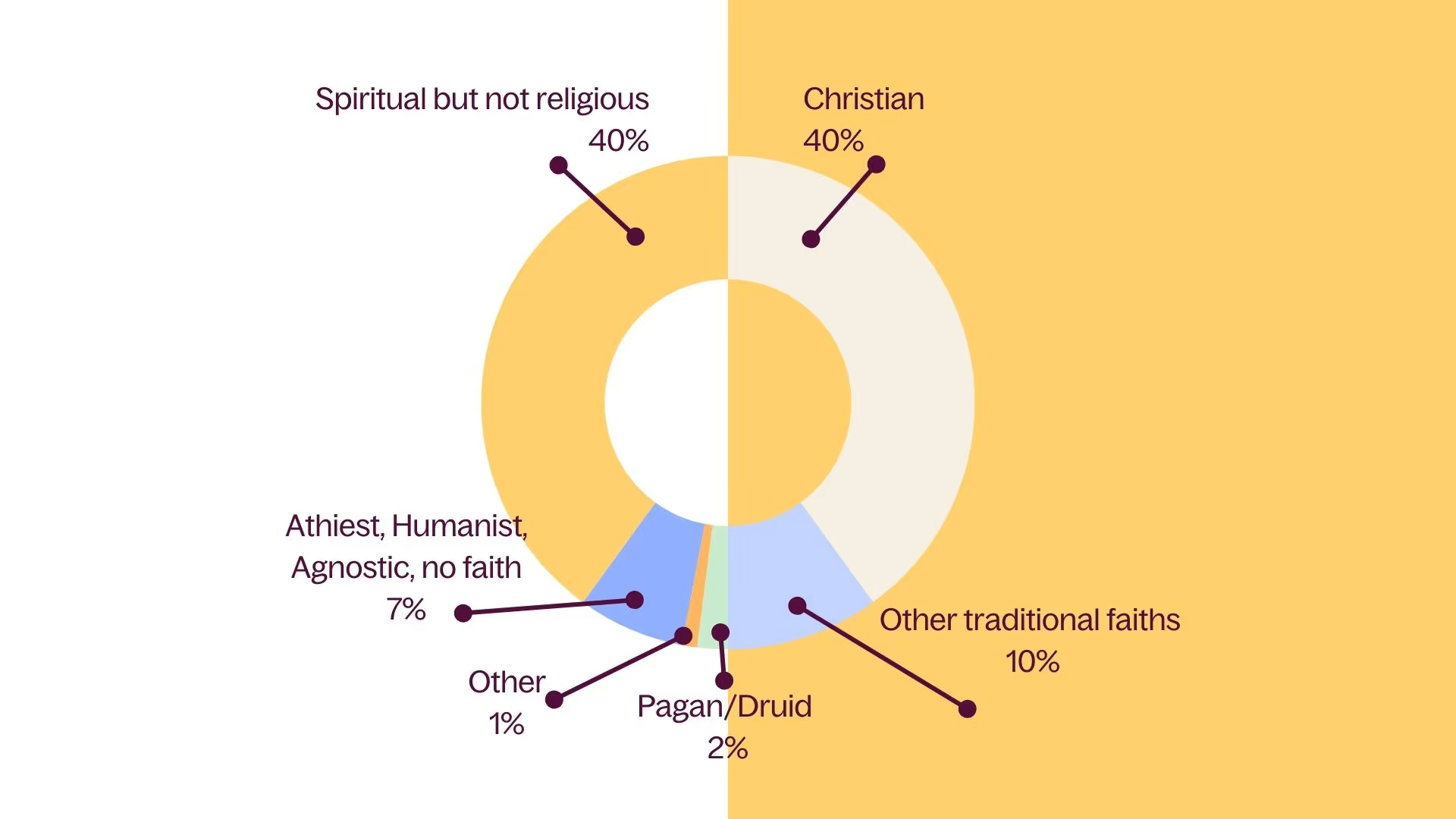
Our data shows that pilgrims, demographically, are:
- 40% Spiritual but not religious
- 40% Christian
- 10% Other traditional faiths
- 7% Atheist / Agnostic / Humanist / No Faith
- 2% Pagan / Druid
- 1% Other
Pilgrimage is increasingly relevant to conversations around:
- wellbeing and mental health
- heritage and living tradition
- nature connection and slow travel
- local tourism and rural economies
- community, ritual and belonging
- grief, transition, celebration and personal reflection
To go on pilgrimage is to follow a path that has been hallowed by the footsteps of all those who have taken it before you.
Tom Holland Historian
The public are interested:
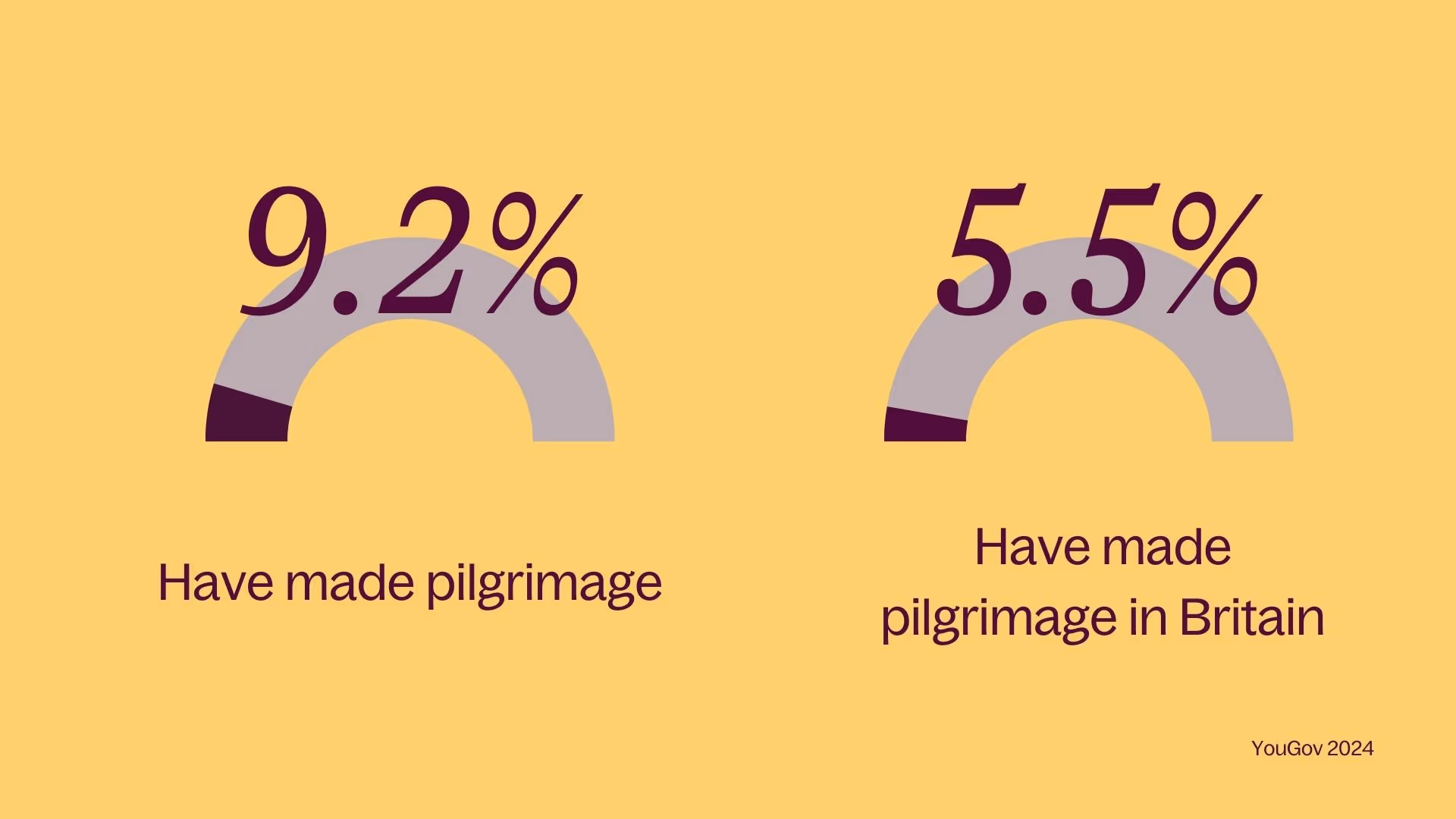
- 9.2% of adults in Britain have already made a pilgrimage
- 5.5% have made one within Britain
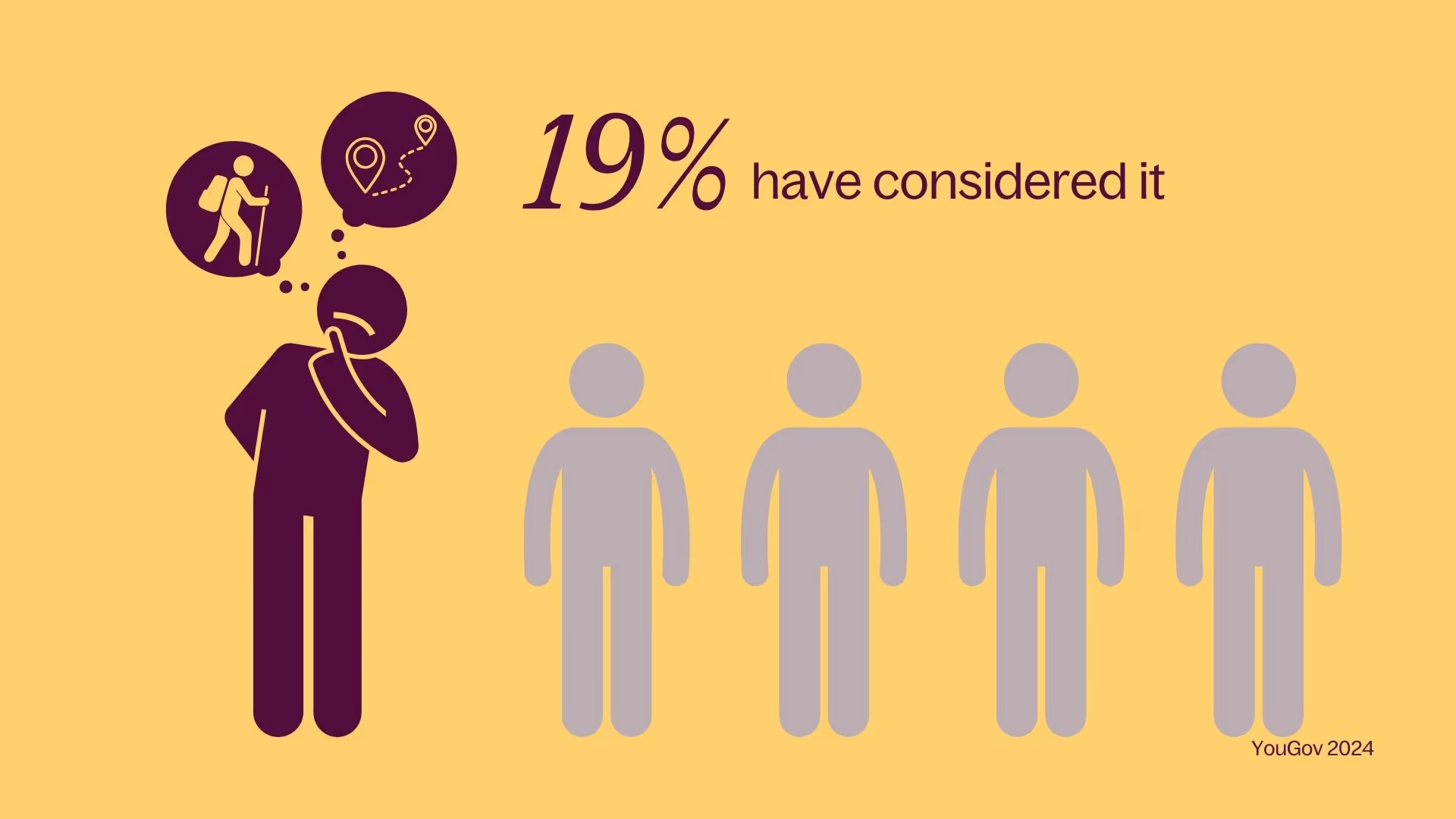
- 20% would like to go on a pilgrimage
- This points to a very large audience interested in pilgrimage in Britain. Nearly one in three adults have either done one or actively want to. The data suggests that 53% of the population might be open to pilgrimage if certain barriers were removed. This data means that 3.7 million British adults have already completed a pilgrimage, and close to eight million, nearly one in five – are considering making one.
Source: BPT's own YouGov surveys in 2025
What’s fascinating in the new YouGov data is that the biggest barrier remains the misconception that pilgrimage is religious. That’s followed by cost, lack of time, and logistical worries. In other words, the desire is there, people simply need reassurance that pilgrimage can be secular, affordable and simple. Many are surprised to learn that a meaningful pilgrimage can be done in a single day with almost no equipment or expense. To aid this, we have created a Sanctuary Network of low-cost community-run accommodation options across Britain.
Nearly one in three UK adults has either done a pilgrimage or wants to - it’s becoming the soulful alternative to the walking holiday
British Pilgrimage Trust
We seek to address common misconceptions and show that:
- Pilgrimage is not only for religious people
- Pilgrimage is not only about long-distance walking
- Pilgrimage is not only about travelling abroad
- Britain has a deep pilgrimage tradition of its own
The biggest barrier is still the idea that pilgrimage has to be religious - in truth, it’s open to anyone with curiosity.
British Pilgrimage Trust
What we are hearing on the ground
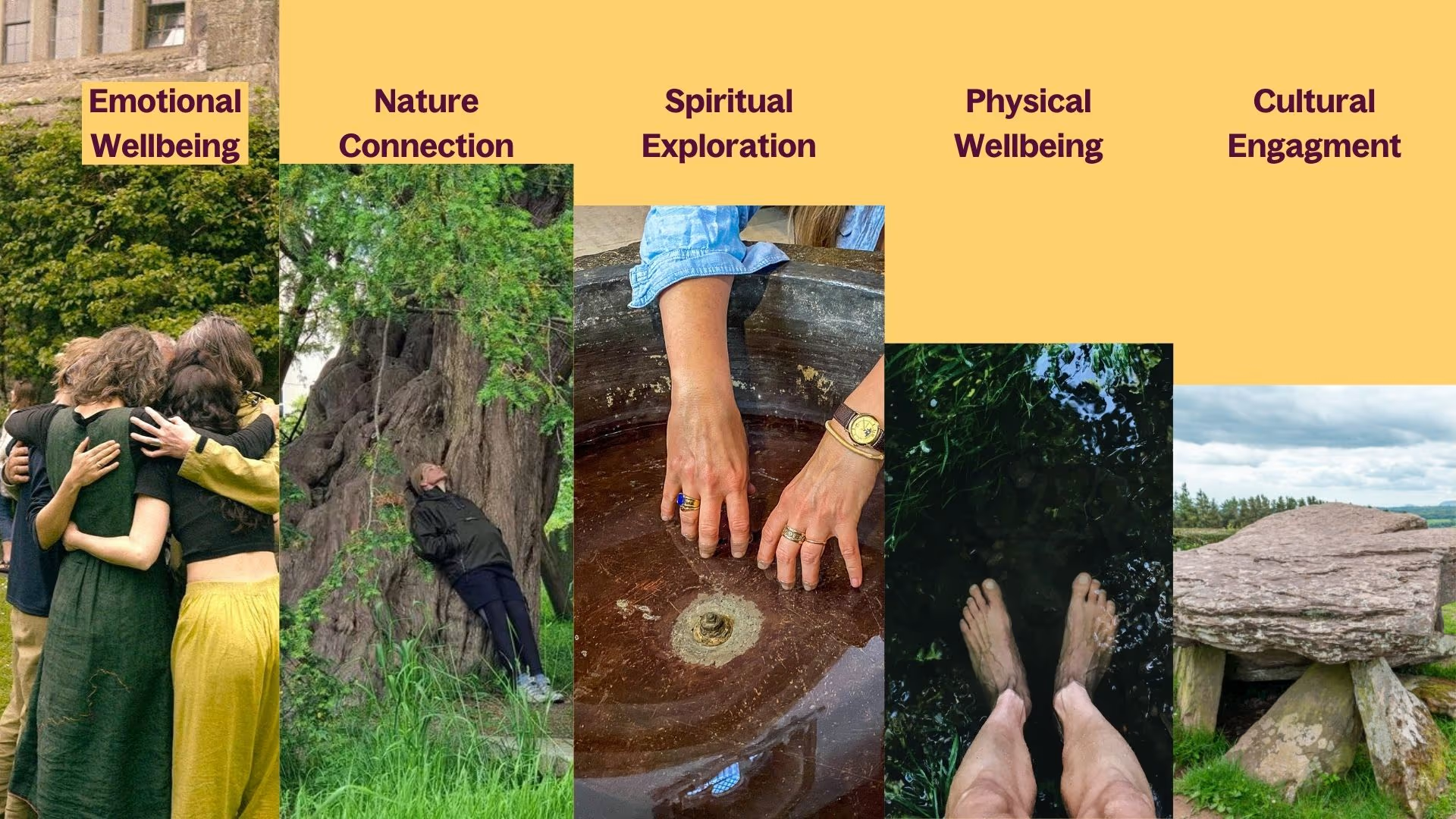
Our surveys of our own pilgrim audience tells us that top motivations are:
- Emotional and mental wellbeing
- Connection with nature
- Spiritual curiosity (beyond dogma)
- Cultural heritage and storytelling
Our recent work also points to growing interest in pilgrimage for:
- mental well-being support
- youth and education
- spiritual ecology
- urban design and placemaking
- socially prescribed or health-adjacent walking models
People don’t go on pilgrimage to escape, but to deepen, life.
British Pilgrimage Trust
British Pilgrimage Trust's expanding reach
- 2025 saw a record year for the Charity's website visitors, with over 560,000 people visiting, up 30% over 2024 and double the number who visited in 2022
- Each month, around 40–50 thousand people browse routes, download route maps and plan self-guided journeys.
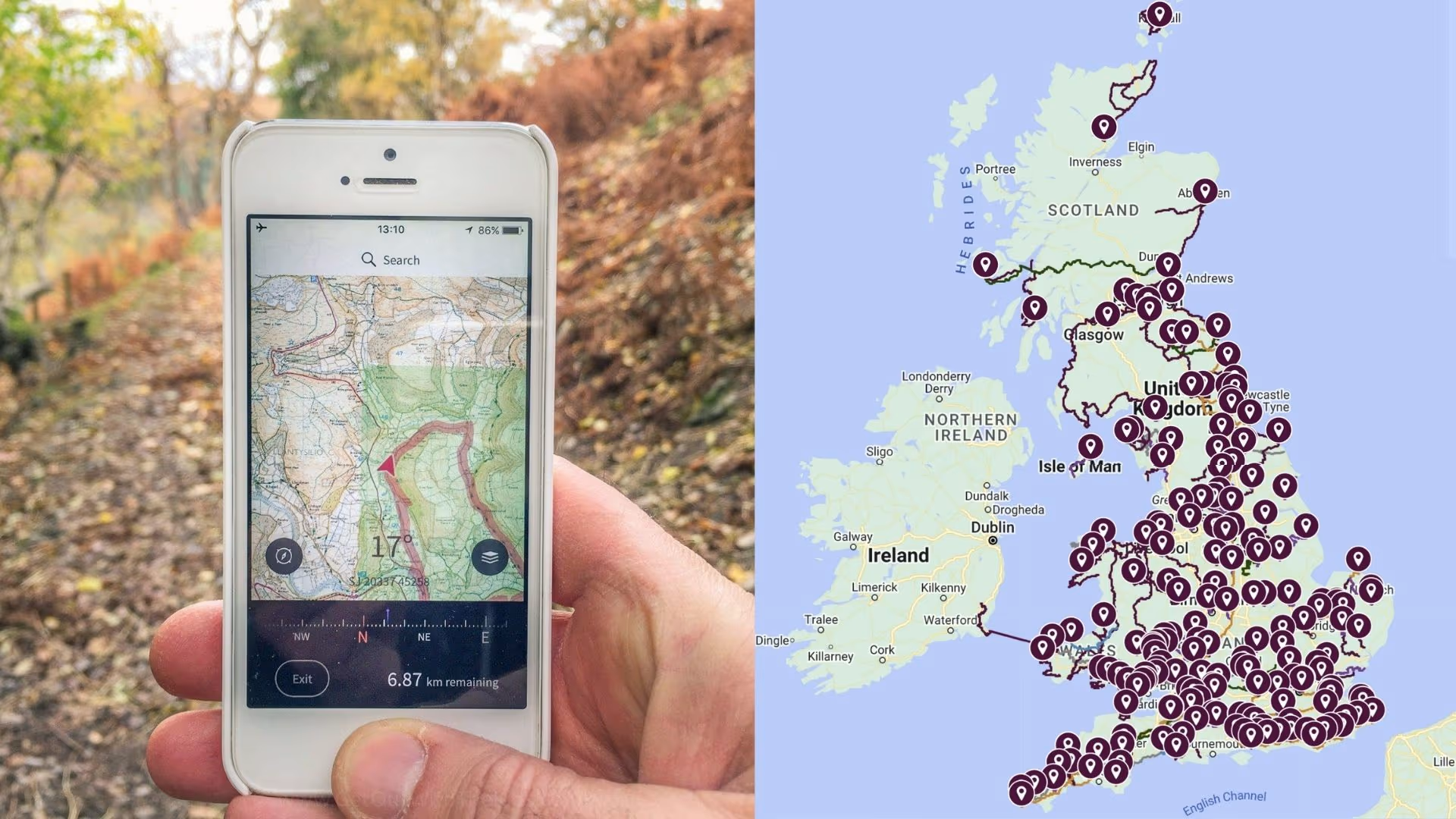
- We have published over 260 pilgrimage routes across Britain
- We have also published close to 400 sacred places
- We are actively working with leading walking platforms such as OSMaps and Outdoor Active, to make our unique routes available to walkers on those platforms
The most popular pilgrimage routes in Britain
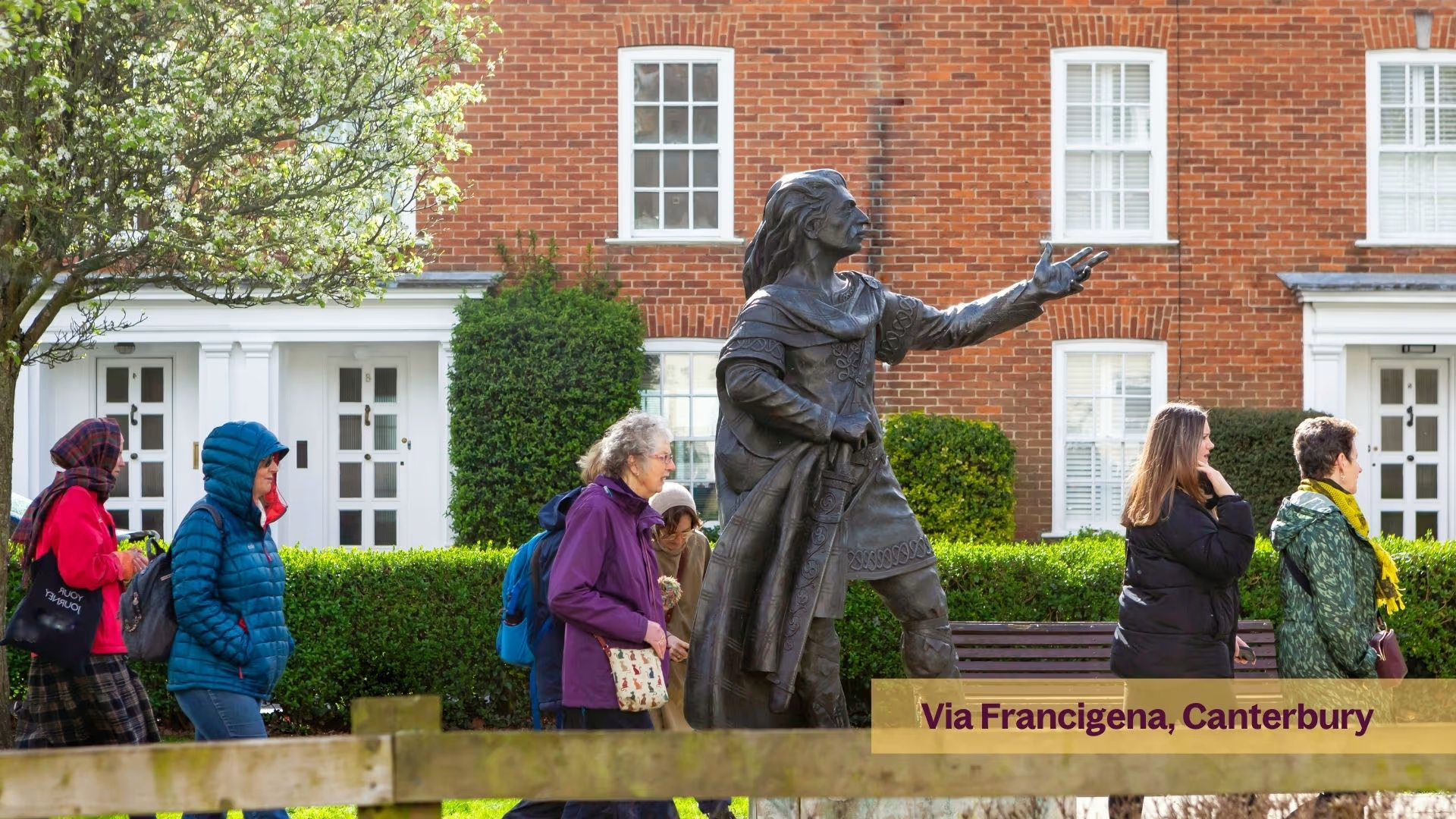
- In this press release, we shared the most popular routes in 2025. Across the three nations, the most popular routes include shorter pilgrimages such as St Michael’s Way in Cornwall, alongside longer journeys including St James’ Way, the Pilgrims’ Way to Canterbury, the revived Old Way, the North Wales Pilgrims’ Way, and St Columba’s Way in Scotland.
- The most popular routes are those that blend beauty, story and accessibility, what we call “micro-pilgrimages”, one-day walks (such as our collection of cathedral day routes).
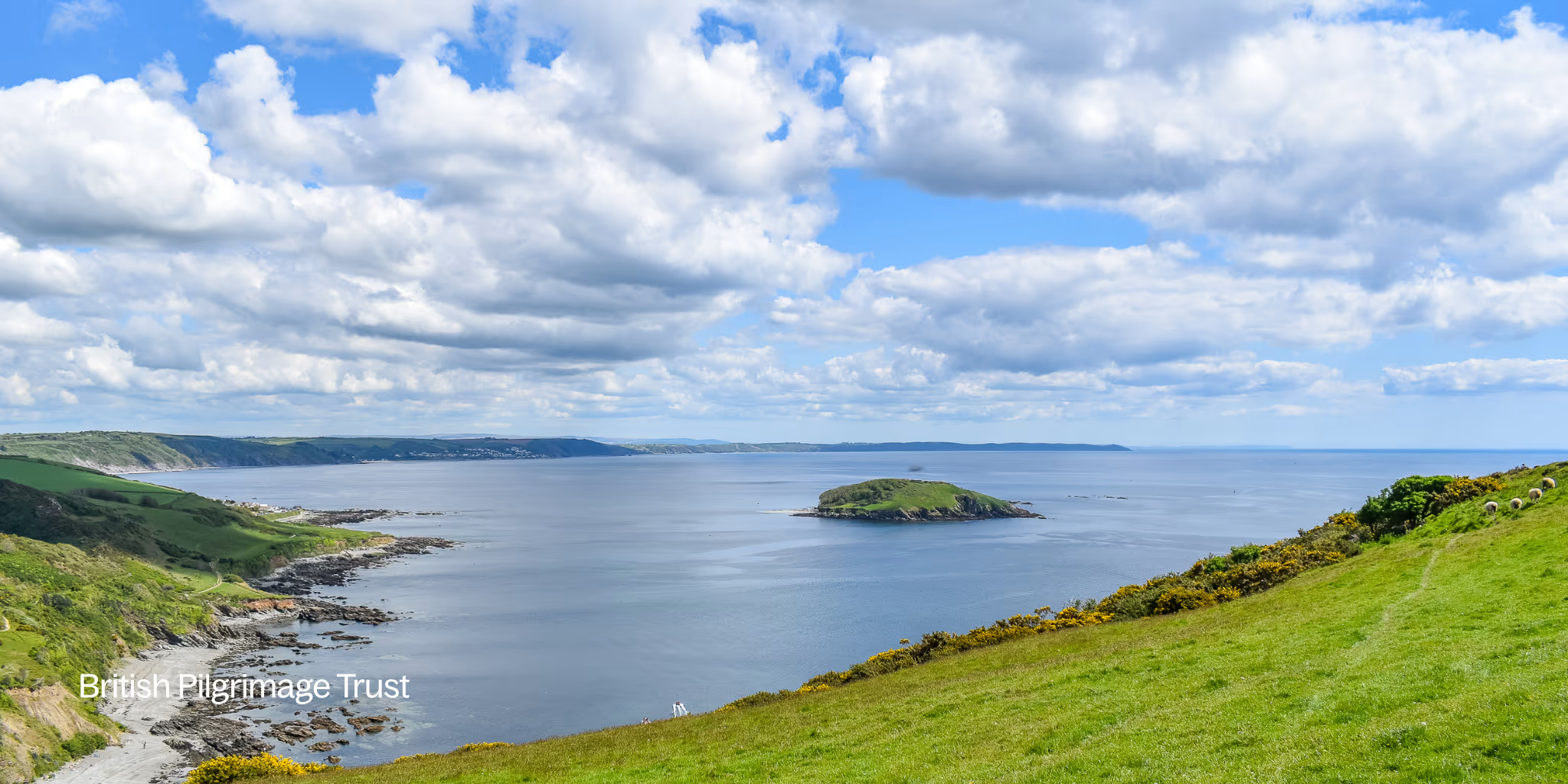
- St Michael’s Way (Cornwall) - a 13-mile coast-to-coast path through a land of saints and giants.
- The Old Way - a 240-mile route we resurrected from Britain’s oldest road map, the 14th-century Gough Map.
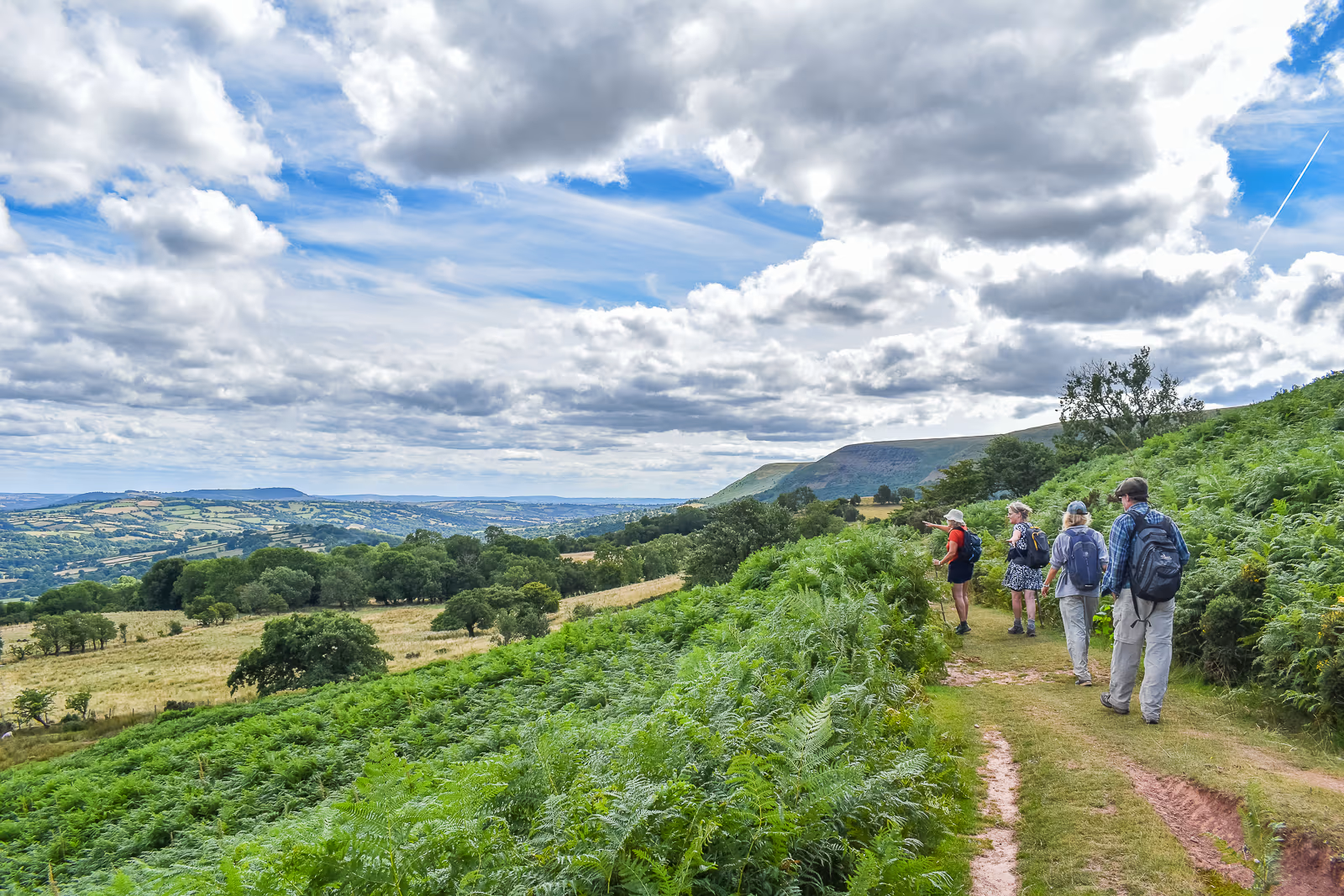
- Golden Valley Pilgrims Way (Herefordshire) - a week-long circular pilgrimage where walkers can sleep overnight in medieval churches.
Pilgrimage is the walking holiday with meaning - slow travel that nourishes the soul as well as the body.
British Pilgrimage Trust
British Pilgrimage Trust's Sanctuary Network
- The charity now has established 60 Sanctuaries, in collaboration with communities, offering pilgrims low-cost accommodation in the community, usually in churches or local village halls. Learn more about the Sanctuary Network here.
The movement in practice at the British Pilgrimage Trust
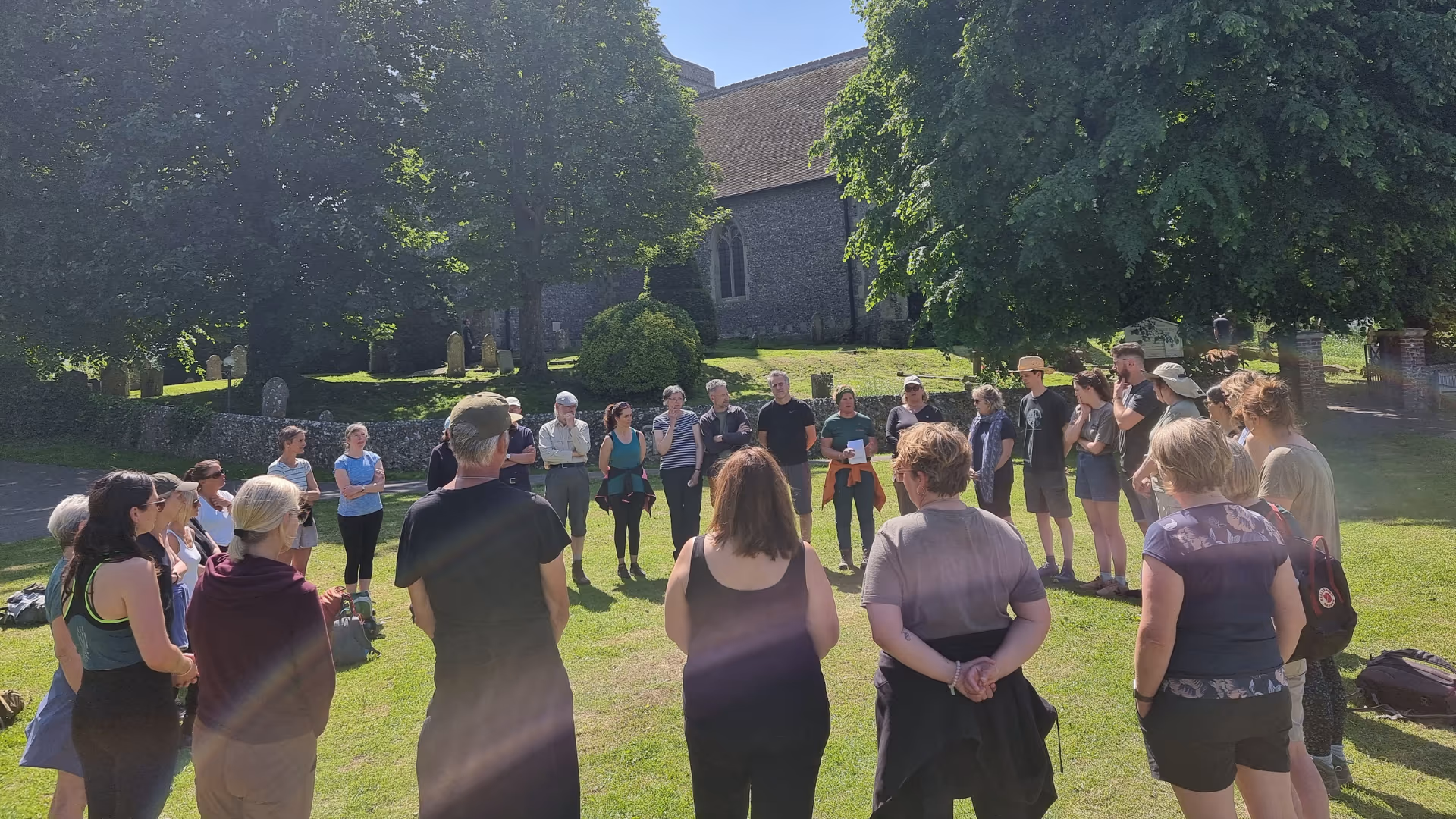
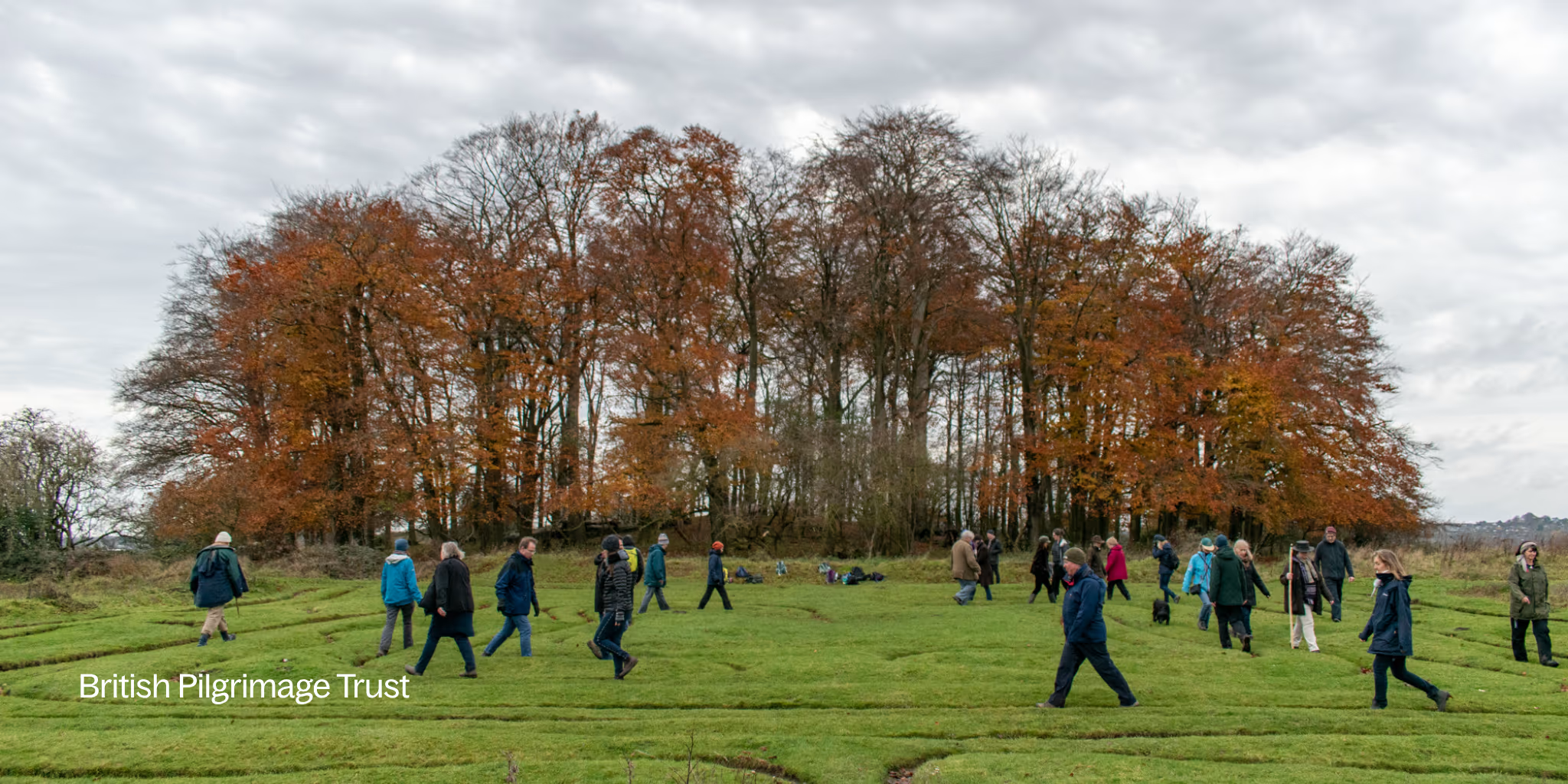
- Every year, we guide hundreds of pilgrims on single- or multi-day pilgrimages, introducing new people to the practice. See our events here.
- We enable thousands of people to research, download and save GPX files routes to their profile on our website, all for free.
- These activities are a strong sign that people are not just browsing pilgrimage content but actively planning and walking routes
About the British Pilgrimage Trust
The British Pilgrimage Trust is a charity founded in 2014 to advance British pilgrimage as a form of cultural heritage that promotes holistic wellbeing, accessible to all. It publishes pilgrimage routes and sacred places across Britain, supports guided journeys and community partnerships, and encourages people of all faiths and none to explore pilgrimage through its ethos of “Bring Your Own Beliefs.”
For media outreach
Email hello@britishpilgrimage.org or complete our Contact Us form.
- Link to images that can be used, with attribution
- Guy Hayward's biography is below
Media Spokesperson: Guy Hayward
The charity's co-founder, Dr Guy Hayward, is available for commentary and can be reached through the links above.
Guy Hayward is co-founder of the British Pilgrimage Trust and a leading voice on modern pilgrimage in Britain. He holds a PhD in Music Psychology at the University of Cambridge, researching how singing forms community. He has appeared on TV, Netflix and BBC Radio 4, and writes for the national media.
Hayward is a writer, guide and researcher. He co-authored Britain’s Pilgrim Places, a widely used guidebook exploring the country’s sacred routes and sites. He has led guided pilgrimages since 2016 and specialises in pilgrimage, myth, and the role of walking and song in human experience. When guiding pilgrimages, Hayward weaves together walking, song, mythology and landscape, and helps to revive ancient routes for contemporary life.
Hayward is also co-founder of the Choral Evensong Trust with Dr Rupert Sheldrake, which promotes Britain’s sacred choral tradition. He is also one half of the comedy singing double act Bounder & Cad.
.svg)







Further reading



.svg)
Comments
0 Comments
Login or register to join the conversation.
Tom Jones
Lorem ipsum dolor sit amet, consectetur adipiscing elit. Suspendisse varius enim in eros elementum tristique. Duis cursus, mi quis viverra ornare, eros dolor interdum nulla, ut commodo diam libero vitae erat. Aenean faucibus nibh et justo cursus id rutrum lorem imperdiet. Nunc ut sem vitae risus tristique posuere.
Tom Jones
Lorem ipsum dolor sit amet, consectetur adipiscing elit. Suspendisse varius enim in eros elementum tristique. Duis cursus, mi quis viverra ornare, eros dolor interdum nulla, ut commodo diam libero vitae erat. Aenean faucibus nibh et justo cursus id rutrum lorem imperdiet. Nunc ut sem vitae risus tristique posuere.