

North Wales Pilgrims Way
Wales


The North Wales Pilgrims Way: Holywell to Bardsey Island – 140 miles – 2 weeks
Stretching 140 miles from Holywell in Flintshire to the sea-lashed rocks of Bardsey Island, the North Wales Pilgrims Way was once walked by thousands of pilgrims seeking rest for the soul – or, more boldly, a ticket to paradise, which is what Bardsey represents. Today it is waymarked and walkable in two weeks, though there’s no reason not to take longer.
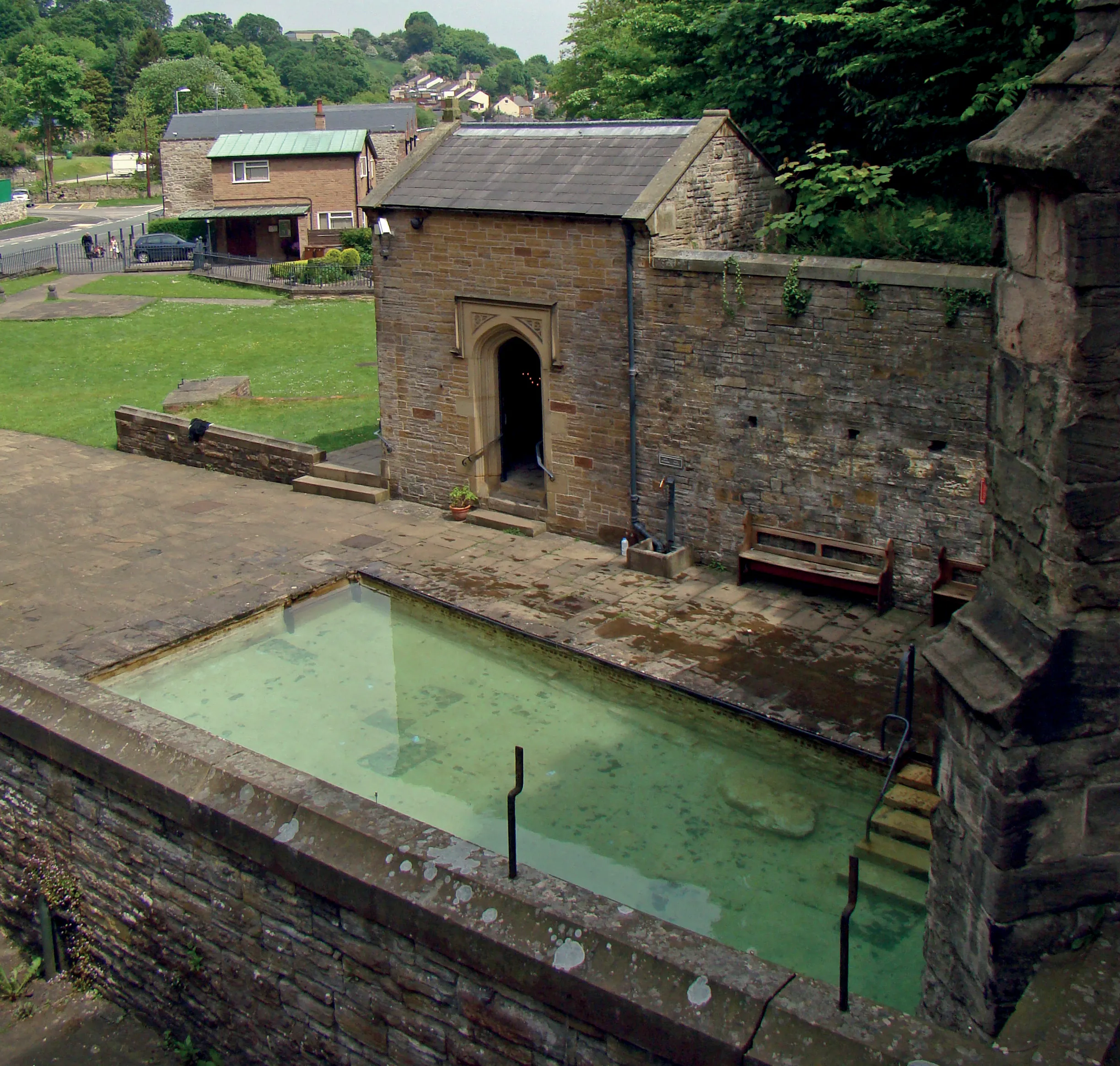
Your journey begins in Holywell, home to what’s sometimes called the Lourdes of Wales – St Winefride’s Well. This isn’t a puddle in a stone trough, but a full-blown, cathedral-enclosed swimming pool of sacred water. You can actually kneel underwater on St Beuno’s Stone, if you like your spiritual experiences immersive. Before saints blessed them, these were places where spirits of the land, or nymph-like guardians, were said to dwell, a pre-Christian water shrine, linked to feminine divinity and the regenerative power of the land.
From there, the route threads westward through a series of sacred landscapes: prehistoric stone circles, 1,000-year-old carved crosses, woodland shrines and hallowed springs. This is diverse North Wales – a place where granite tors punch through mossy hills, and glacial valleys give way to bogs, forests and salt-scoured headlands.
Pilgrimage here doesn’t shy away from physical effort. You’ll cross great rivers and climb Snowdonia’s shoulder-blades. Snowdonia literally means place of eagles, and is the terrain of Gwydion and Lleu Llaw Gyffes, figures from the Mabinogion, the Welsh mythic cycle. Even here, you're never far from shelter – the path is dotted with tiny stone churches that once fed and housed the medieval faithful. Some still make special welcome to pilgrims today, as this route is well-loved.
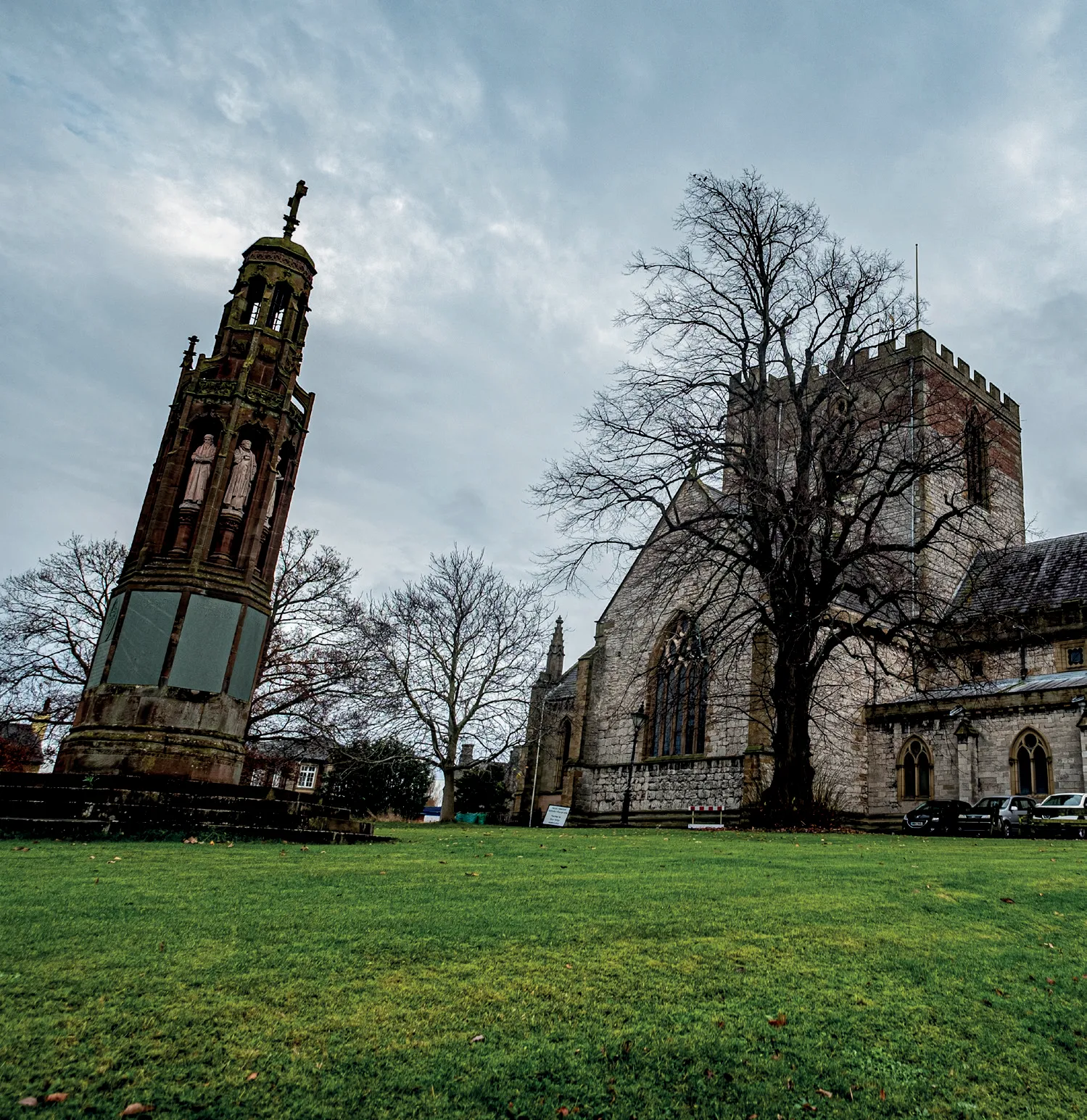
Places like Llangelynin Church, perched alone above the Conwy Valley, or Clynnog Fawr, once a major stopping point on the medieval route, carry with them a sense of idleness, of time stopping still. It’s not all remote either – you pass through towns like St Asaph, home to Britain’s smallest cathedral, and Bangor, a university town where poetry and pint-pulling coexist.
The route weaves you through what the geologists call “contrasting lithologies”. For lay walkers, that means one minute you're on Cambrian quartzite, the next on Ordovician shale. These are the ancient bones of Wales. The walk is also an ecological sampler: red kites above, oystercatchers along the coast, and biodiverse woods around Gwytherin.
From a historical perspective, this isn’t just a one-track religious path. It connects stories from Celtic Christianity, early Welsh saints, Norman conquest, Methodist revival and Romantic poetry. At Tremeirchion, you pass a theological college; at Gwytherin, the burial site of St Winefride; at Pistyll, the stone church of St Bueno, who raised St Winefride from the dead, a kind of miracle-working wizard-priest of the 7th century, a druidic sorcerer rebranded for Christianity. There's also the ghost of R.S. Thomas, brooding in the margins – the priest-poet of these parts.
The walk culminates at Aberdaron, a coastal village once bustling with pilgrims waiting to cross the sea, with its own stone cairn full of pebbles charged with the intentions of pilgrims. Then, weather permitting – and this is never guaranteed – comes the final ferry to Bardsey Island. It is known in Welsh as Ynys Enlli, the Island of 20,000 Saints. Some refer to it as the “Island of the Bards.” Though not proven historically, it’s been imagined as a kind of ancient bardic college, where Welsh poets and wisdom-keepers were trained, or laid to rest. Also, it has been long believed to be the burial place of King Arthur, i.e. Avalon, or at least a cousin to that mythical “isle of apples”. Monks lived here for centuries, and it is said that three trips to Bardsey equalled one to Rome. Seemingly, going to the very edge of the land, liminal between earth and sea, counted for something in heaven.
Bardsey is now a nature reserve. Seals sun themselves on the rocks, and rare birds flit through the wind-stunted trees. There’s no pub, no shop, no phone signal. Just the sense that you’ve arrived somewhere final, and not just geographically.
The North Wales Pilgrims Way is part of a wider revival of British pilgrimage – journeys that connect land, story and soul without prescribing belief. To find out more or plan your own pilgrimage, visit the official route website or pick up a guidebook. And if you do make it to Bardsey, try to time it with the sunset. It really does look like the end of the world.
This article first appeared in Idler magazine.
Highlights
- Strong start and end holy places
- Diverse landscapes
- Poetry-inspiring pedigree
- Developed travel industry for the route
Holy Places along route listed in our book Britain’s Pilgrim Places: Holywell; Tremeirchion; St Asaph; Gwytherin; Llangelynin; Bangor; Pistyll; Clynnog Fawr; Bardsey; Aberdaron.
Low-costs hostels along route – YHA Conwy; Conwy 1; Conwy 2; YHA Llanberis; Deiniolen; Dinorwig; Dinorwic; Pentre Bach;
Route highlights


Location

Nearby Places


Nearby Sanctuaries


Discover holy places, and bring your own beliefs.
Pilgrimage by foot is connected with places and landscape, and how those places make you feel. Read about holy places.
At the British Pilgrimage Trust, we believe a pilgrimage should be made on an individual’s own terms. We are founded on the principle that we can all bring our own beliefs to the journey, accessible and welcoming to all.


Comments
0 Comments
Login or register to join the conversation.
Tom Jones
Lorem ipsum dolor sit amet, consectetur adipiscing elit. Suspendisse varius enim in eros elementum tristique. Duis cursus, mi quis viverra ornare, eros dolor interdum nulla, ut commodo diam libero vitae erat. Aenean faucibus nibh et justo cursus id rutrum lorem imperdiet. Nunc ut sem vitae risus tristique posuere.