.svg)

What rituals and practices does one do on pilgrimage?
30
Mar
,
2026
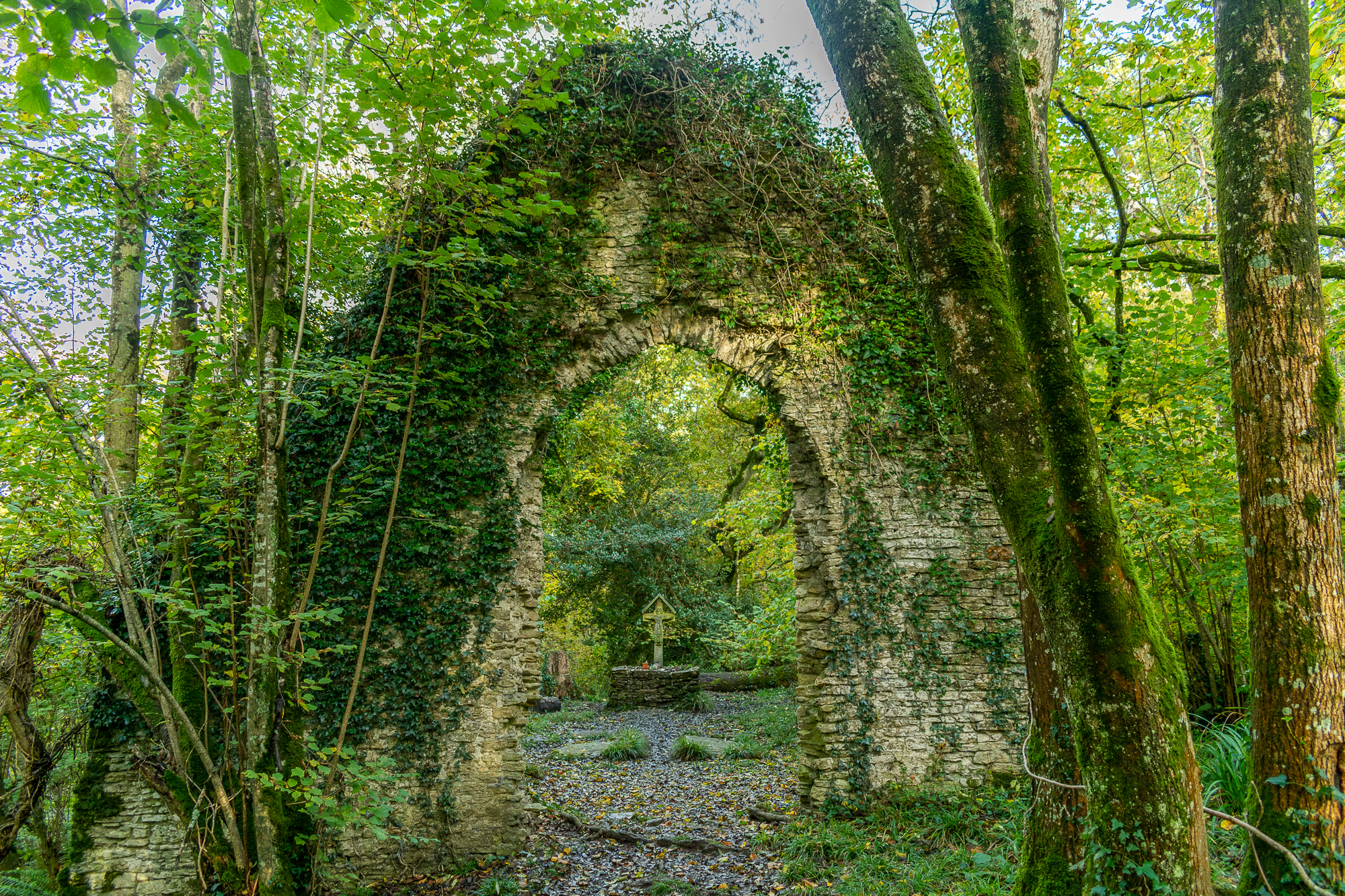


Pilgrimage is not just where you walk, but what you do when you get there
You can perform simple rituals and practices that deepen your experience, and these work best when coming from a place of gratitude, sincerity and joy.
This guide gives you things you can actually do at the start, along the way, and at the end.
"Walking is for the body, pilgrimage for the soul."
Before you set off
Begin with an intention
Pause before you start your journey. Dedicate your journey to something in your life: a question you are holding, a decision you need to make, a transition you are moving through, or simply a wish to be present in the moment. Or perhaps to a person (living or dead), to something you want help with, something you wish to celebrate or to simple gratitude for being alive. You may undertake pilgrimage at a moment of transition: separation from a loved one, finding a job, burnout, retirement or a celebration. It's yours, you don't need to say it aloud.
This is the beginning of pilgrimage.
This intention travels with you, even if you don't consciously think about it every step of the way.
Read more about what an intention is, and what pilgrimage means, in What is pilgrimage?
When you're walking
Walk differently
Slow your pace slightly. Notice small details: lichens on a stone wall, birdsong, the way light hits a field. Let conversation drop into silence at times. Allow thoughts to rise and pass without needing to solve them. Attend to the sounds, sights, smells around you. Feel your body.
Pilgrimage is not about getting somewhere quickly. It is about arriving more fully in yourself.
A contact relic (optional)
Some pilgrims carry a small object throughout the journey — a shell, a stone, a ribbon, something personal. At each holy place you might hold it, place it briefly on an altar, a tree or a wall. At the end, leave it somewhere meaningful (a cairn, a river, a churchyard, a crossing place, the seashore), or bring it home. The object gathers meaning and charge as you go.
On the Old Way, some pilgrims leave their stone at Canterbury; on the Golden Valley Pilgrim Way, tokens are placed at wayside crosses and chapels along the route.
At sacred and holy places along the way: what to do you when you arrive
You don't need to do everything at every place. Choose one simple action that feels right.
Most holy places in Britain are cared for by volunteers – sign the visitors' book, and leave a small donation if you are able. This is less the case for nature-based places, but you can still care for those too.
At places of worship
Churches, cathedrals, mosques, synagogues, temples, gurdwaras: pause at the entrance, before you cross the threshold into hallowed ground. Observe the customs of the space: remove shoes if required, cover your head, follow those around you. If this is your tradition, you are already at home: pray, sing a song or chant, give thanks, and do what you know.
When entering a churchyard, acknowledge the lych gate as the transition point from the secular to the holy. (A lych gate is derived from the Old English word for corpse. They were designed to shelter coffins and pallbearers awaiting the clergyman.)
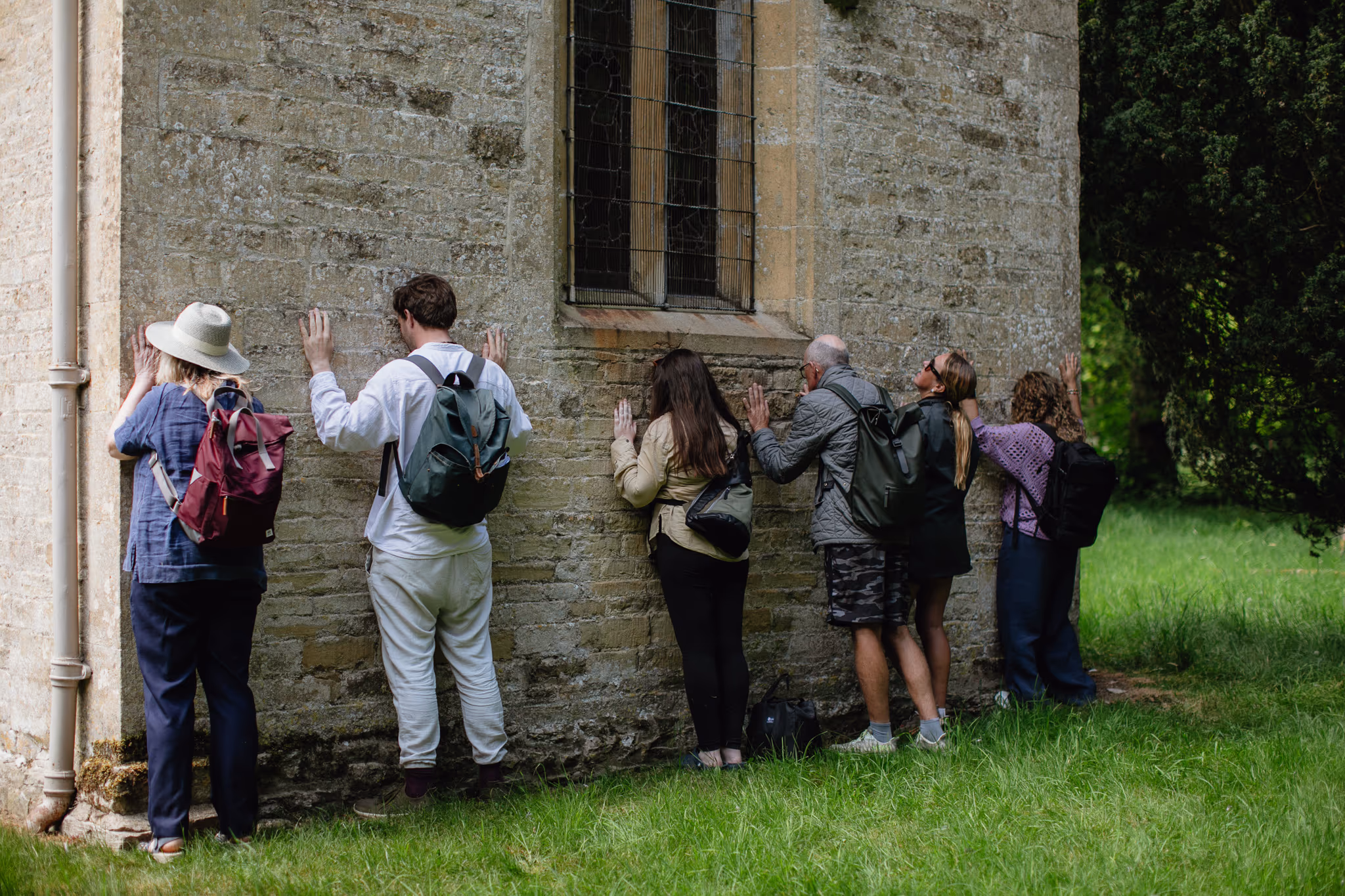
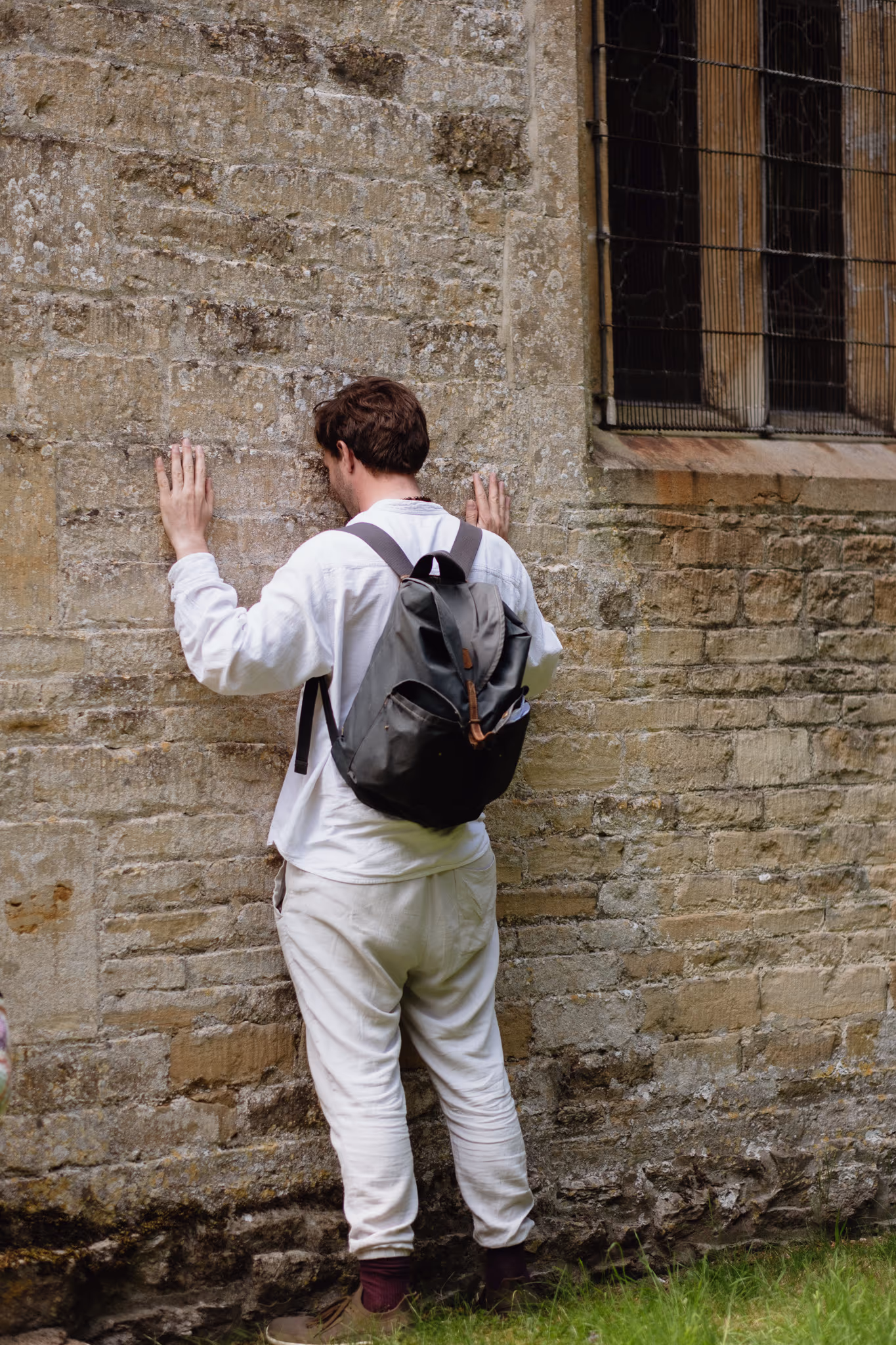
Especially if a church is locked, rest your forehead on the outside of the east wall of a church or cathedral. You will be standing directly behind the altar. Feel the power of centuries of prayer directed towards this wall. You can feel the whole building through your forehead and body.
If the place is not your tradition, but you are welcome to enter, sit quietly and let the building do what it will do with where you are at. Find your own connection with the place, in your own respectful way. Sign the visitors' book. Leave a donation if you are able.
At holy wells, rivers and springs
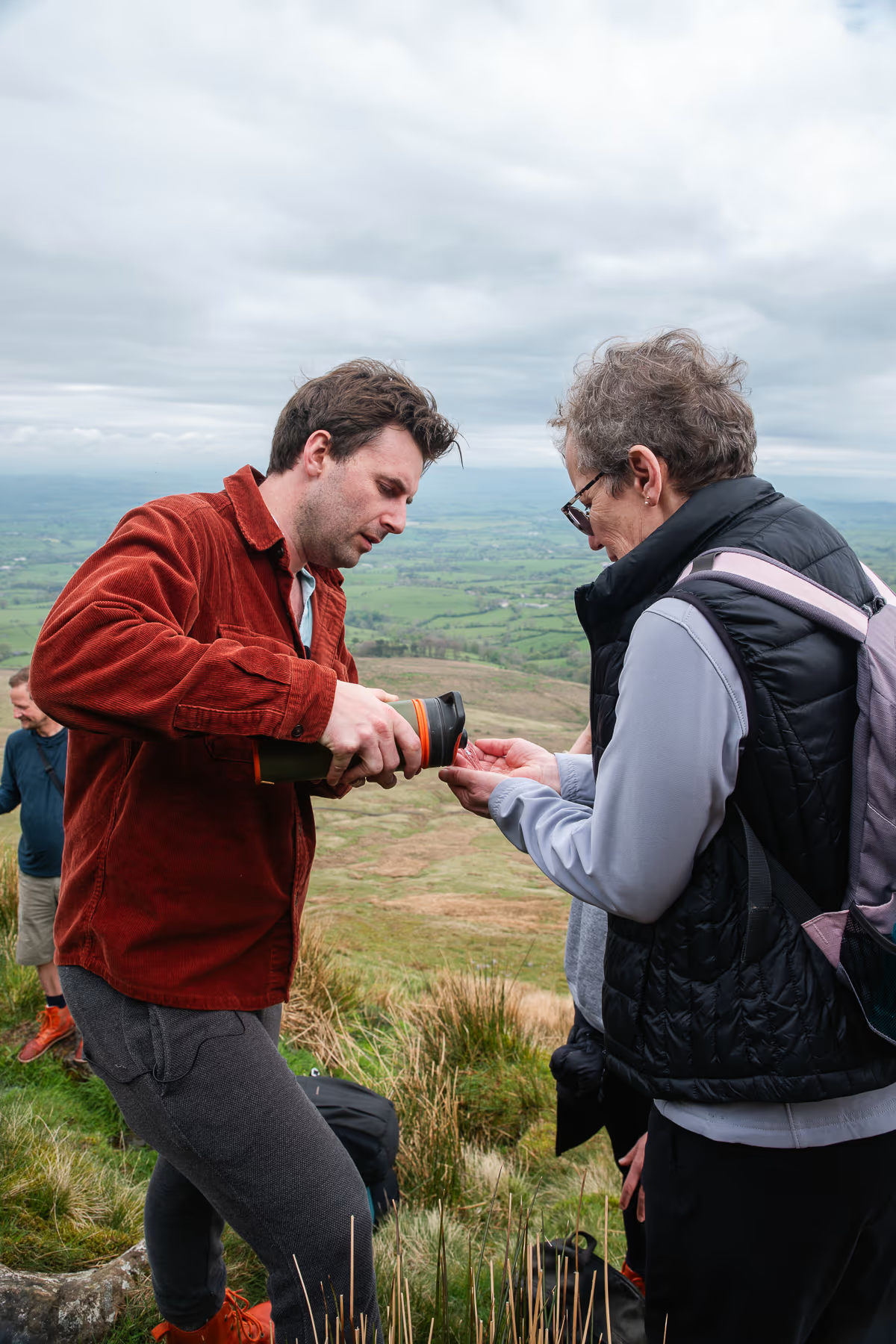
Touch the water. Wash your hands or face. If it is drinkable, at places like the Chalice Well in Glastonbury or the springs of the Malvern Hills, drink it. If you are not sure of the water's purity, filter it with a Grayl or Lifestraw water filter bottle to remove viruses, bacteria and other nasties. Imagine release and renewal, and drink in inspiration. Write a name on a leaf and release it downstream.
At river sources, drink in the inspiration and purity, and clean yourself. At river mouths, let go of your yourney and sense the death of the river as a merging with the sea.
At ancient trees
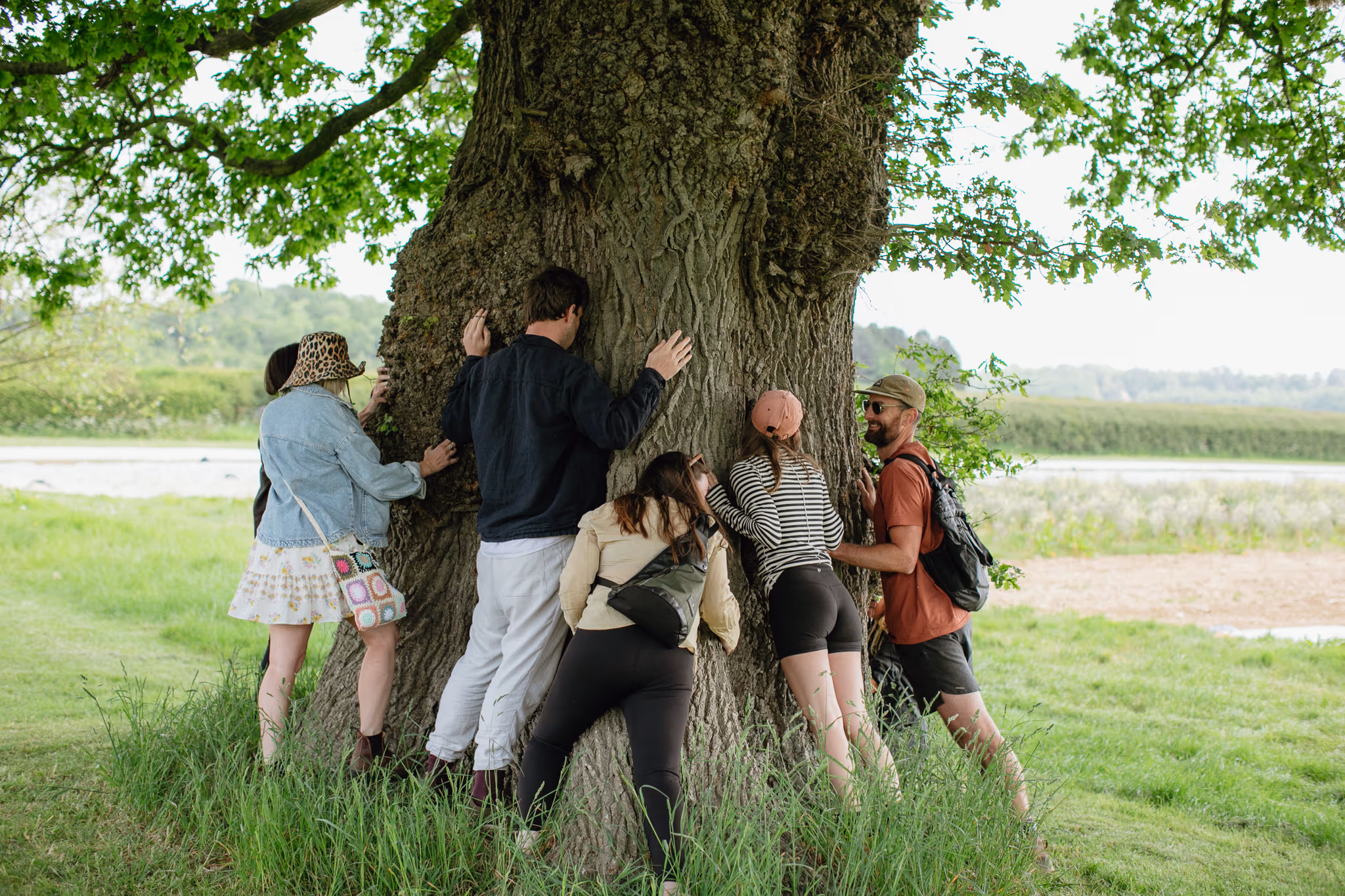
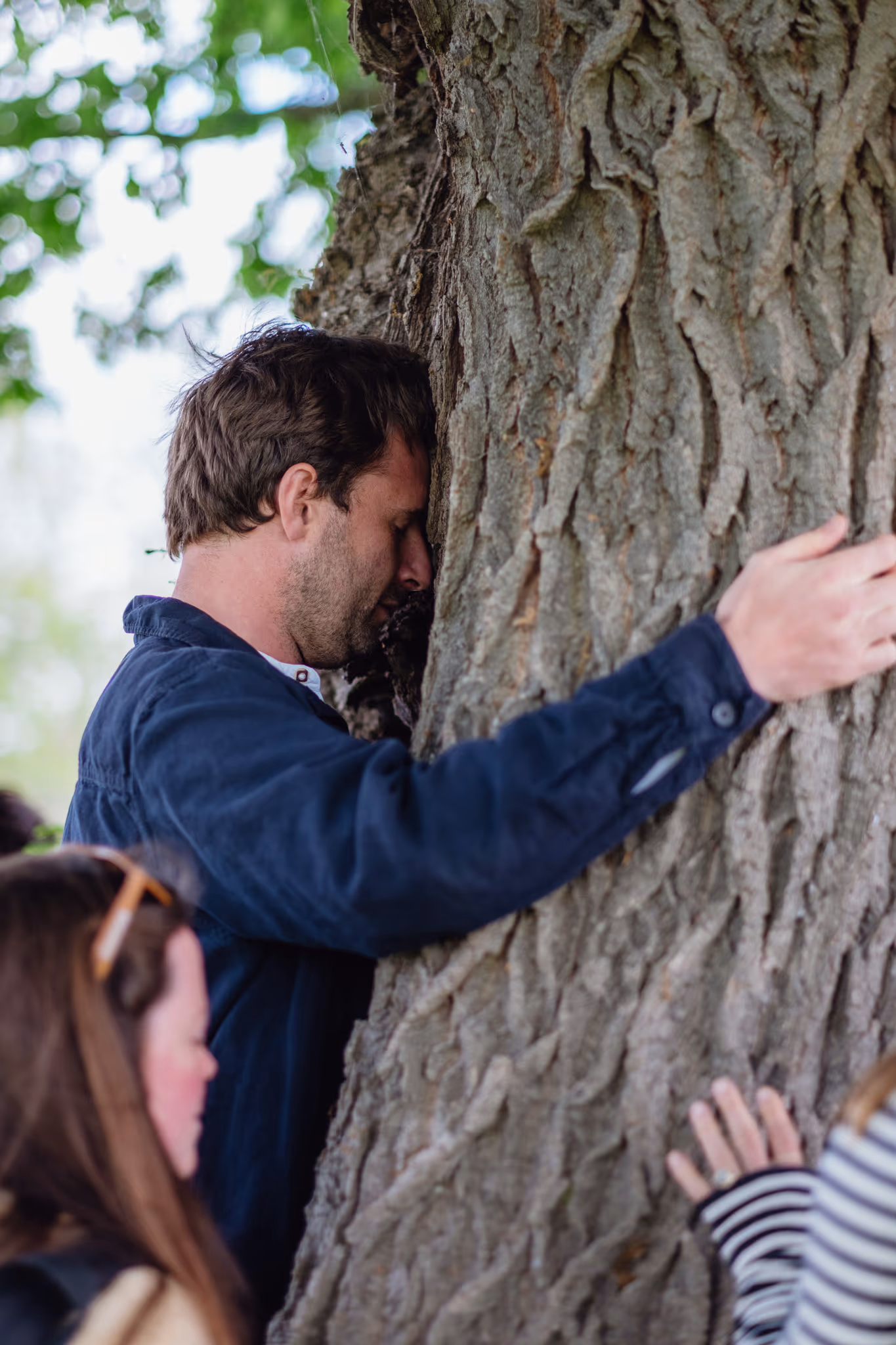
Say hello in your heart as you approach. Place a hand and/or forehead on the trunk. Feel the tree's stillness and aliveness. Ask the tree a question, but the answer may not be in English, and may rather come as a feeling. Some pilgrims tie a small piece of cloth, a 'cloutie', to a branch as a token of prayer or intention, but make sure it is biodegradable.
At prehistoric monuments
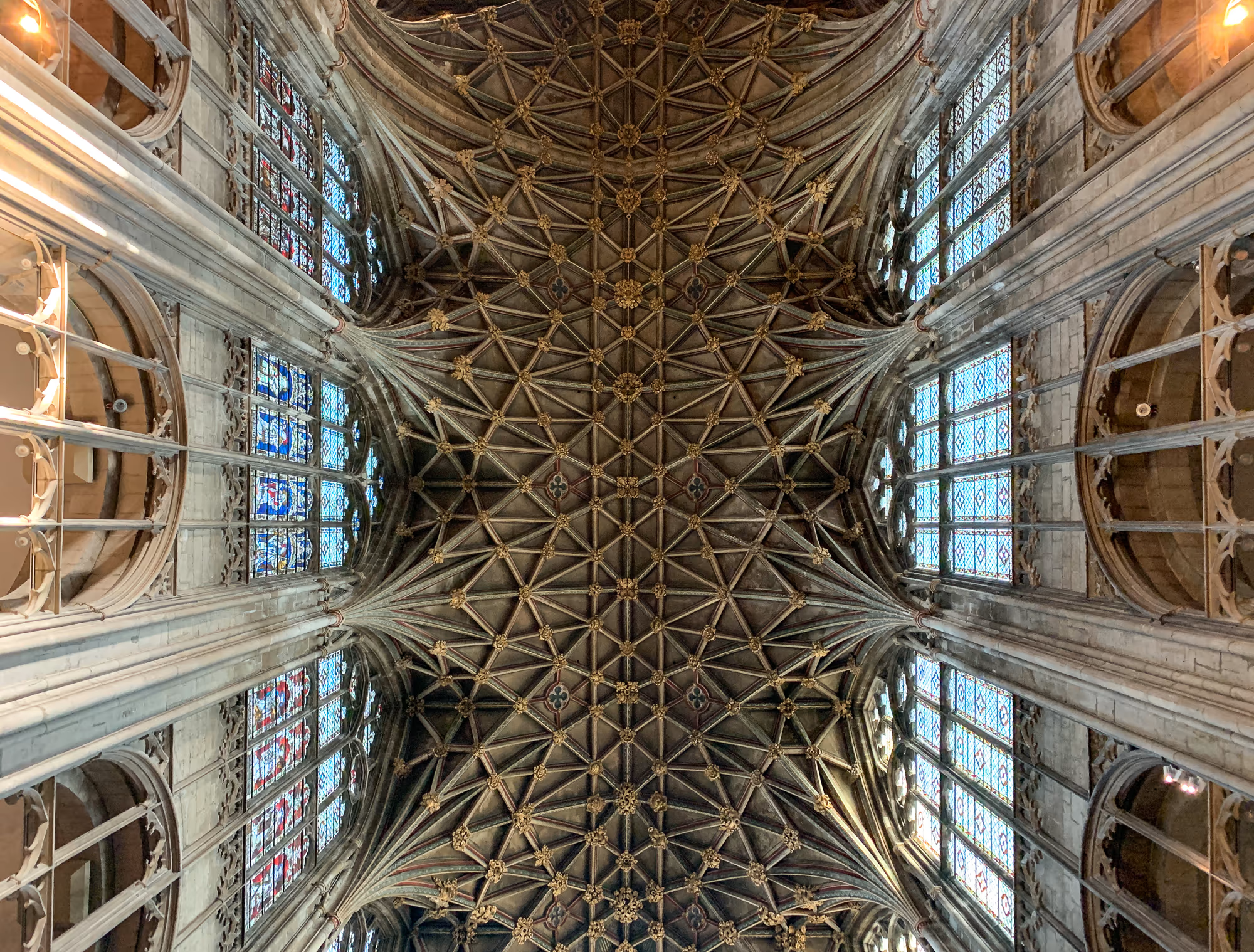
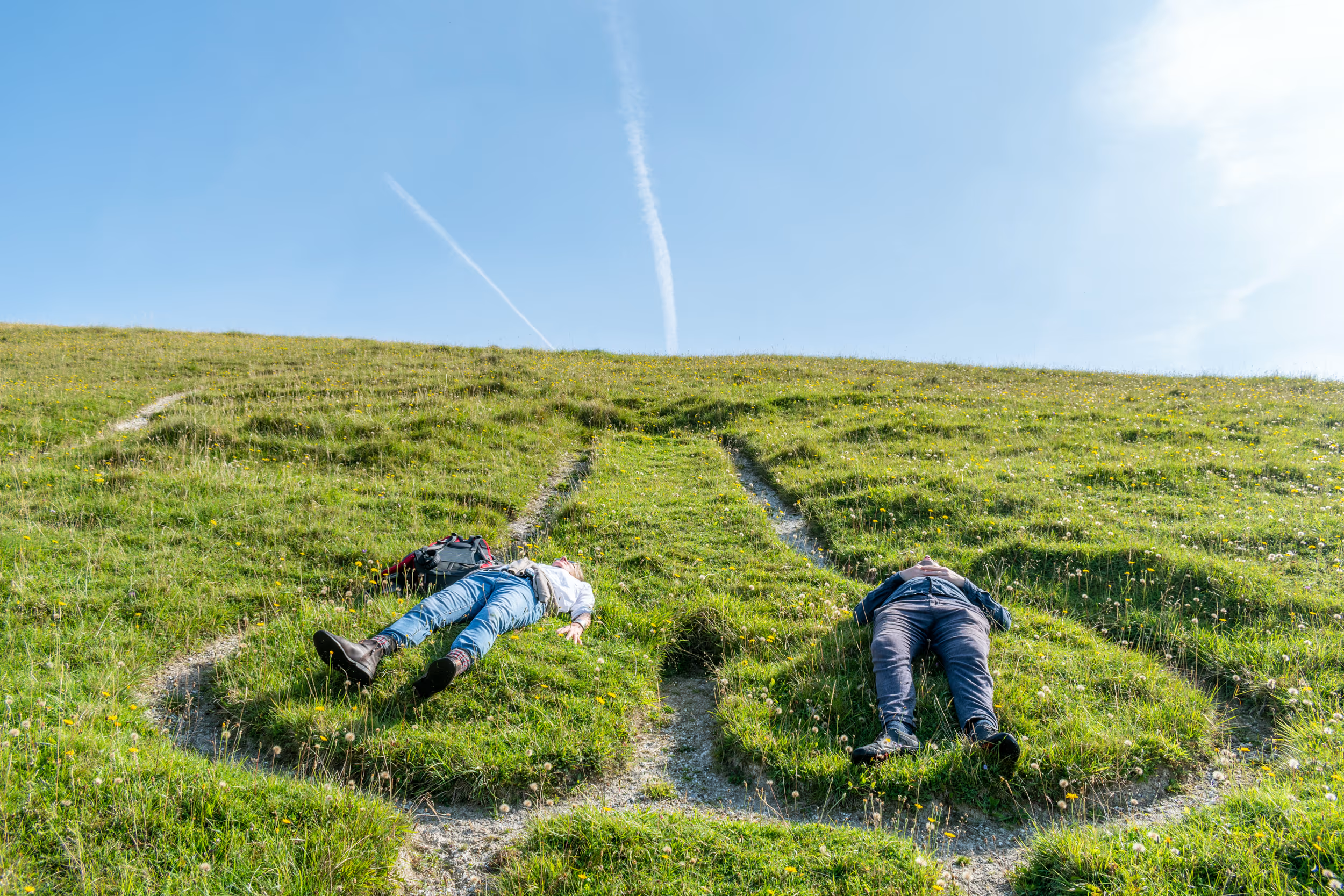
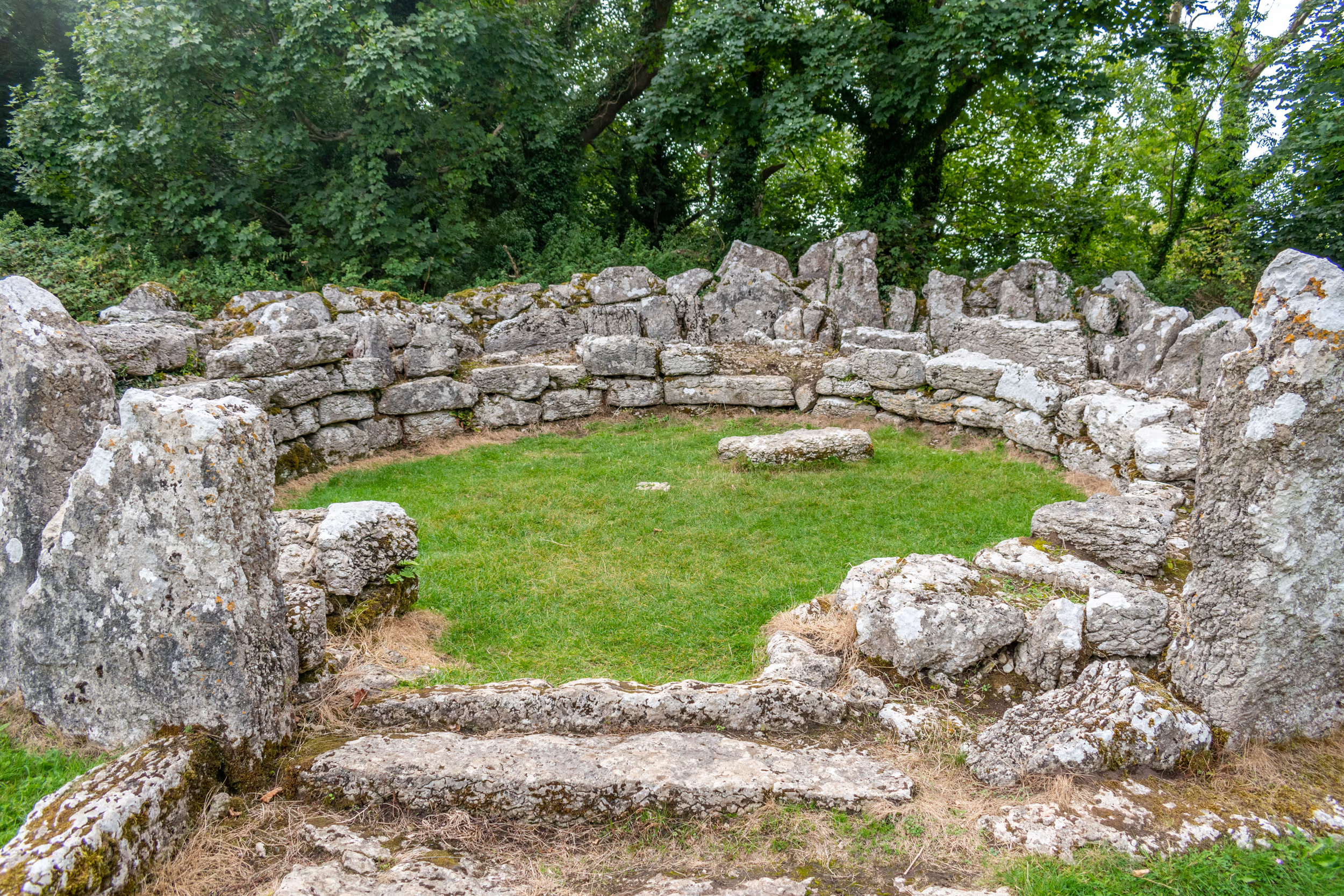
Walk slowly around (circumambulate) and touch the stones. Sit or lie down and look at the sky. You can try this in the nave of a cathedral too, imagining the ceiling as sky. Sense the ancestors who have come before you, and their ancestors too. These are rooting places.
At labyrinths
Walk slowly to the centre in silence, holding a question. Meet the centre as an oracular place. Then walk out, letting go of the need for an immediate solution. Labyrinths are found at several cathedral routes, including Canterbury, and some historic churchyards.
At war memorials and graves
Read names slowly. Acknowledge mortality and witness the diversity of those who have lived before you. Many pilgrimage routes pass through village churchyards where the dead of a whole community are gathered in one place.
At hilltops and islands
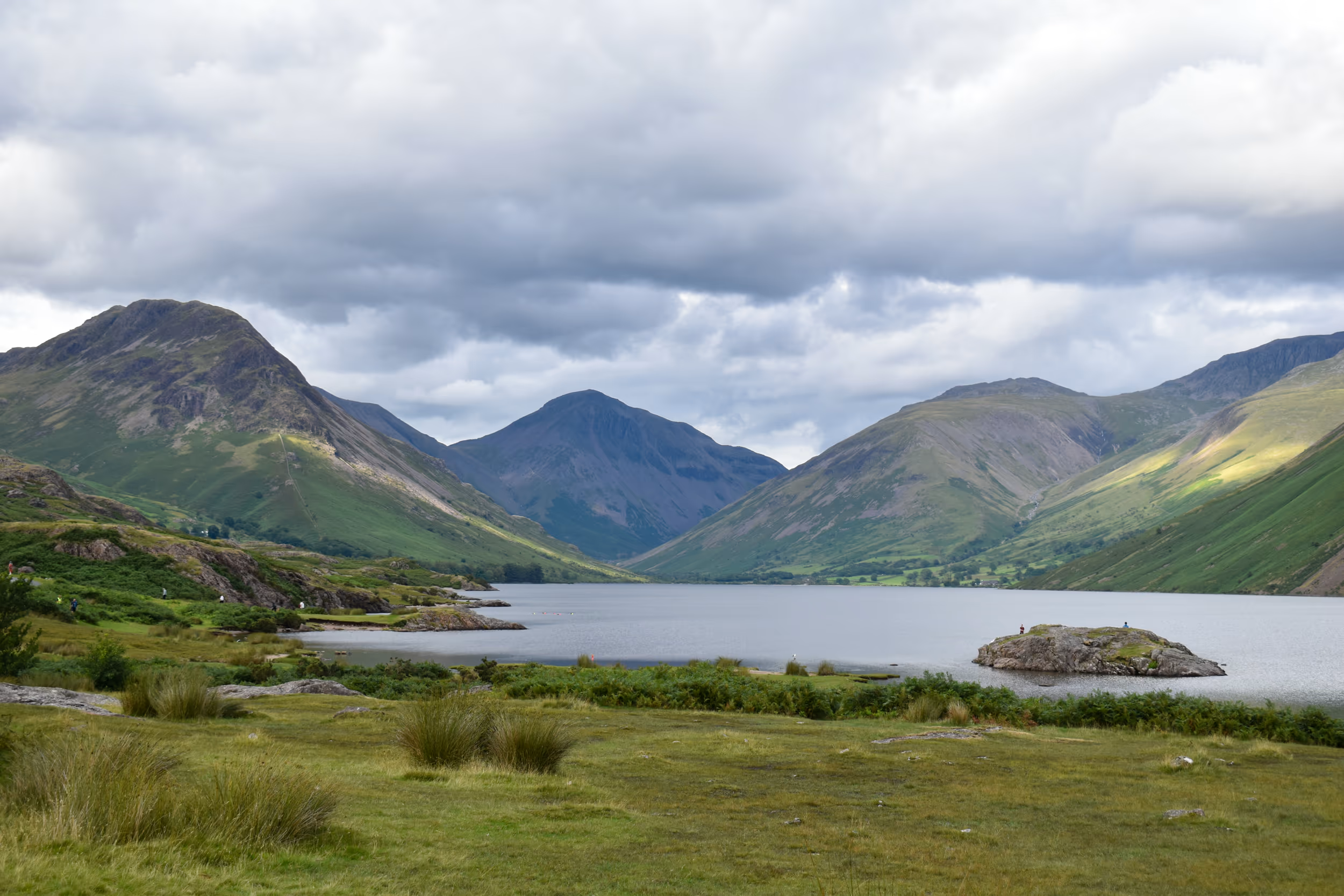
Take in the wide view and lie down to observe the sky. Feel exposure, wind, perspective. Mark arrival with stillness or a simple gesture: a stone placed on a cairn or a moment of thanks for the perspective given.
Stay a while on the island if you can.
At hermitages and caves
Sit in silence. Embrace enclosure. Caves and hermitages invite an inward turn: notice what arises when the outside world falls away, and you go into darkness.
Honour your own traditions
Pilgrimage has never belonged to one faith. Carry prayers, blessings or rituals from your own tradition, whether religious, cultural or familial, and bring them with you. A blessing before crossing a threshold, a phrase repeated in a language from home, a way of greeting the dawn: these are as old and as valid as any practice described here. The land doesn't ask for credentials. Use what you already know.
Simple practices to weave anywhere on the pilgrim path
None of these require anything to be carried. Return to them freely:
- Walk in silence for a stretch
- Sing or hum – especially in resonant spaces
- Name three things you are grateful for
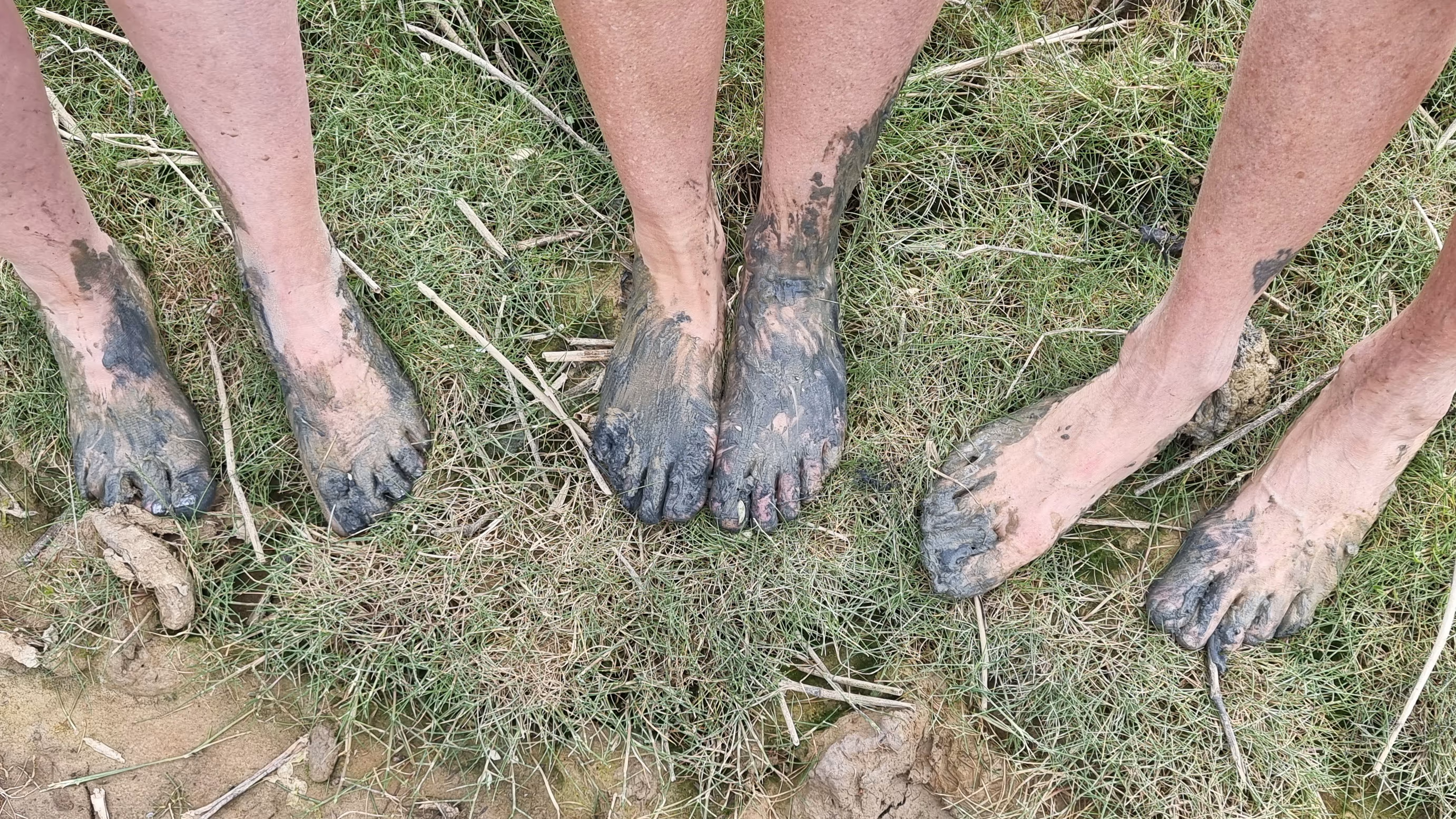
- Walk barefoot where it is safe to do so
- Read a poem or prayer aloud at a holy place
- Speak to a local – ask them about the place
- Look up and down – notice what is around you, small and large
- Stop at a view and stand there until it settles in
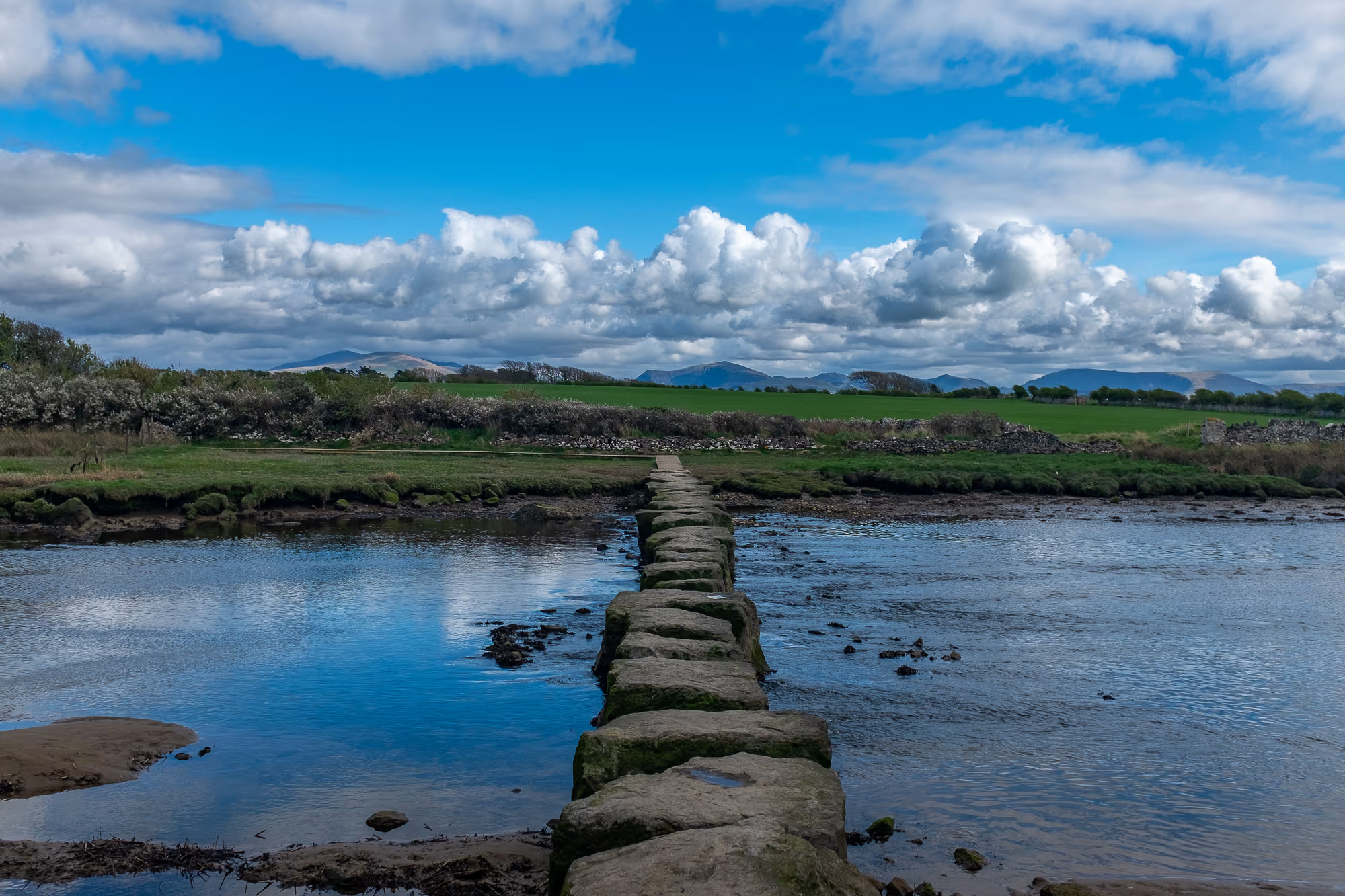
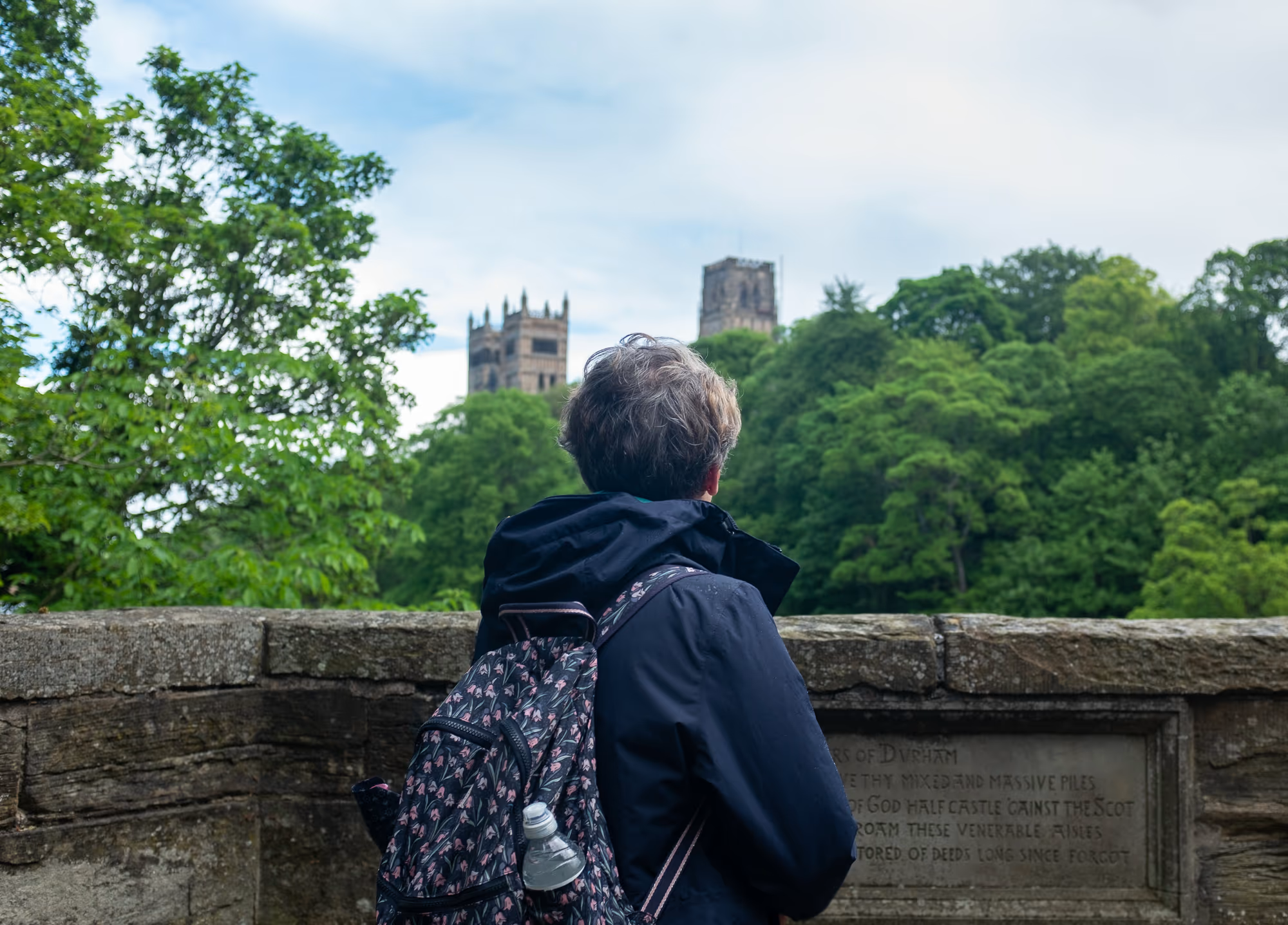
- On a bridge – send your intention upstream for what you want to achieve against the current; downstream for what you want to release, and inspiration you want to flow in.
At your destination
When you reach your final place, pause before leaving, and spend as much time as you can before you have to go. Return to your original intention. Notice what has shifted, even subtly. You might leave your stone or token, light a candle, or simply stand and take it in.
Pilgrimage does not require a dramatic transformation. Often it offers something quieter: a slight reorientation towards what matters. That is enough.
"If you want to understand the teaching of water, just drink." Zen saying.
The same is true of pilgrimage: stop overthinking it, and just go.
What is next for you?
Read How to plan and start your pilgrimage
Read Tips for the pilgrim novice for specific advice on kit, distances and how to read the landscape as you walk.
Browse routes near you on the map to find a first pilgrimage.
If you'd like to try practices with others before going solo, join one of our events.
Or simply ask yourself: where, in Britain, do I most want to arrive on foot? Start there.

.svg)

_.avif)

Further reading



.svg)
Comments
0 Comments
Login or register to join the conversation.
Tom Jones
Lorem ipsum dolor sit amet, consectetur adipiscing elit. Suspendisse varius enim in eros elementum tristique. Duis cursus, mi quis viverra ornare, eros dolor interdum nulla, ut commodo diam libero vitae erat. Aenean faucibus nibh et justo cursus id rutrum lorem imperdiet. Nunc ut sem vitae risus tristique posuere.
Tom Jones
Lorem ipsum dolor sit amet, consectetur adipiscing elit. Suspendisse varius enim in eros elementum tristique. Duis cursus, mi quis viverra ornare, eros dolor interdum nulla, ut commodo diam libero vitae erat. Aenean faucibus nibh et justo cursus id rutrum lorem imperdiet. Nunc ut sem vitae risus tristique posuere.