.svg)

Toward an inclusive folk: belonging, culture and the commons in modern England
02
Oct
,
2025
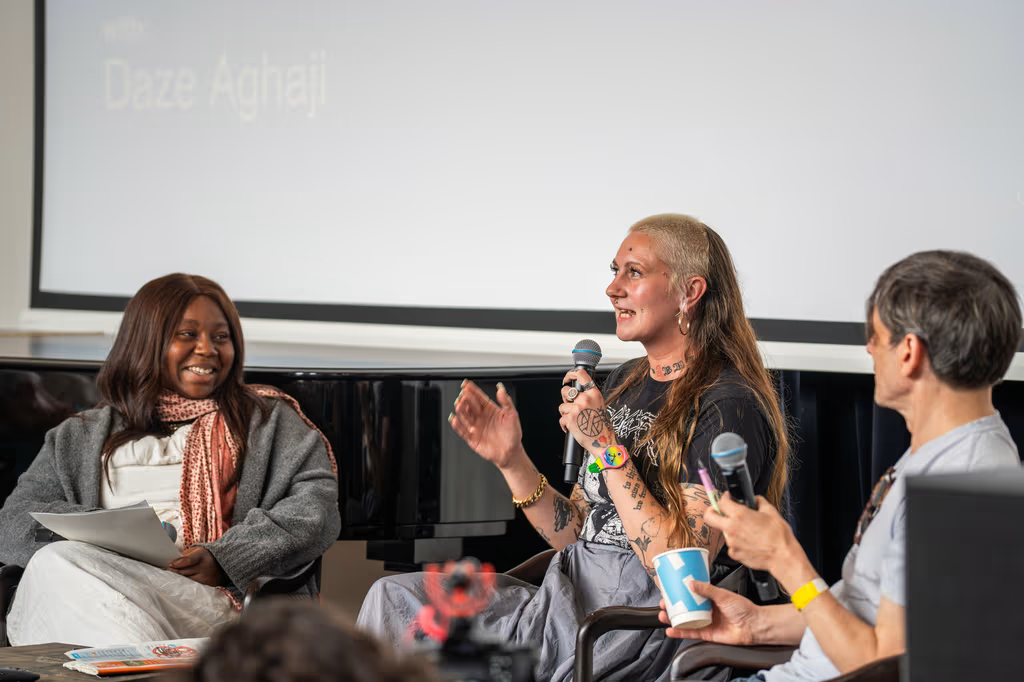


Toward an inclusive folk commons — panel discussion at the Pilgrimage Gathering 2025
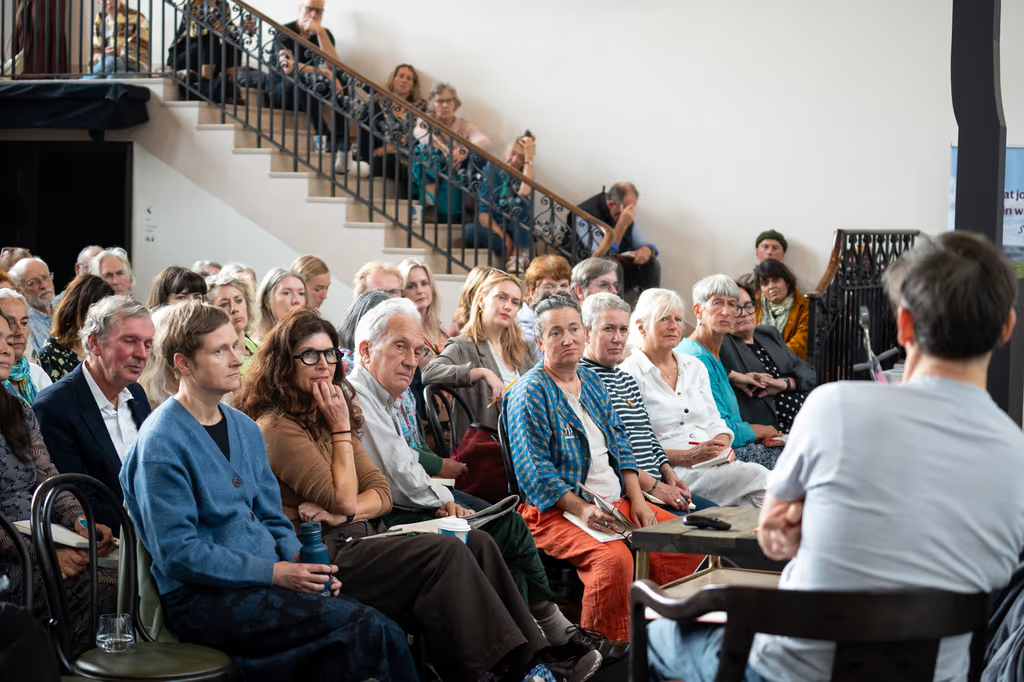
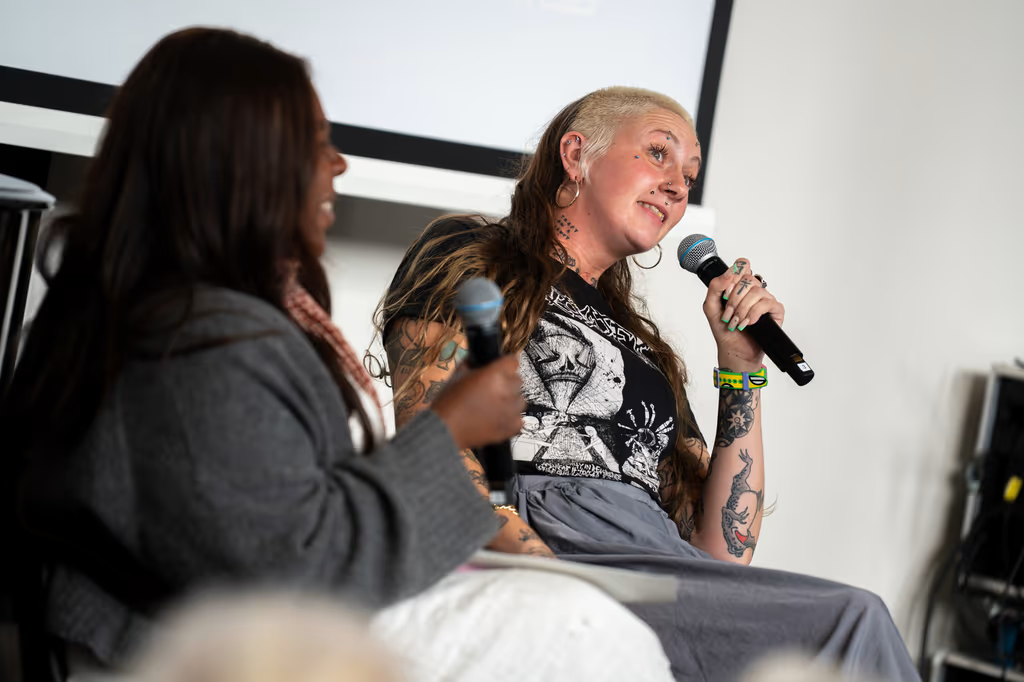
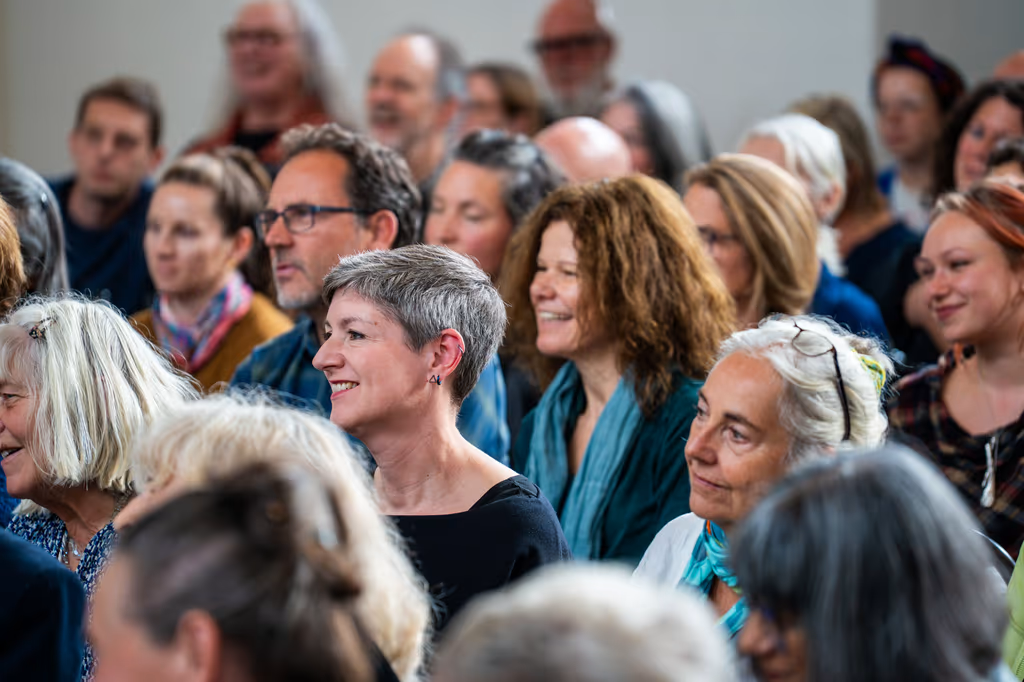
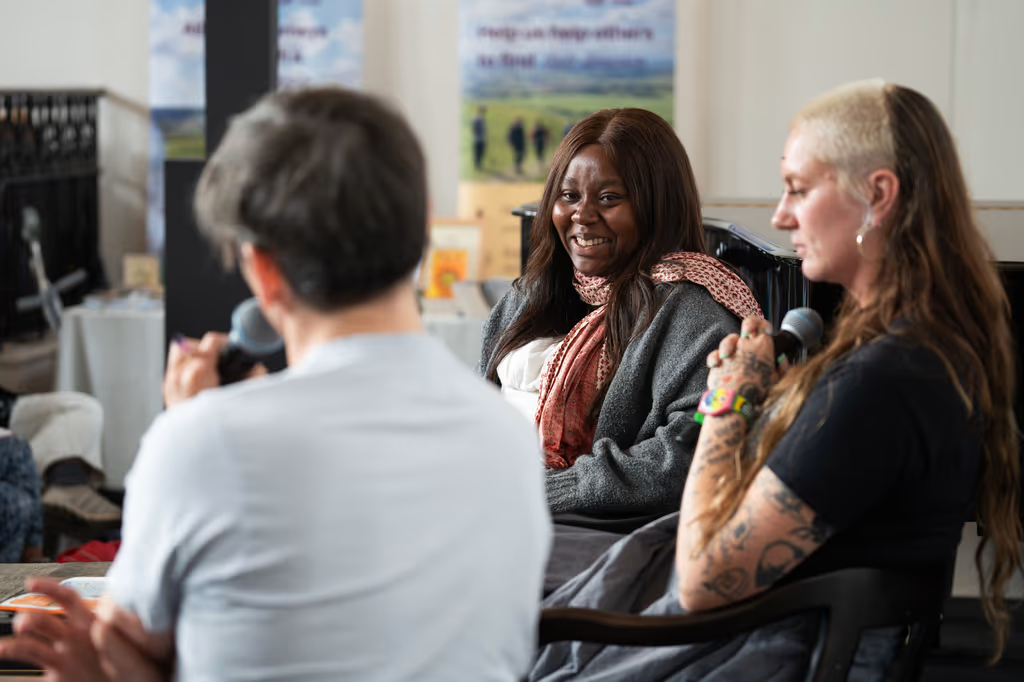
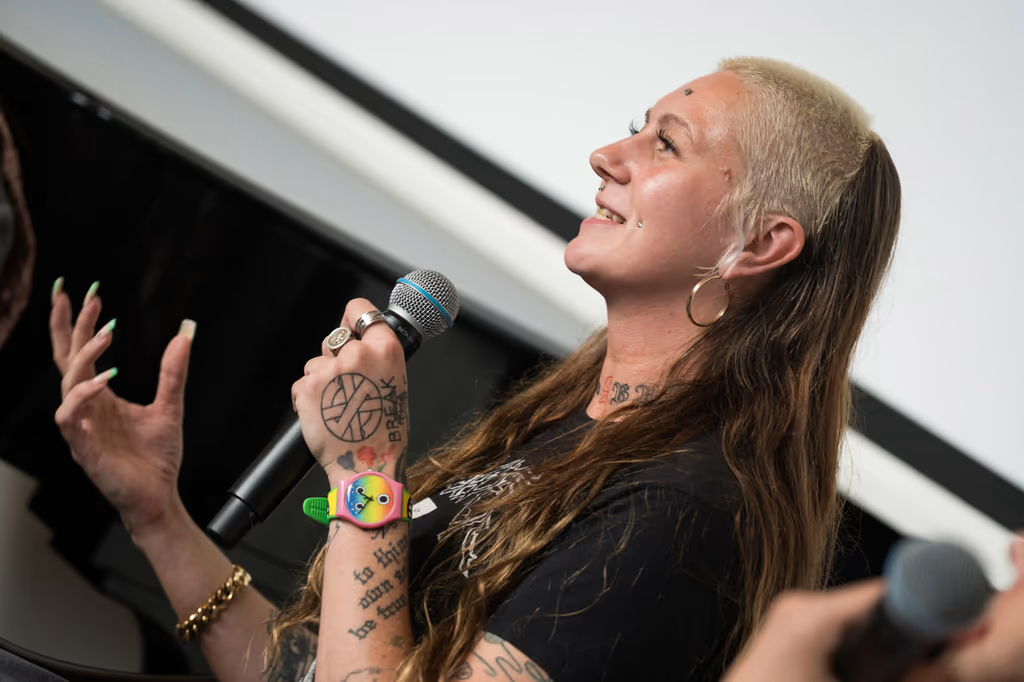
At the Pilgrimage Gathering 2025, a panel discussion titled Exploring the Archaic Folk Revival delved into how folk culture in Britain is not only being remembered, but reimagined. Chaired by environmental activist and British Pilgrimage Trust trustee Daze Aghaji, the conversation brought together artist Jeremy Deller and folk ballad singer and historian Jennifer Reid. What unfolded was a vibrant, emotional and often humorous exploration of how ancient traditions can ground, disrupt and bind us more deeply to land, labour, and each other.
This page summarises what the panellist covered, but there is so much more to hear. So we encourage you to watch the full video below!
Folk Is the People
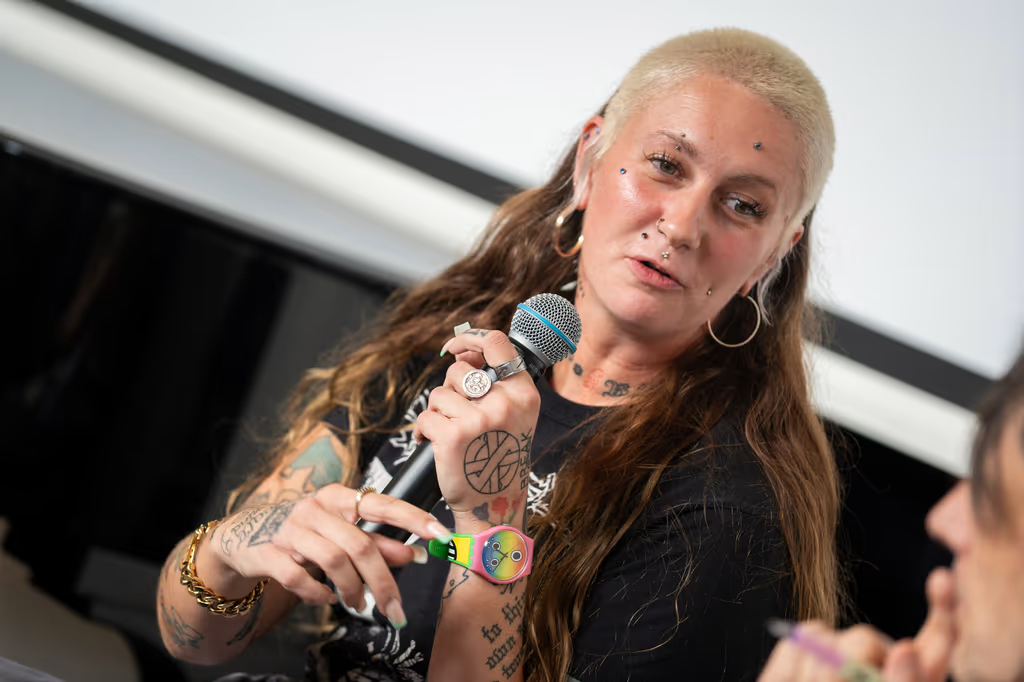
Asked to define folk, Jennifer Reid cut to the heart of it: "Folk is about people." Known for collecting and singing Industrial-era work songs in the Lancashire dialect, Jennifer treats folk not as entertainment, but as a form of social repair. Her performances, often alongside original archival materials, create live encounters with history that challenge passive consumption. "You don’t just get to enjoy hearing me sing," she said. "You get to learn something, apply it, and go act on it."
Jeremy Deller, known for works such as the Battle of Orgreave reenactment and Sacrilege (a life-size inflatable replica of Stonehenge), agreed. "Folk is of the people," he said, "and not manufactured or for profit."
Both panellists insisted that folk traditions belong to everyone, not just the elite, and certainly not only in the past. As Jeremy put it, "People need to gather together and celebrate something. Even if they don’t know exactly why."
People need to gather together and celebrate something. Even if they don’t know exactly why. Jeremy Deller
Living Rituals and Folk Rewiring
The panel traced folk revival as something cyclical — and currently booming, especially among younger people. Jeremy attributed this in part to the internet: folk customs, once hidden in remote towns, now proliferate online, inspiring new iterations. Deller’s Art of Triumph project brought together all-female Morris dancers, stone circles, and drum-and-bass in the centre of Trafalgar Square - a joyful pagan collision of past and present.
Jennifer’s new album, The Ballad of the Gatekeeper, embodies this spirit of remixing. It combines archival poetry with new songs that address trans rights, ecological consciousness, and the enduring politics of labour. "Folk isn’t of the old people," she declared. "It’s of the people. And scallies need to know that folklore includes them. My thing at the moment is just getting scallies into folklore. I need to get all the scallies between the ages of 13 and 18 into folklore The JD bag in the car park is folklore."
Land, Enclosure, and the Right to Belong
One of the most powerful threads of the conversation was the theme of land and belonging. Daze spoke about pilgrimage as a way to reclaim the right to walk and belong to the land. Jeremy agreed, noting that many of Britain's problems stem from deep-rooted land inequality, from the Norman enclosures to modern housing crises. Jennifer brought up Three Acres and a Cow, a travelling folk show about land rights, which she now performs in northern towns at risk of political division.
Jeremy described Stonehenge as a kind of cultural mirror: "Everyone sees what they want in it." In that ambiguity lies both its power and its vulnerability to appropriation.
The panel acknowledged how folk culture has at times been weaponised - from blackface traditions to its co-option by far-right groups. But they insisted that folk, done right, can instead be a radical expression of shared culture and inclusive memory.
Commons, Comedy, and Community
Jennifer’s reflections were rich with humour and radical warmth. From singing Rochdale dialect songs about Victoria Bridge to parking in the same spot in Bolton retail parks as a grounding ritual, she redefined folk as "these little rhythms we live by."
Jeremy agreed that not all spiritual connection happens in the countryside. Sometimes, transformation lives in the tarmac.
Daze observed how closely protest, folk, and pilgrimage align: all involve walking, intention, and community. The conversation frequently returned to the idea of the commons - not just shared land, but also shared stories, songs, and rituals. Jeremy’s work with Ed Hall, Britain’s leading banner maker, highlighted how visual culture - beautifully stitched, collective, and portable — helps people carry their values through space and time.
Toward a More Inclusive Folk
As the panel concluded, Jennifer said the greatest reward of her work was hearing from women who had started singing or writing because of her example. Her goal, she said, isn’t just to entertain, but to pass the songs along - with context. "It’s like a rope under the sand," she said. "You keep yanking, seeing how far it goes back."
This panel had laughter, Lancashire pride, Stonehenge metaphors, and deep feeling for the ordinary places that carry memory. In their vision, folk is not a relic, but a living, pulsing thing. And it doesn’t just belong to the past but to all of us living now.
"That balloon up there touching the roof is folklore, because all these rhythms that we live by, these are what we need to understand. Folk isn't of the old people, it's of the people. So what you experience is valid, and it is folklore." — Jennifer Reid
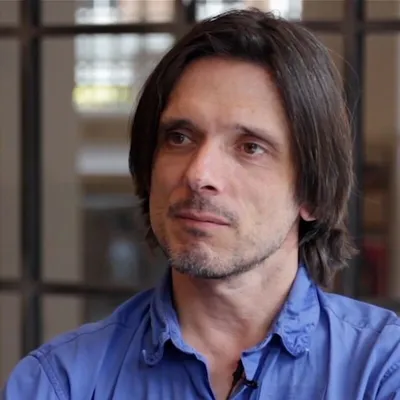
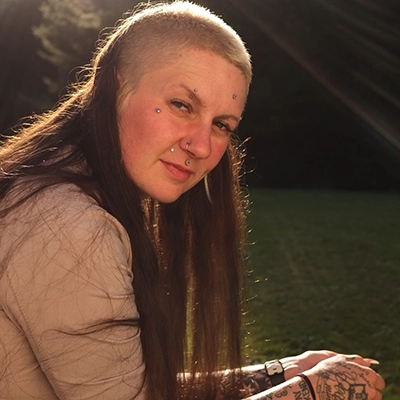
The Panellists
_small.avif)
.svg)




Further reading

.svg)
Comments
0 Comments
Login or register to join the conversation.
Tom Jones
Lorem ipsum dolor sit amet, consectetur adipiscing elit. Suspendisse varius enim in eros elementum tristique. Duis cursus, mi quis viverra ornare, eros dolor interdum nulla, ut commodo diam libero vitae erat. Aenean faucibus nibh et justo cursus id rutrum lorem imperdiet. Nunc ut sem vitae risus tristique posuere.
Tom Jones
Lorem ipsum dolor sit amet, consectetur adipiscing elit. Suspendisse varius enim in eros elementum tristique. Duis cursus, mi quis viverra ornare, eros dolor interdum nulla, ut commodo diam libero vitae erat. Aenean faucibus nibh et justo cursus id rutrum lorem imperdiet. Nunc ut sem vitae risus tristique posuere.