.svg)

Nature Restoration through Pilgrimage: how this works
02
Oct
,
2025


Nature Restoration through Pilgrimage
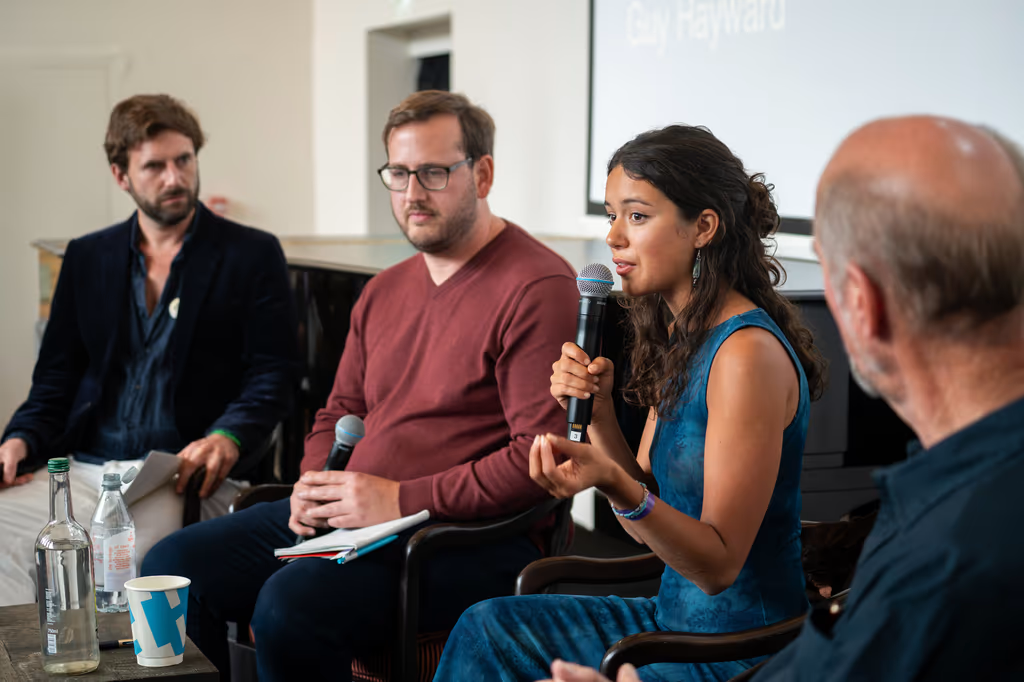
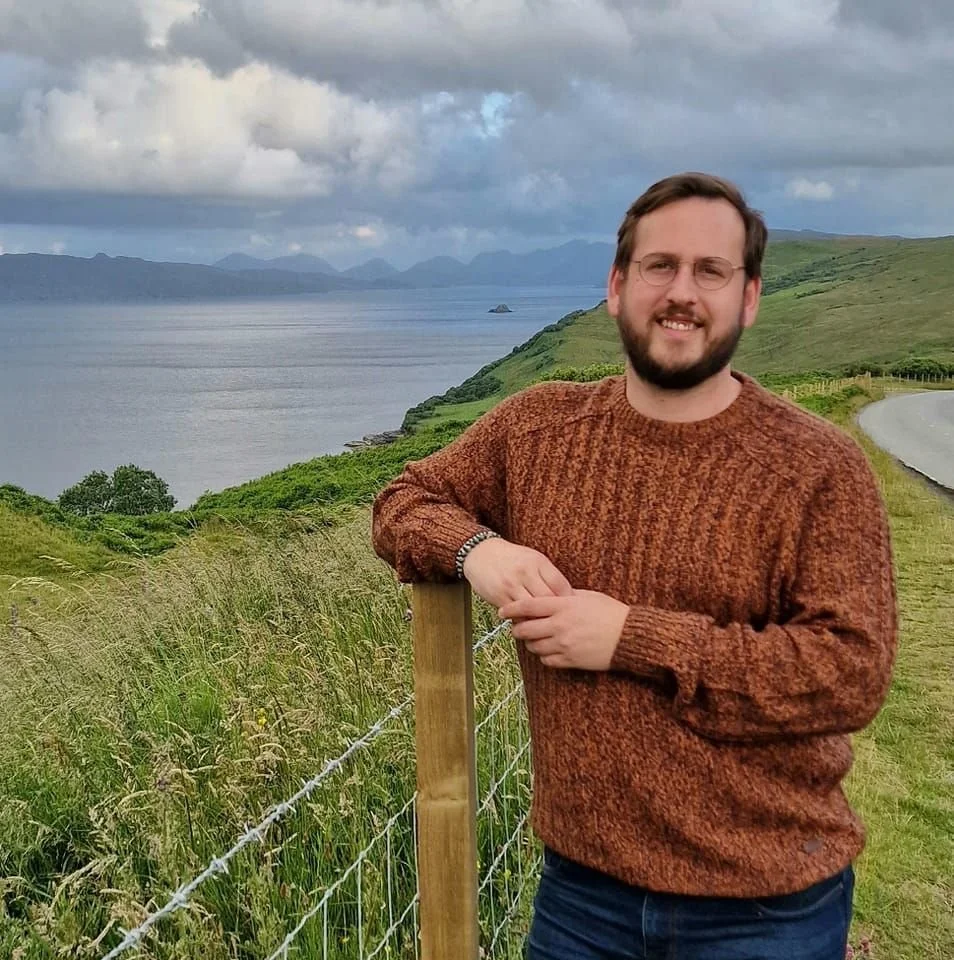
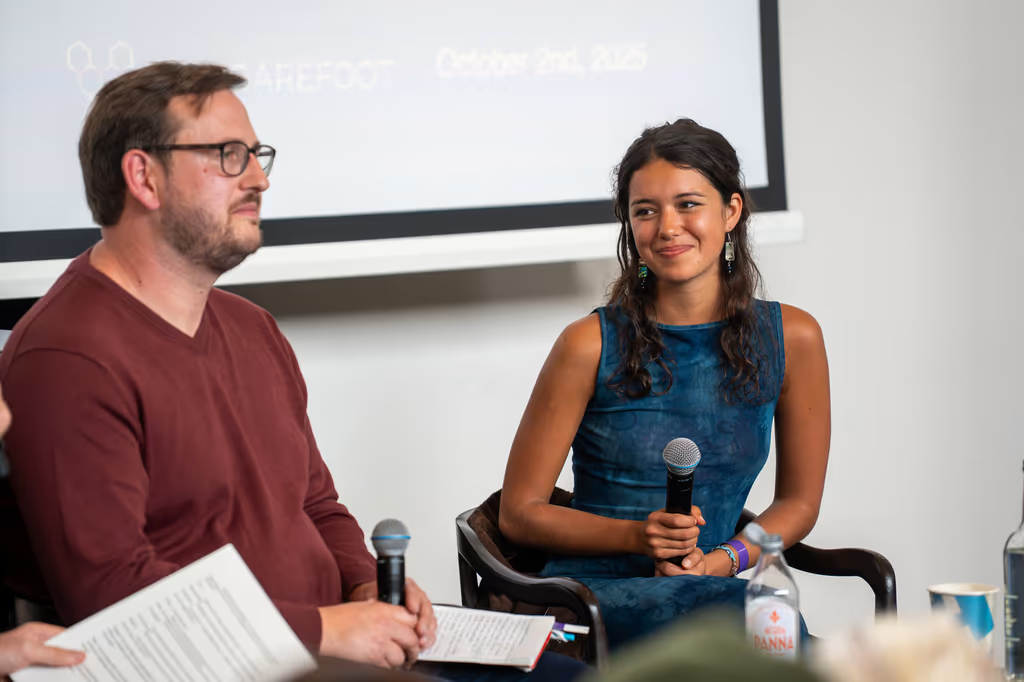
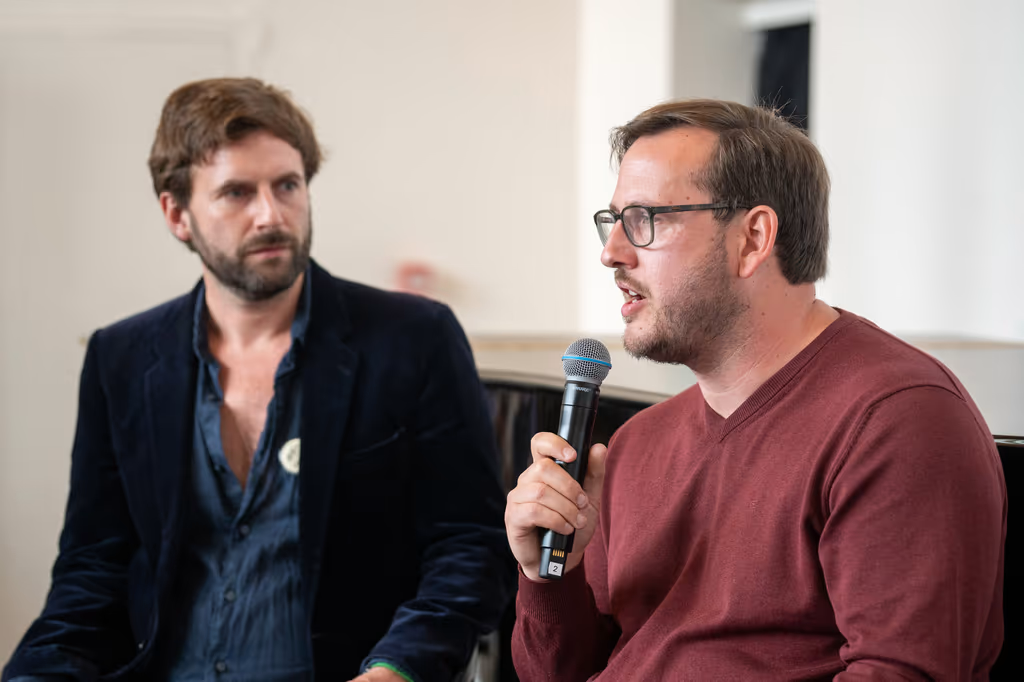
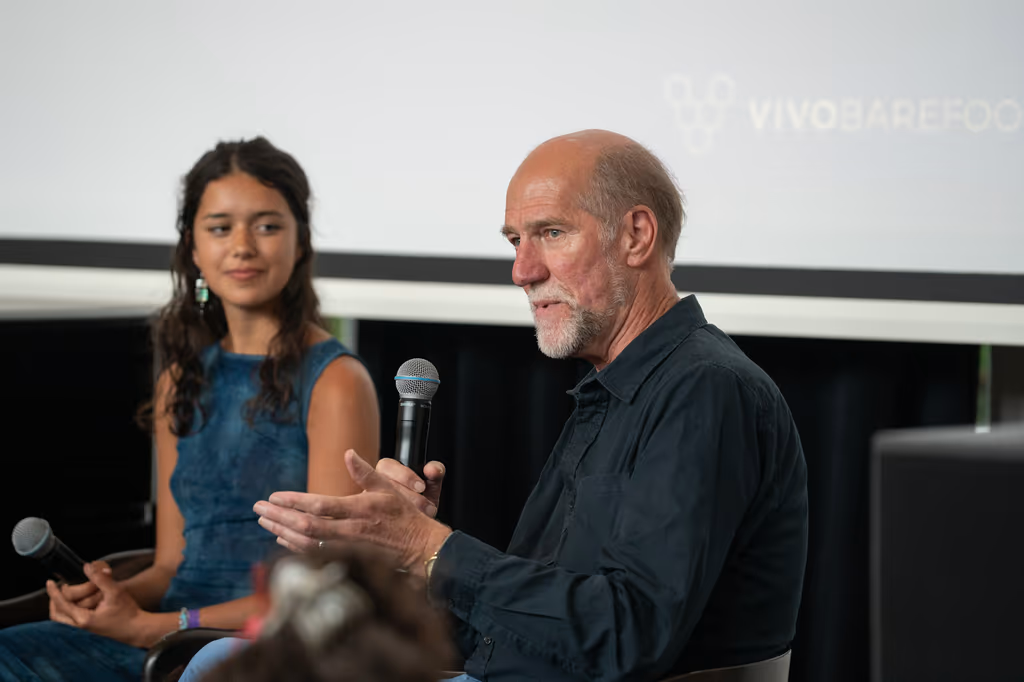
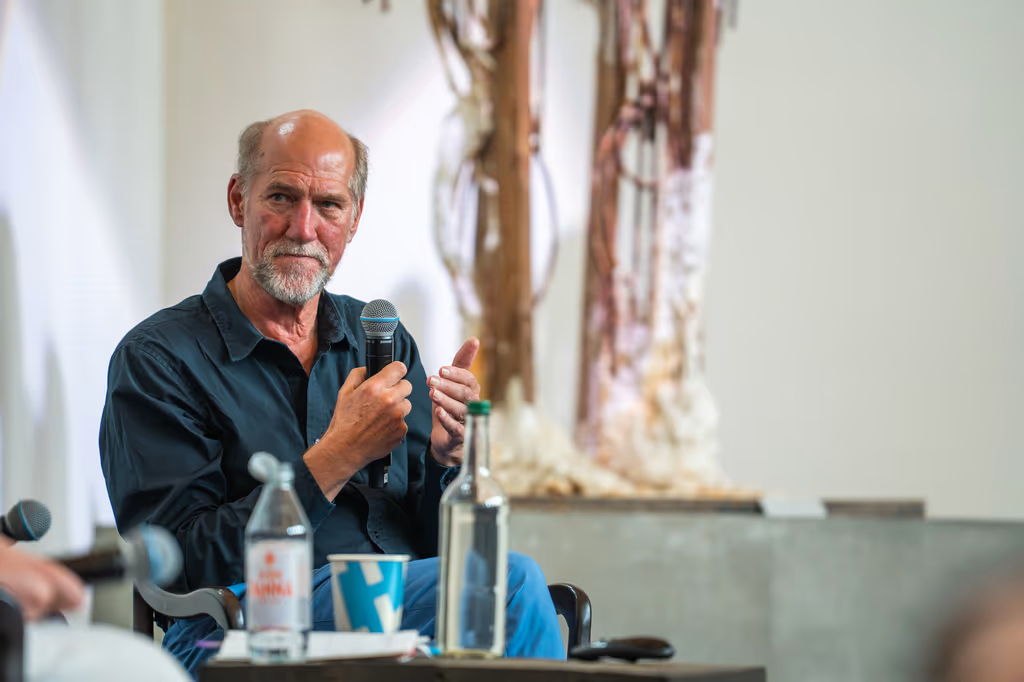
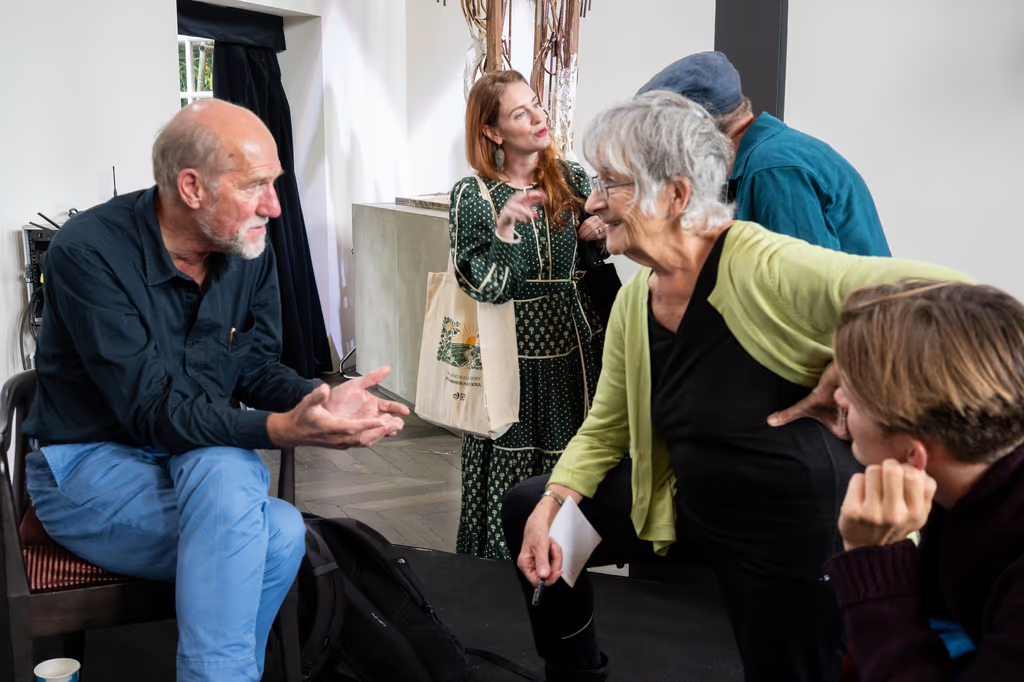
At the Nature Restoration through Pilgrimage at the Pilgrimage Gathering 2025, panel, Guy Hayward led a conversation with Martin Palmer, Zofia Page, and Jonathan Weekes on how walking with reverence can heal both people and planet. From Martin’s global Green Pilgrimage Network to Zofia’s nine‑day Friends of the River Medway pilgrimage and Jonathan’s Sacred Earth Activism, the discussion explored how devotion, ceremony, and practical action unite to restore the balance between humanity and the living world.
This page summarises what the panellist covered, but there is so much more to hear. So we encourage you to watch the full video below!
The Global View: Pilgrimage as Stewardship
Martin Palmer has spent decades working at the intersection of faith and ecology, advising world leaders and founding the Green Pilgrimage Network, which now operates in nearly 90 countries. His story began with an encounter with the late Prince Philip, who, as head of WWF, realised that data alone would not save the planet: “If it were data that was going to save us, we’d have done it by now. What changes people are stories.”
Palmer described projects where sacred pilgrimage is being reshaped to tread more lightly on the Earth. The Greening the Hajj initiative, for instance, replaced 100 million plastic bottles with refillable gourds made by women’s cooperatives in Pakistan, transforming devotion into a sustainable practice. In Mongolia, mapping 850 ancient Buddhist sutra sites revealed that centuries‑old spiritual taboos—“don’t cut the trees on this side of the mountain or the Goddess will flood your village”—align almost exactly with modern ecological data. Restoring those sacred places has, in turn, restored local ecosystems.
“The challenge,” Palmer said, “is that pilgrimage has grown so popular it risks destroying the very thing it seeks. We need to walk more gently, in partnership with local communities and faiths, or our devotion becomes consumption.”
The River as Teacher: Pilgrimage and the Rights of Nature
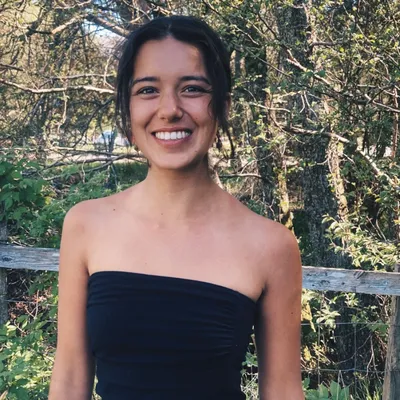
Zofia Page, co-founder of Friends of the River Medway, shared a living example of that partnership. Her nine‑day pilgrimage along the River Medway traced the river from its source to the sea, bringing artists, citizens, and councillors together in a shared vow of care.
Framing the journey as a pilgrimage, she said, “invited reverence.” Participants slowed down, noticed kingfishers and ripening blackberries, and began to feel the river as a living being: “Reading that rivers sustain us is one thing. Eating a blackberry whose roots drink from the Medway is another—you know you are the river.”
Along the way came art installations, compost‑toilet experiments to spark dialogue about sewage pollution, and water ceremonies that bridged activism and devotion. The pilgrimage culminated at the Thames estuary, where gold offerings and a sculpted “Sun Drop” were launched to sea amid song. Local councils later met—many for the first time—to discuss granting legal rights to the river.
For Zofia, the secret lay in balancing “the practical, the legal, and the sacred.” Data and litter‑picks alone cannot change hearts; ceremony alone cannot change policy. Together, they form a model for ecological restoration rooted in love and reciprocity.
The Ceremonial View: Healing Separation
Jonathan Weekes, co‑founder of Sacred Earth Activism, spoke about pilgrimage as a response to what he called “a cultural sickness of separation.” His work weaves ceremony into climate and land campaigns, seeking to “heal the rift between ourselves, our communities, and the more‑than‑human world.”
He described how walking the land as ritual—rather than recreation—builds relationship: “Many crises stem from forgetting that the world is alive. Pilgrimage invites us back into that conversation.” His group is drafting a Sacred Lands Charter to give formal recognition and protection to landscapes of spiritual and ecological significance, such as the Stonehenge corridor, where ancient sanctity has preserved rare species like the stone‑curlew.
“We won’t protect what we don’t love,” Weekes said, “and we won’t love what we don’t know. Pilgrimage helps us to know again.”
From Global Policy to Local Ceremony
Together, the three perspectives formed a holistic vision: global networks need local devotion; local acts need supportive laws. Palmer argued that modern environmentalism has “sold its soul for metrics,” while faith traditions still understand the sacred circle of life. Weekes and Page echoed that change must happen on both inner and outer levels—policy supported by awe, activism supported by ceremony.
Page described how even sceptics on her river walk found transformation through simple rituals: “They might not believe their prayer changes the river, but they feel changed themselves.”
Palmer reminded the audience that sacred reawakening happens fast once space is made for it. After decades of repression, Daoist temples in China and Mongolia have revived overnight, restoring both spirit and soil. “When faiths rediscover their sacred relationship with land,” he said, “it’s as if the gods and goddesses re‑emerge from slumber.”
Walking as Devotion
The panel closed with reflections on what makes a pilgrimage truly restorative. For Zofia, it was embodiment: “When you feel something in your body, you can’t unfeel it. That’s what changes people.”
For Jonathan, it was relationship: “Animism isn’t in our heads—it’s in the space between us and the world.”
And for Martin, it was attention: learning to see the forests that have vanished and to act before reverence turns to nostalgia.
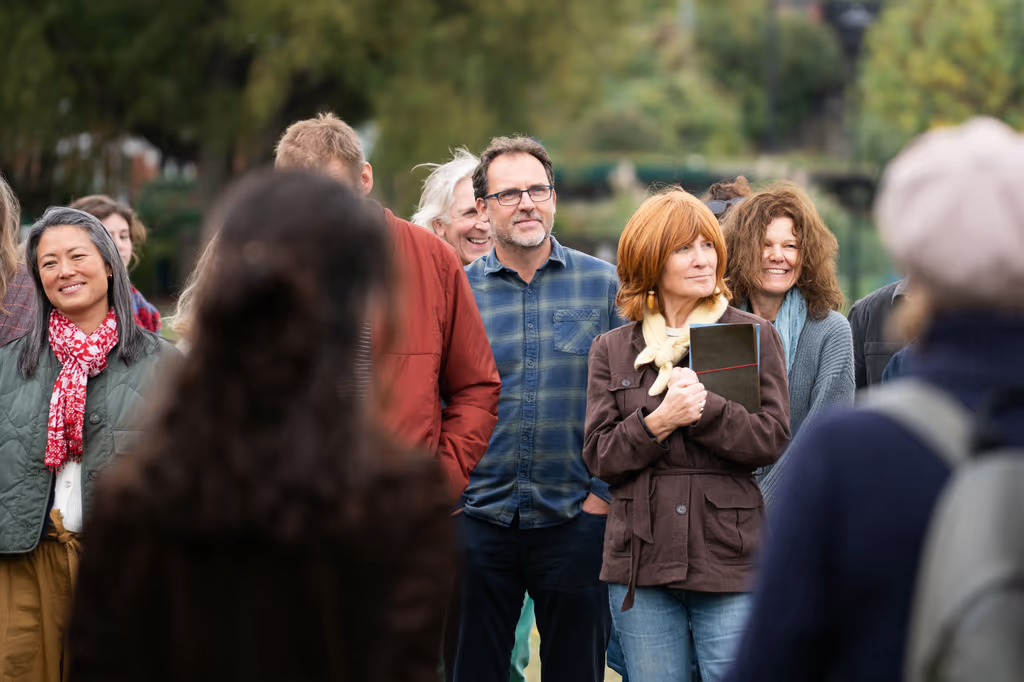
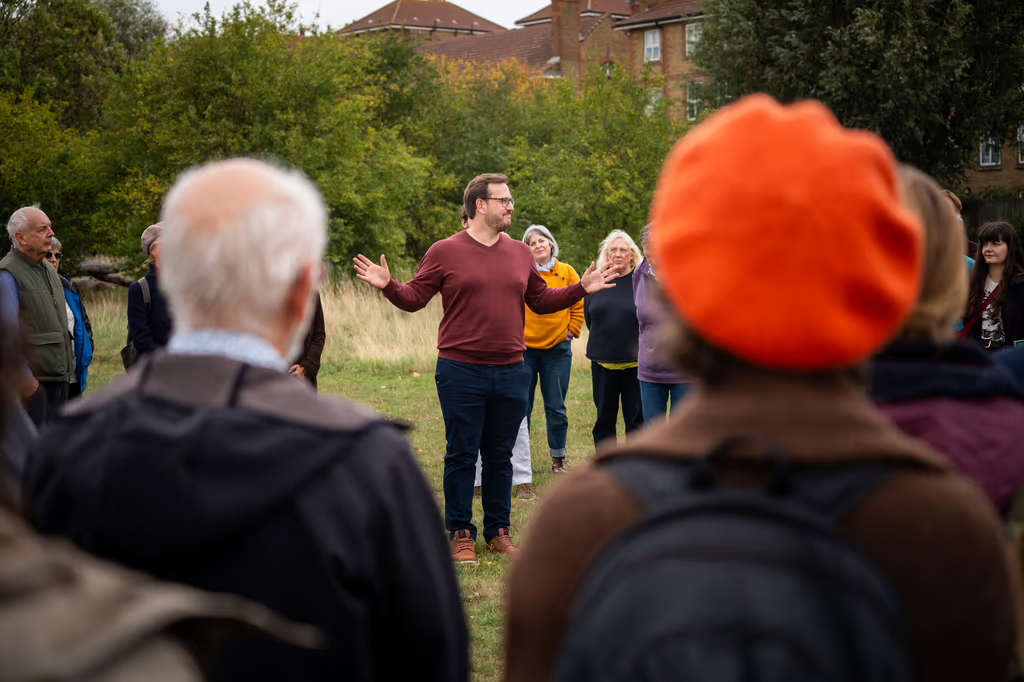
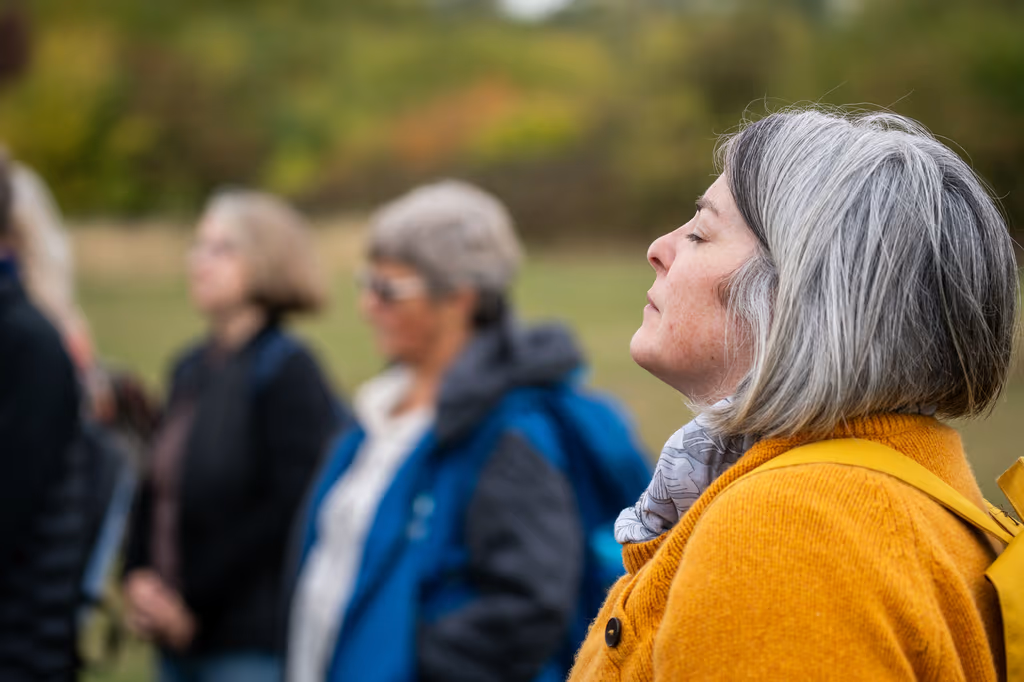
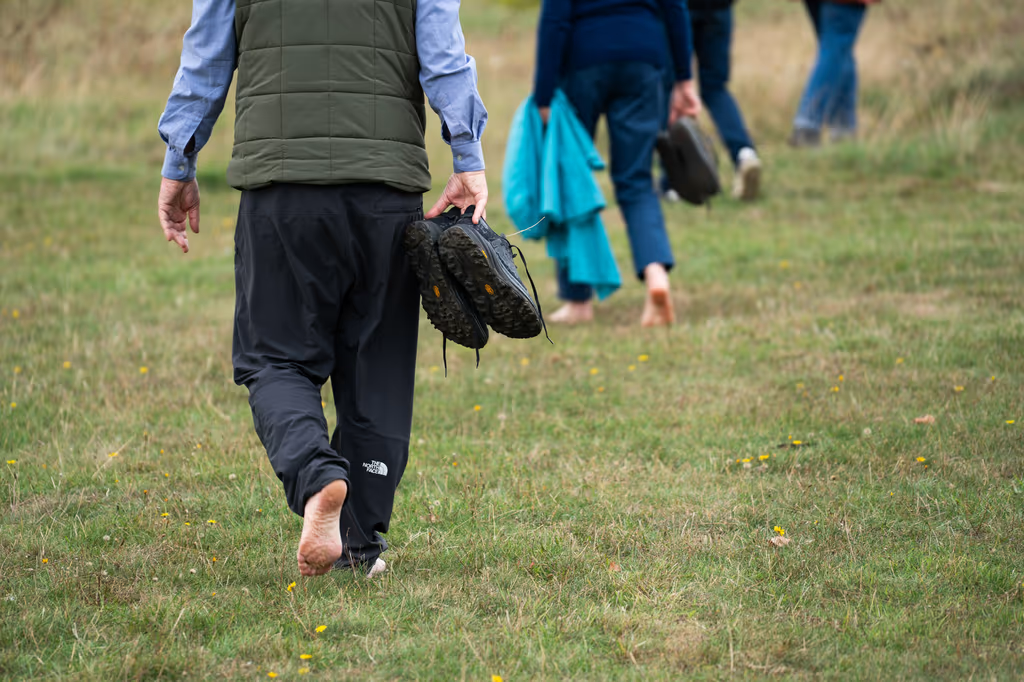
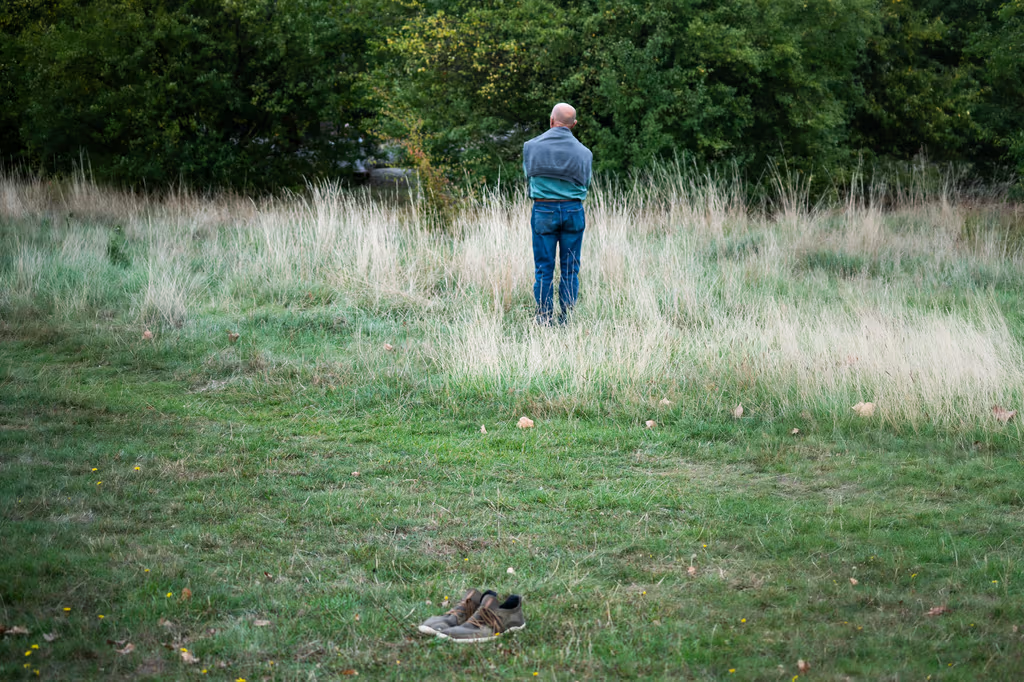
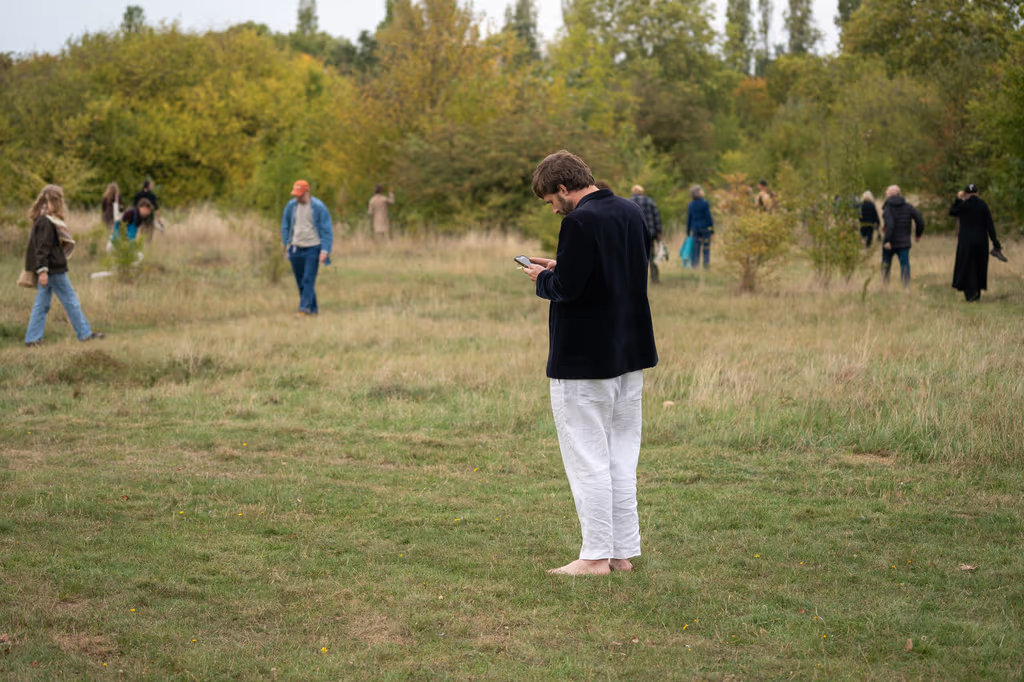
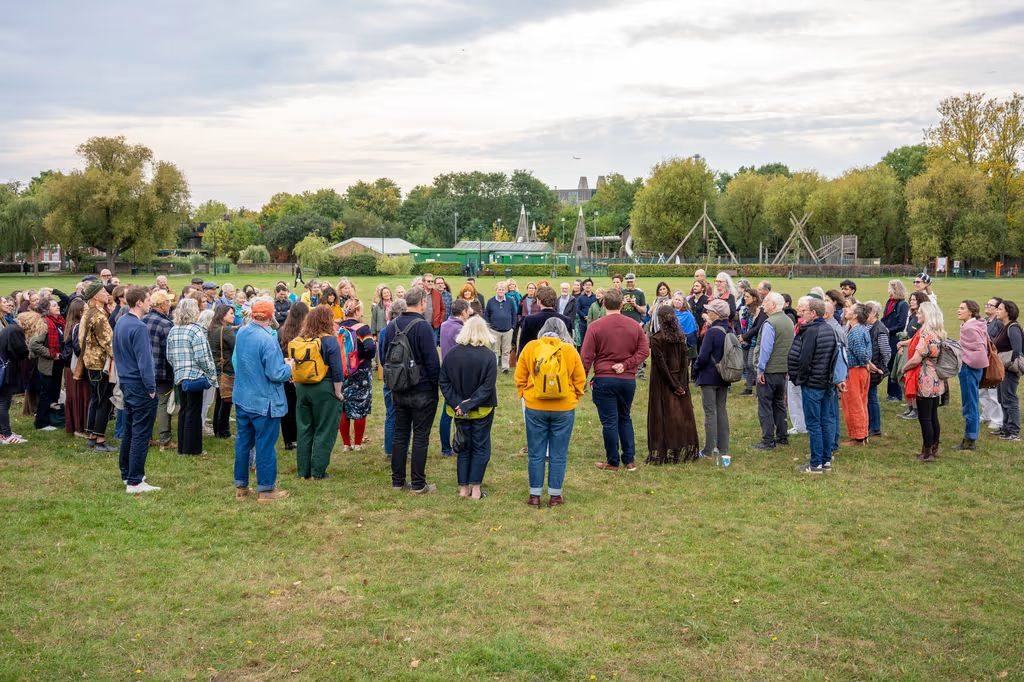
Afterward, the audience joined the speakers for a short pilgrimage to Little Wormwood Scrubs, walking their talk to collect elements of nature to make an altar.
The Panel Discussion Panellists

.svg)




Further reading

.svg)
Comments
0 Comments
Login or register to join the conversation.
Tom Jones
Lorem ipsum dolor sit amet, consectetur adipiscing elit. Suspendisse varius enim in eros elementum tristique. Duis cursus, mi quis viverra ornare, eros dolor interdum nulla, ut commodo diam libero vitae erat. Aenean faucibus nibh et justo cursus id rutrum lorem imperdiet. Nunc ut sem vitae risus tristique posuere.
Tom Jones
Lorem ipsum dolor sit amet, consectetur adipiscing elit. Suspendisse varius enim in eros elementum tristique. Duis cursus, mi quis viverra ornare, eros dolor interdum nulla, ut commodo diam libero vitae erat. Aenean faucibus nibh et justo cursus id rutrum lorem imperdiet. Nunc ut sem vitae risus tristique posuere.