.svg)

The History of Pilgrimage: rediscovering landscape, meaning, and self
02
Oct
,
2025
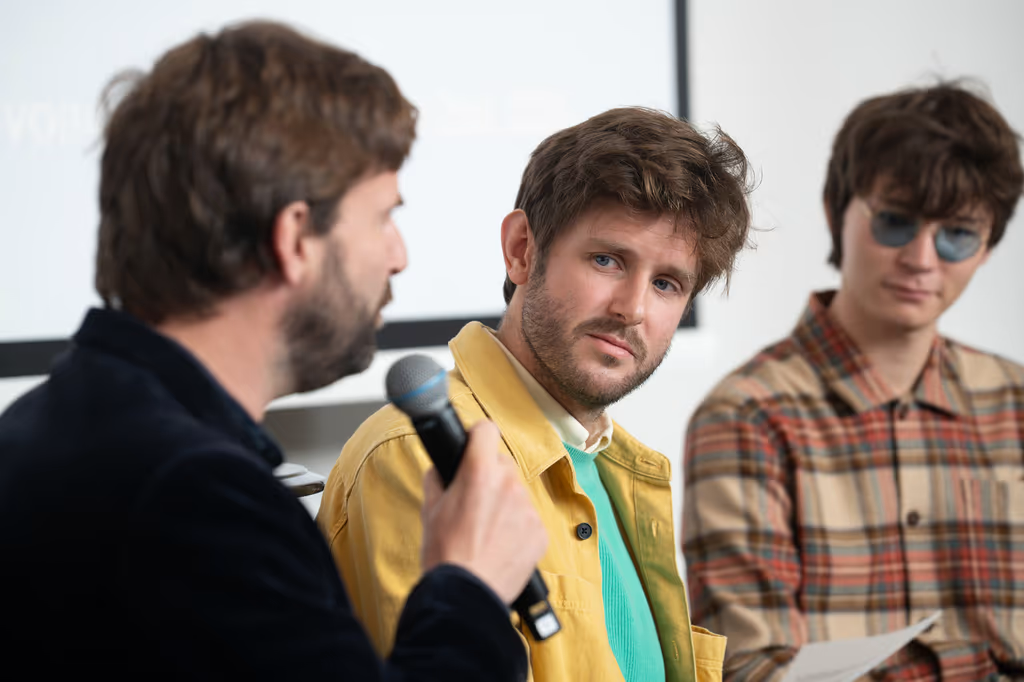


The History of Pilgrimage — panel discussion at the Pilgrimage Gathering 2025
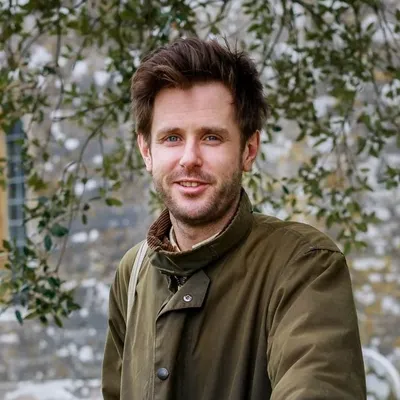
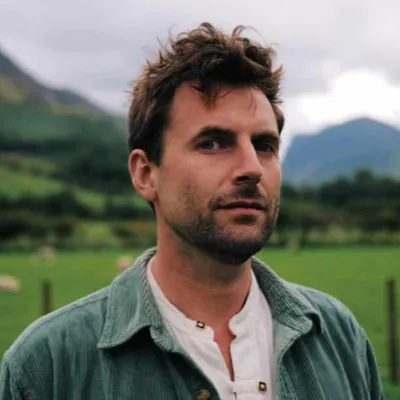
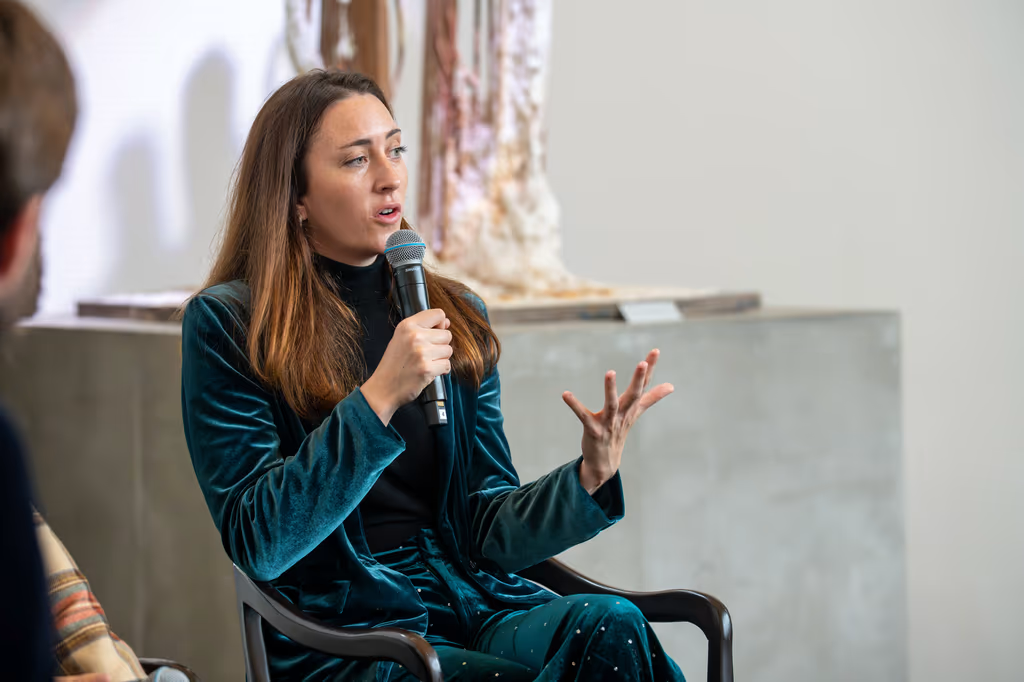
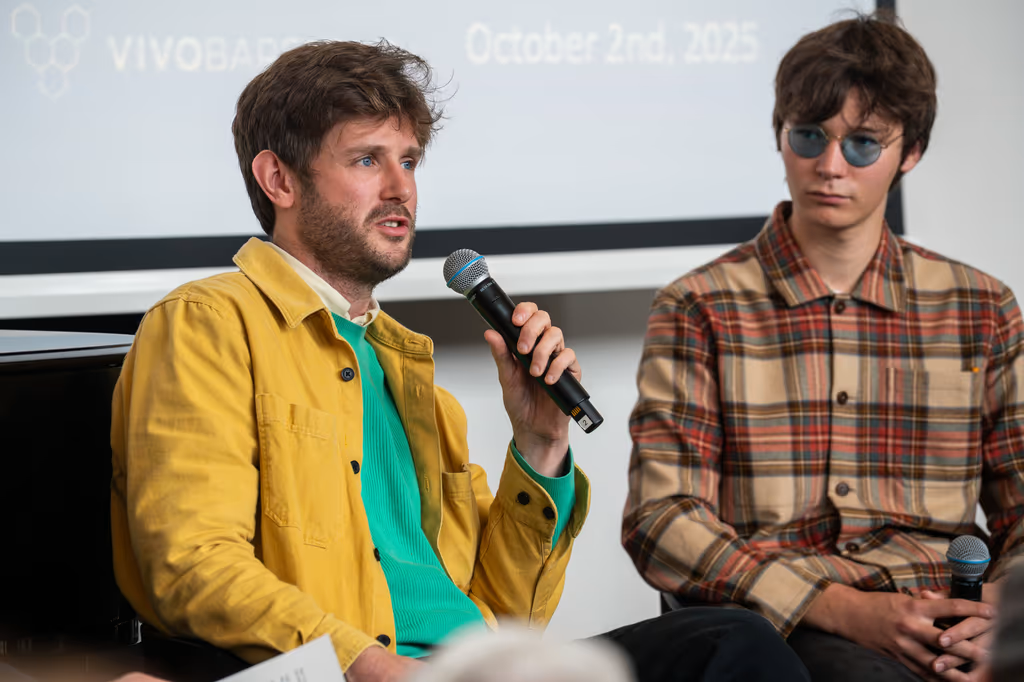
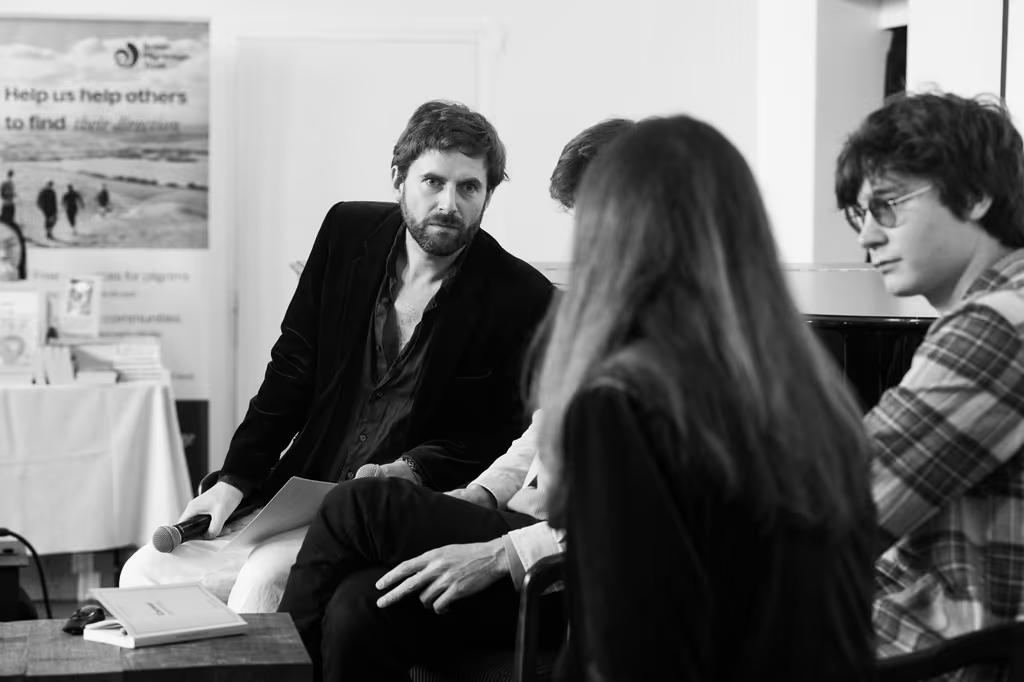
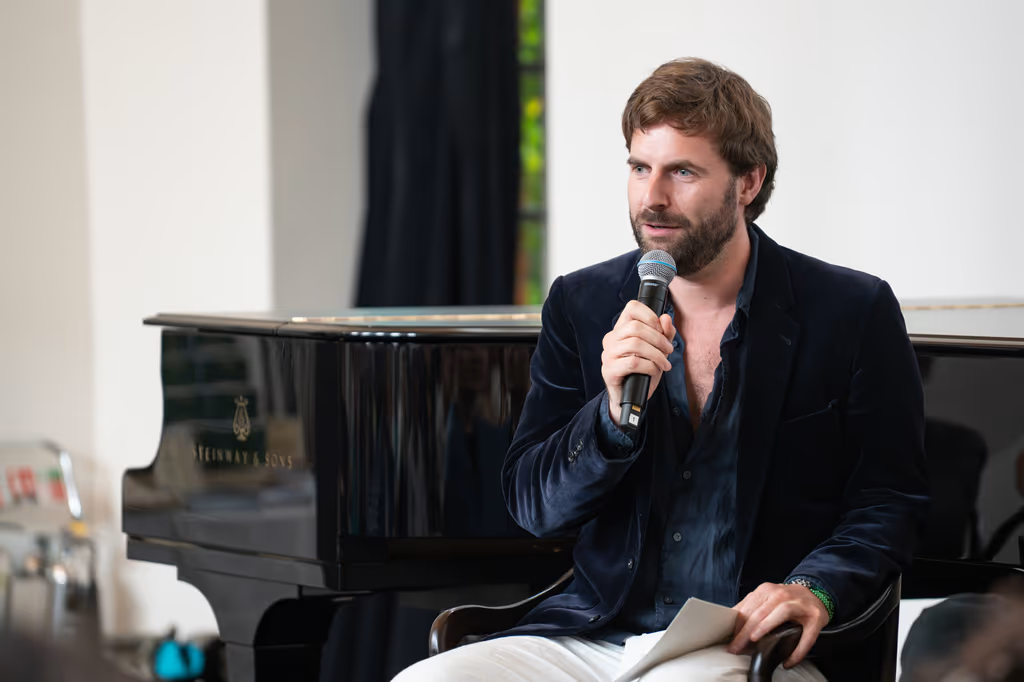
At the opening of the Pilgrimage Gathering 2025, the History of Pilgrimage panel brought together four voices to explore how pilgrimage is being reimagined in modern Britain. Hosted by Guy Hayward, the panel featured historian and author Alice Loxton, architecture historian Daniel Wilson, and bookseller and pilgrimage advocate Luke Sherlock. Through personal reflections, historical insight, and a shared reverence for place, the panel illuminated how walking with intention can connect us to the past, the land, and one another.
This page summarises what the panellist covered, but there is so much more to hear. So we encourage you to watch the full video!
Reawakening a Lost Tradition
Guy opened the session by recalling a formative walk along the River Medway, where singing an old song in its native landscape led to a chance encounter with descendants of the very people the song honoured — read his story of the walk honouring Hartlake Bridge Tragedy.
This walk helped catalyse the founding of the British Pilgrimage Trust. He highlighted the opportunity Britain has: unlike places like Spain, where pilgrimage traditions remained unbroken, Britain’s Reformation-broken pilgrimage tradition offers space for reinvention — one that has the potential to meet the spiritual, emotional, and mental health needs of today.
In Britain, because of the Reformation, we have a broken tradition of pilgrimage, which means that there's a opportunity to reinvent a whole new one. Guy Hayward.
Pilgrimage as Story and Surprise
Each panellist shared personal experiences of pilgrimage of what pilgrimage meant to them. Their experiences shared a common thread — the blurring of boundaries between historical research and interest, personal healing, and spiritual practice.
Alice Loxton, whose new book follows her winter walk along the route of the Eleanor Crosses, traced the funeral route of Queen Eleanor of Castile from Lincoln to Westminster Abbey. What began as a historian’s quest became something more mysterious and sacred. She spoke of discovering a forgotten holy pond along the way —a remnant of a chapel lost to time —and how walking the route—rather than simply writing about it—transformed her understanding of grief, love, and continuity across centuries.
As I walked the path of the Eleanor Crosses, I didn't at first know if it was a pilgrimage; but my eyes were opened to being curious, and the riches to be discovered were even more richer. Alice Loxton
Luke Sherlock recalled walking the Glastonbury Water Way, a pilgrimage that would ultimately lead him not just to Glastonbury, but to a new life. Alongside his partner, they discovered Frome, a town they now call home, and where they opened a bookshop, Sherlock & Pages, specialising in nature, folklore, and pilgrimage writing. Luke described how pilgrimages always open up something new — a truth often revealed not in grand revelations, but in unexpected turns.
In all my experiences of many pilgrimages now is you never know what's going to happen on them, but they always open up some sort of new, new path in your in your life. And I've even been skeptical of that when other people have told me about pilgrimage before, but reflecting back, it's definitely been true. Luke Sherlock
Daniel Wilson shared reflections from his walk along the Way of St David, from Tenby to St David’s in Pembrokeshire. The most surprising moment for Daniel came at the Castle Martin firing range, a site he expected to be barren, but which instead revealed a vast wildflower meadow — a landscape accidentally rewilded after its long history of agriculture and military use. This encounter brought to life the shifting relationship between land, history, and human presence.
The interaction between modern history and medieval history and landscape was really, I think, the most surprising part of my pilgrimage journey. Daniel Wilson
Nature, History, and Sacred Buildings
The conversation naturally turned toward churches and sacred architecture. Luke and Daniel, both passionate about ecclesiastical heritage, emphasised the spiritual and emotional power of historic churches — not only as relics of the past, but as living spaces for contemplation and connection. They referenced their work with Friends of Friendless Churches and the importance of preserving these structures not just as museums, but as places of soul.
Alice added that walking through England’s layered landscape — Roman roads, medieval furrows, forgotten wells — reveals a richness of human and natural history, all waiting to be rediscovered by anyone willing to be curious. Together, the panel asked: can there be a “history of nature” alongside the history of people? And is pilgrimage a way to remember both?
Folklore, Story, and the Power of Not Knowing
As the panel explored the role of storytelling, Alice noted how folklore — even stories that may not be “true” — still hold deep cultural resonance. From the legend of Queen Eleanor sucking poison from Edward I’s wound, to pubs in Stony Stratford claiming to be the origin of the phrase “cock and bull story,” the landscape is alive with tales that shape how we experience place. Luke reflected on the surge of interest in folklore and nature writing — seen in his bookshop — and how this reflects a broader search for meaning in troubled times.
Resistance, Reinvention, and New Paths
One audience member asked: what distinguishes a pilgrimage from a walk? Does it require religion? Can it be an act of resistance?
The panel offered a shared answer: a pilgrimage is what you make it. Your daily walk can become a pilgrimage if you wish. Whether walking to a cathedral or a ancestor’s grave, what matters is intention, presence, and openness to transformation.
Luke referenced the Jarrow March as a form of political pilgrimage. Guy added that new routes are always forming, and the British Pilgrimage Trust embraces both ancient destinations and modern meanings — from Avebury and Stonehenge to pilgrimages that honour personal grief, remembrance, mental wellbeing, and spiritual searching.
From the Deep Past to the Digital Present
While the conversation was rooted in ancient paths, the panel also acknowledged the role of modern tools. All three guests use social media to tell stories, share knowledge, and spark curiosity about history and pilgrimage. While each expressed ambivalence about its effects, they agreed it can be a powerful tool to awaken others to what lies beneath their feet.
Guy reminded the audience in closing that Britain’s cathedrals, holy wells, and forgotten footpaths still have the power to open the heart. And perhaps the essence of pilgrimage is simply this — to step forward, not knowing exactly why, and trust that meaning will emerge.
The Panelists



.svg)






Further reading

.svg)
Comments
0 Comments
Login or register to join the conversation.
Tom Jones
Lorem ipsum dolor sit amet, consectetur adipiscing elit. Suspendisse varius enim in eros elementum tristique. Duis cursus, mi quis viverra ornare, eros dolor interdum nulla, ut commodo diam libero vitae erat. Aenean faucibus nibh et justo cursus id rutrum lorem imperdiet. Nunc ut sem vitae risus tristique posuere.
Tom Jones
Lorem ipsum dolor sit amet, consectetur adipiscing elit. Suspendisse varius enim in eros elementum tristique. Duis cursus, mi quis viverra ornare, eros dolor interdum nulla, ut commodo diam libero vitae erat. Aenean faucibus nibh et justo cursus id rutrum lorem imperdiet. Nunc ut sem vitae risus tristique posuere.