.svg)

Spring Equinox and Ostara: A Time of Balance, Renewal, and Pilgrimage
18
Mar
,
2026
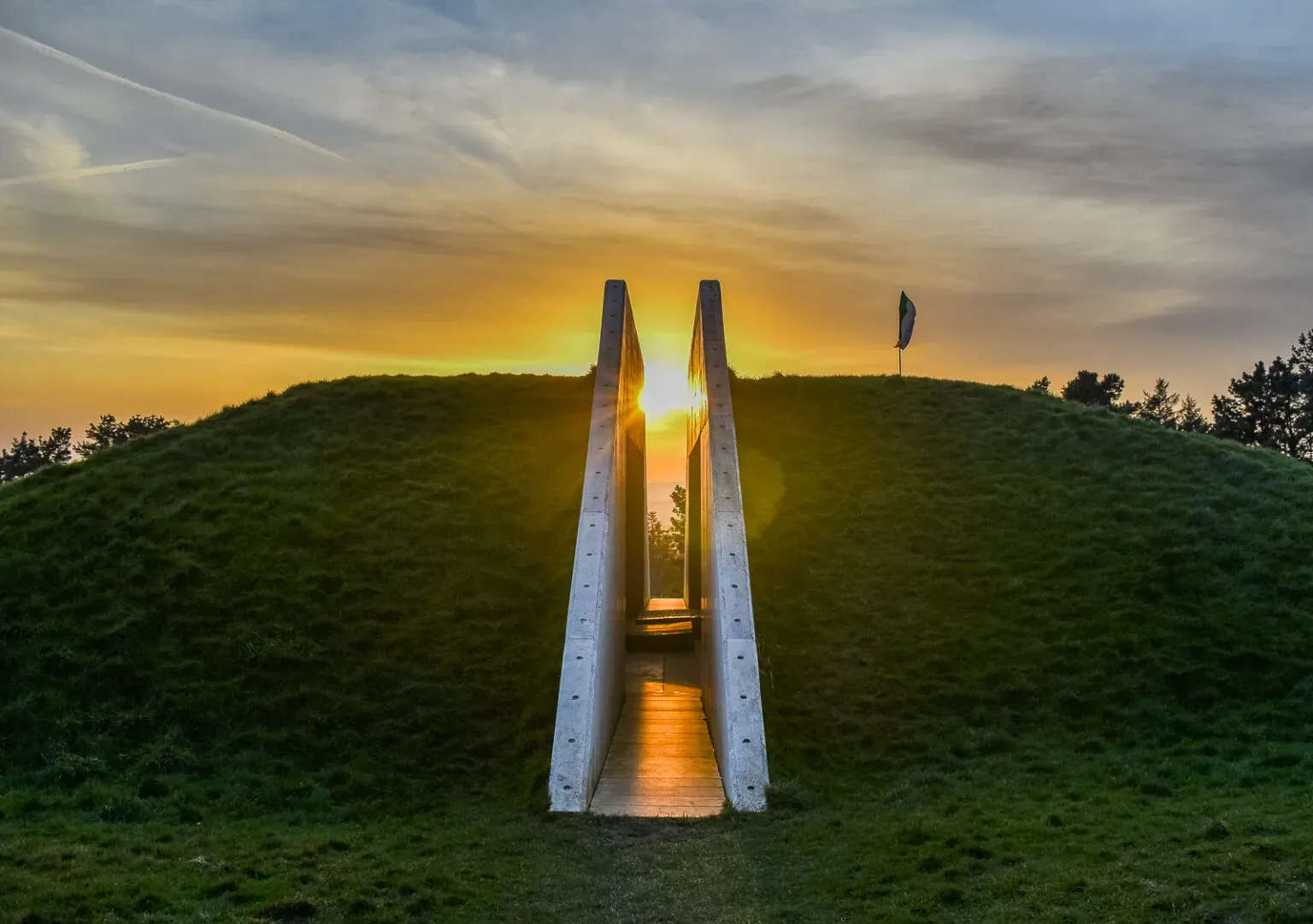


The Spring Equinox, occurring this year at 2.46pm on Friday, 20th March 2026, marks a moment of celestial balance when day and night are nearly equal in length
This astronomical event has been observed and celebrated for millennia, signifying renewal, fertility, and the harmony inherent in nature’s cycles. As we step into spring, it is a time to reflect on balance – within nature, our lives, and the cosmos itself.
Understanding the Equinox
The word ‘equinox’ derives from the Latin aequus (equal) and nox (night), describing the moment when the Earth’s axial tilt places the Sun directly above the equator, with the sun rising exactly due East and setting due West. In ancient Britain, the equinox marked the end of winter’s scarcity and the beginning of a season filled with new growth and opportunity. Agricultural communities relied on this natural turning point, using it as a signal to begin sowing crops.
Ostara is often spoken of today as an ancient festival of the Spring Equinox, associated with dawn, fertility and new life, but historically the picture is more elusive. The name comes primarily from the 8th-century monk Bede, who described a spring month called Eosturmonath, possibly linked to a goddess whose feast was later replaced by Easter. Beyond this brief reference, there is little firm evidence for a widespread pre-Christian festival called Ostara in Britain. What we can say is that the themes now associated with it – light returning, the stirring of life, eggs, hares, and fertility – align closely with the natural rhythms of this time of year. So rather than reconstructing a lost ritual, invoking Ostara today can be understood as a poetic way of naming the emergence of life from the balance point of the equinox.
Ancient British Traditions
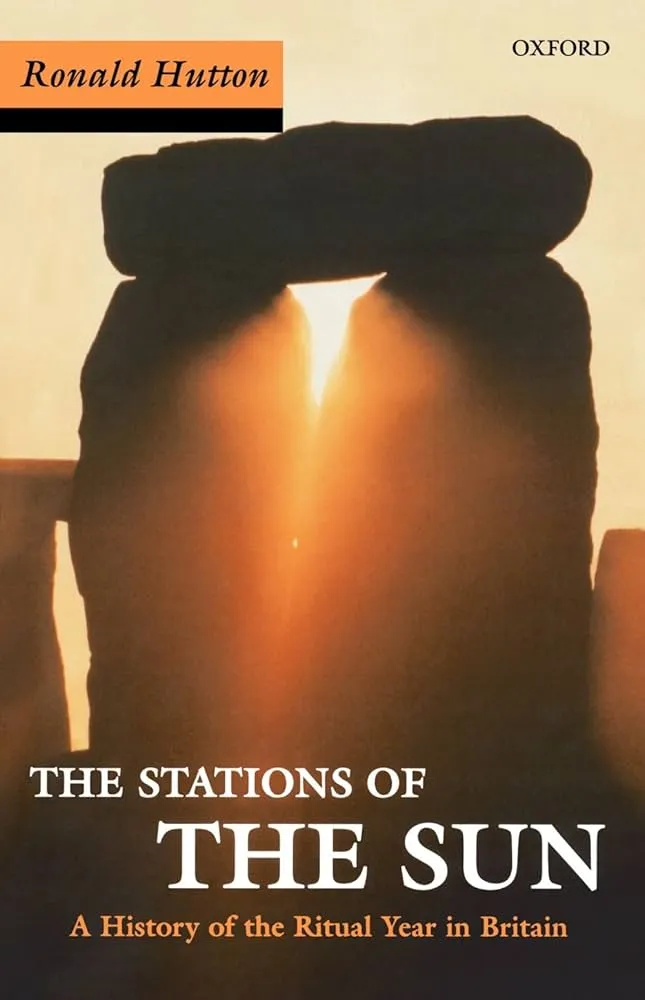
According to historian Ronald Hutton in Stations of the Sun, early Britons celebrated the equinox with feasts, bonfires, and rituals that acknowledged nature’s renewal. Eggs – long associated with fertility – were often part of these celebrations, and ancient stone sites such as Stonehenge and West Kennet Long Barrow are aligned with the movements of the Sun, indicating their importance to our ancestors.
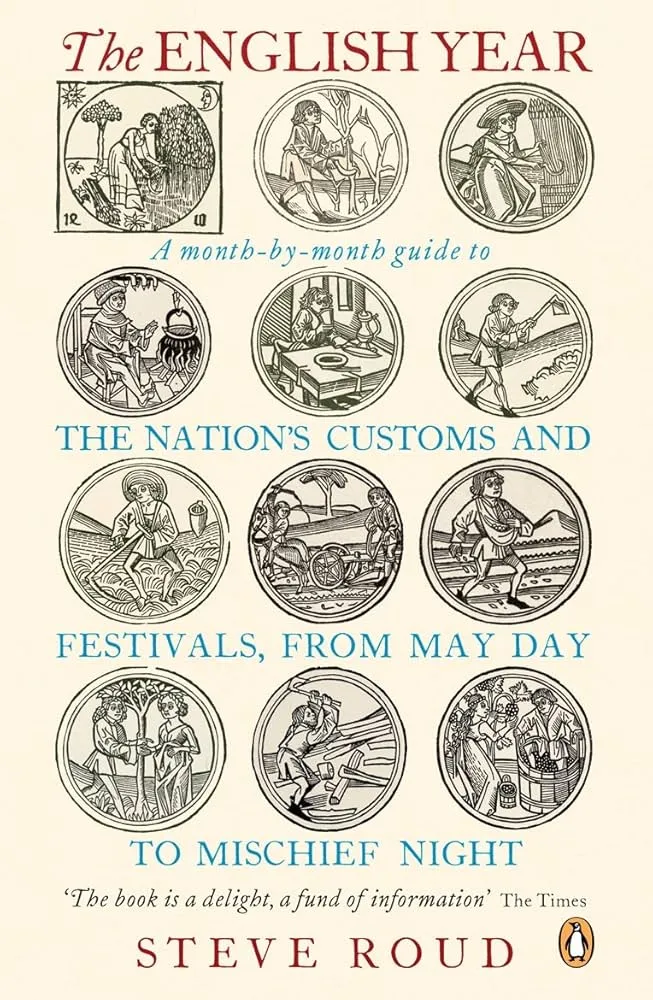
Steve Roud’s The English Year describes how medieval communities observed the shifting seasons with festivities, and while some of these customs have faded, echoes of them persist in modern-day Easter traditions, such as egg rolling and the consumption of hot cross buns.
The Equinox and the Theme of Balance
The equinox is an ideal moment to reflect on balance – not just in nature but in our own lives. This period reminds us of the delicate interplay between light and darkness, work and rest, action and contemplation.
In the spiritual landscape of Britain, the balance of energies is often represented by the interplay of the sacred masculine and feminine. The ley lines known as the Mary and Michael lines, believed to traverse the country’s sacred sites, represent this duality. The equinox, when these energies are said to be in harmony, offers an opportunity for pilgrims to connect with this equilibrium on the land itself. The Mary & Michael Pilgrims' Way follows these ley lines.
St Cuthbert, one of Britain’s most revered saints, has a poignant connection to the Spring Equinox, as it is his feast day, but also through his deep friendship with St Herbert of Derwentwater. These two holy men, bound by their shared devotion and solitary lives of prayer, famously prayed that they might die on the same day, and their wish was granted. On 20th March, the traditional date of the Spring Equinox, St Cuthbert passed away in 687 AD, followed shortly by St Herbert. For pilgrims, the islands of Lindisfarne and St Herbert’s Island in Derwentwater remain powerful places of reflection on the cycles of life, death, and sacred friendship.
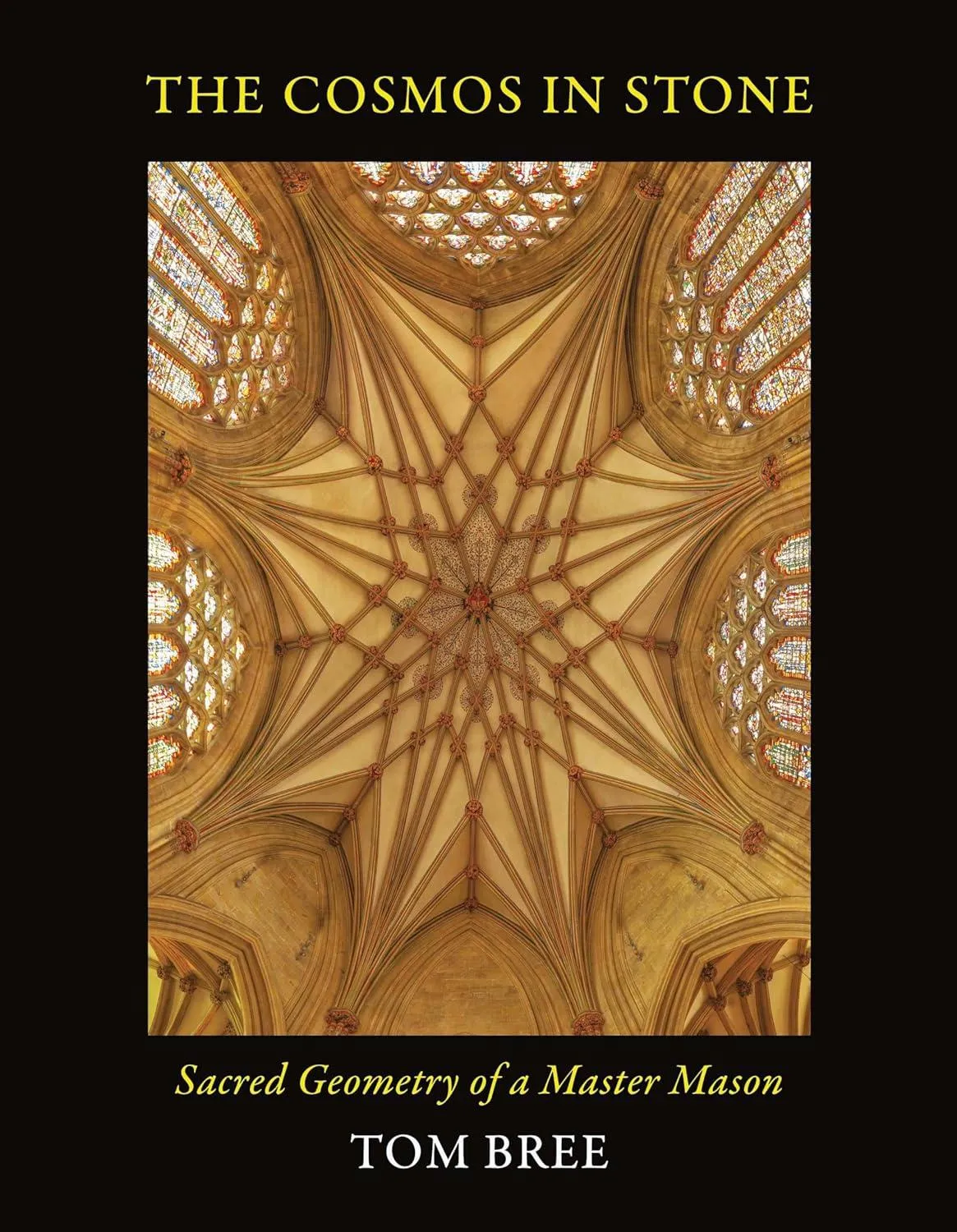
Last year’s 2025 equinox was followed by a remarkable alignment, as pointed out by Tom Bree. After the half Moon on 22nd March, Venus (representing love) reached its inferior solar conjunction on 23rd March, followed by Mercury (representing wisdom) on 24th March. This planetary alignment culminated with the Feast of the Annunciation on 25th March, a Christian celebration of divine conception, as Christmas Day is 9 months of pregnancy after the equinox.
Ways to Celebrate the Equinox
There are many ways to honour the Spring Equinox, from traditional festivities to modern practices that encourage mindfulness and renewal:
- Pilgrimage and Sacred Journeys: Walking through the awakening landscape is a profound way to connect with the energy of spring. British pilgrimage routes such as St Cuthbert's Way, the Fife Pilgrim’s Way, the Wexford Pilgrimage Way (which passes Oulart Hill, in Ireland, aligned with the equinox), and the Teifi River Pilgrimage offer immersion in seasonal beauty and ancient spiritual traditions.
- Observing Nature’s Signals: Spring’s progress is gradual, moving northwards at a pilgrim’s pace. Hazel catkins, blackthorn blossom, primroses and Wordsworth’s beloved lesser celandine herald the season’s return. Taking time to notice these signs deepens our connection to the land.
- Egg Symbolism and Feasts: Decorating and gifting eggs, or incorporating them into meals, continues an ancient tradition of celebrating fertility and new life. Hosting a seasonal feast with locally foraged greens and herbs echoes ancestral equinox gatherings.
- Planting Seeds: Both a literal and symbolic act, sowing seeds at this time aligns with the agricultural traditions of the equinox and invites reflection on personal intentions for growth.
- Meditation and Rituals: Practising mindfulness, balancing energy through yoga, or creating personal rituals to honour the changing season can foster inner equilibrium, mirroring the outer world’s transition.
The modern “bring your own beliefs” pilgrimage movement reflects the equinox’s theme of balance by offering a space for all perspectives to co-exist.
The Spring Equinox is a time of balance, renewal, and reconnection—with nature, with our own sense of purpose, and with the wider cosmos. Through pilgrimage, seasonal traditions, and mindful observation of both the Earth and the heavens, we can honour this sacred turning point in ways both ancient and deeply personal. Whether walking an ancient path, planting new seeds, or simply watching the sunrise, we align ourselves with the timeless rhythm of the seasons, finding our place within the greater dance of balance and renewal.

Further reading

.svg)
Comments
0 Comments
Login or register to join the conversation.
Tom Jones
Lorem ipsum dolor sit amet, consectetur adipiscing elit. Suspendisse varius enim in eros elementum tristique. Duis cursus, mi quis viverra ornare, eros dolor interdum nulla, ut commodo diam libero vitae erat. Aenean faucibus nibh et justo cursus id rutrum lorem imperdiet. Nunc ut sem vitae risus tristique posuere.
Tom Jones
Lorem ipsum dolor sit amet, consectetur adipiscing elit. Suspendisse varius enim in eros elementum tristique. Duis cursus, mi quis viverra ornare, eros dolor interdum nulla, ut commodo diam libero vitae erat. Aenean faucibus nibh et justo cursus id rutrum lorem imperdiet. Nunc ut sem vitae risus tristique posuere.